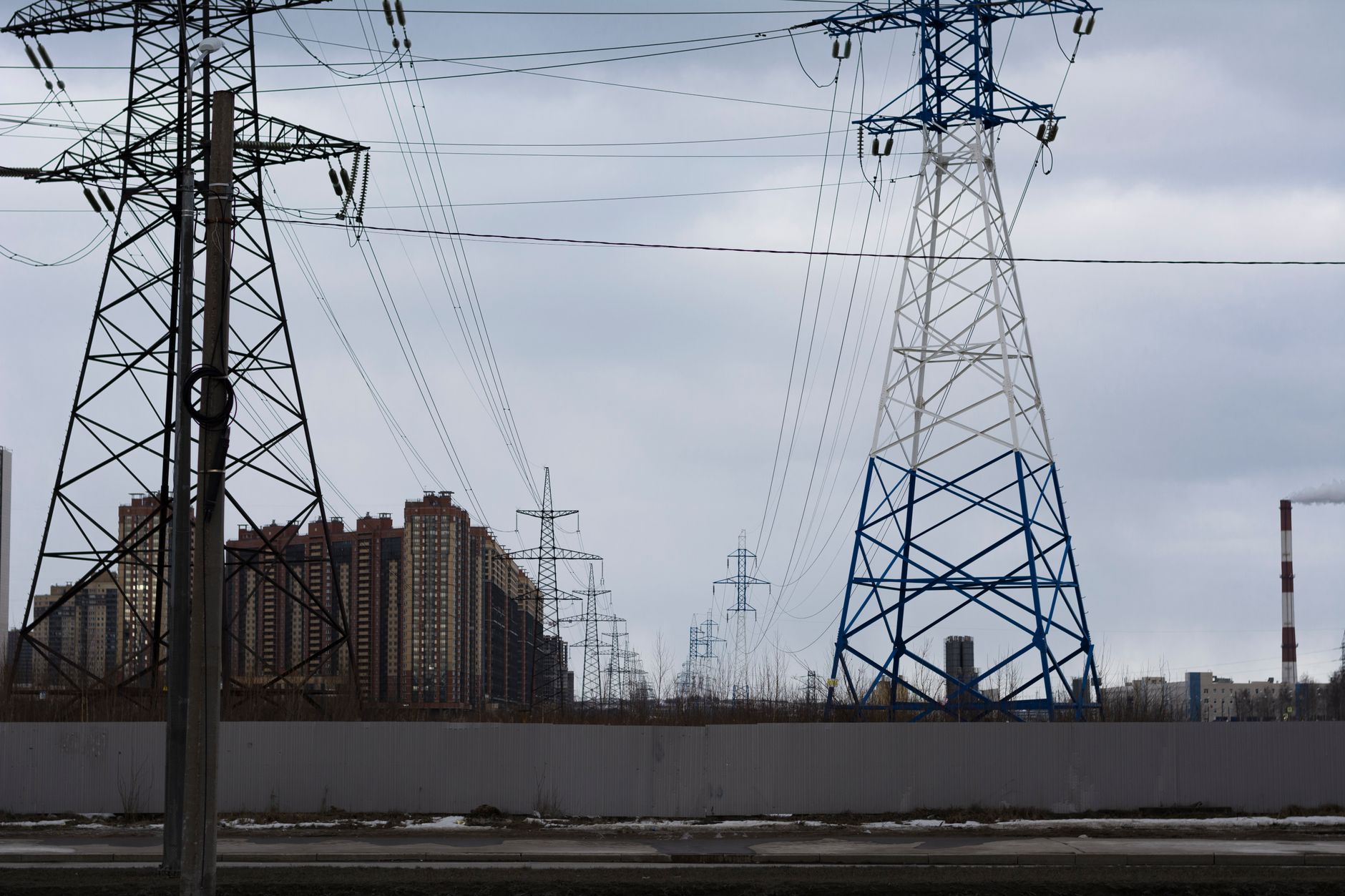
What is Smart Grid Technology? Your Guide to Energy's Future
smart grid technology

What is Smart Grid Technology? Your Guide to Energy's Future

Explore how smart grid technology is transforming traditional power systems into intelligent, resilient, and efficient networks.

Learn More Today

Key Takeaways

  • ✓ Smart grids integrate digital communication technology with the electrical grid.
  • ✓ They enable two-way communication between utilities and consumers.
  • ✓ Smart grids enhance grid reliability, efficiency, and sustainability.
  • ✓ Key components include smart meters, sensors, and advanced control systems.

How It Works

1
Generation & Transmission

Smart grids integrate diverse energy sources, including renewables, and optimize power flow across vast transmission networks. They use advanced sensors to monitor conditions and prevent outages.

2
Distribution & Monitoring

Within local communities, intelligent devices monitor power lines and transformers in real-time. This allows for rapid identification and isolation of faults, minimizing service disruptions.

3
Consumption & Feedback

Smart meters at homes and businesses provide real-time energy usage data to both consumers and utilities. This enables dynamic pricing, demand response programs, and better energy management.

4
Optimization & Resilience

Data from across the entire grid is analyzed to predict demand, manage supply, and reroute power during emergencies. This creates a self-healing, more resilient energy infrastructure.

Understanding the Fundamentals of Smart Grid Technology
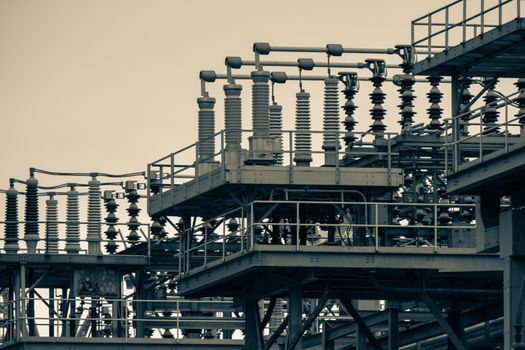
Detailed view of an industrial power station structure in New York City. Photo: _ Whittington / Pexels
To truly grasp what is smart grid technology, it's essential to understand its foundational principles and how it departs from the traditional electrical grid. For over a century, our power infrastructure operated on a one-way street: electricity flowed from centralized power plants to consumers. This 'dumb' grid was largely reactive, with limited real-time insight into demand fluctuations or fault locations. Enter the smart grid – a revolutionary upgrade that integrates advanced digital communication, information technology, and automation into every aspect of the electricity delivery system. It transforms the passive, analog grid into an active, intelligent, and interactive network. At its core, a smart grid is characterized by two-way communication. Unlike the old system where utilities pushed power and hoped for the best, a smart grid allows for constant data exchange between utilities, power generators, and consumers. This continuous feedback loop is crucial for optimizing energy flow, managing demand, and responding swiftly to changing conditions. Imagine sensors placed throughout the grid, from generation facilities to individual homes, constantly reporting data on voltage, current, temperature, and usage patterns. This deluge of information, processed by sophisticated algorithms, enables unprecedented levels of control and efficiency. It means utilities can detect outages almost instantaneously, pinpoint their exact location, and even reroute power around affected areas to restore service faster. It also empowers consumers with detailed information about their energy consumption, allowing them to make informed decisions about how and when they use electricity. This shift from a centralized, top-down model to a distributed, interactive one is not just an incremental improvement; it's a fundamental paradigm shift that promises a more reliable, efficient, and sustainable energy future for everyone. Understanding these basic elements is the first step in appreciating the profound impact of this technology on our daily lives and the broader energy landscape. It's about building an energy system that is not just robust, but also adaptable and intelligent, ready to meet the challenges of the 21st century and beyond. The integration of renewable energy sources, for instance, becomes significantly more manageable with a smart grid, as it can dynamically adjust to the intermittent nature of solar and wind power. Learn more about renewable energy integration.

Key Components and Architecture of a Smart Grid System
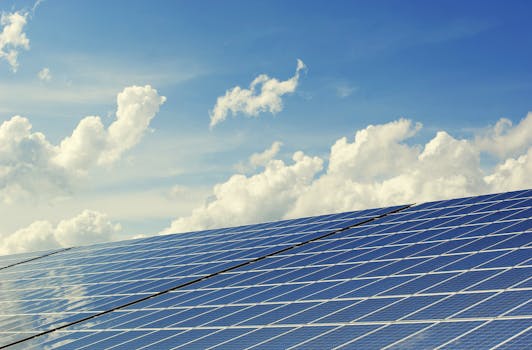
Sleek modern solar panels under a vibrant blue sky with clouds, symbolizing clean energy. Photo: Pixabay / Pexels
Delving deeper into what is smart grid technology requires an exploration of its intricate components and overarching architecture. It's not a single device but a complex ecosystem of interconnected technologies working in harmony. The foundational elements can be broadly categorized into: 1. **Smart Meters (Advanced Metering Infrastructure - AMI):** These are perhaps the most visible components to the average consumer. Unlike traditional analog meters, smart meters record electricity consumption in much greater detail (e.g., every 15 minutes) and can communicate this data wirelessly back to the utility. They also allow for remote meter reading, connection/disconnection, and enable time-of-use pricing, incentivizing consumers to shift demand away from peak hours. 2. **Sensors and Monitoring Devices:** Thousands of sensors are deployed across the entire grid—from substations and transmission lines to distribution feeders. These devices collect real-time data on voltage levels, current flow, temperature, and other operational parameters. This continuous monitoring is vital for detecting anomalies, predicting equipment failures, and ensuring optimal performance. 3. **Advanced Distribution Automation (ADA):** This involves intelligent switches, reclosers, and fault detectors that can automatically isolate faulty sections of the grid and reroute power to restore service to unaffected areas. This 'self-healing' capability significantly reduces outage durations and improves grid resilience. 4. **Advanced Transmission Systems:** High-voltage transmission lines are equipped with sensors and advanced control systems to monitor power flow, prevent congestion, and optimize the use of existing infrastructure. Technologies like Flexible AC Transmission Systems (FACTS) enhance the stability and capacity of the transmission network. 5. **Integrated Communications Network:** A robust, secure, and high-speed communication infrastructure is the backbone of the smart grid. It allows all components to talk to each other, transmitting vast amounts of data in real-time. This can include fiber optics, wireless technologies (cellular, Wi-Fi, mesh networks), and power line communication (PLC). 6. **Data Analytics and Control Systems:** At the heart of the smart grid lies sophisticated software that collects, processes, and analyzes the enormous volume of data generated by the grid. Energy Management Systems (EMS) and Distribution Management Systems (DMS) use this data to make informed operational decisions, predict demand, manage distributed energy resources (like rooftop solar), and enhance overall grid efficiency and stability. These systems can even integrate weather data and historical patterns to anticipate future energy needs and potential stresses on the grid. Without these advanced analytics, the raw data would be meaningless; it's the intelligent processing that unlocks the grid's 'smart' capabilities. These components collectively create a dynamic, responsive, and robust energy delivery system, far superior to its predecessor. This comprehensive architecture is what truly defines the advanced capabilities of modern smart grid technology.

Benefits and Challenges of Smart Grid Implementation in the US
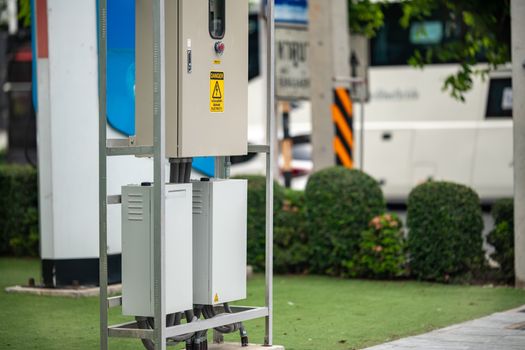
Modern electric vehicle charging station with greenery in an urban setting. Photo: panumas nikhomkhai / Pexels
The implementation of what is smart grid technology across the United States promises a multitude of benefits, transforming how we generate, deliver, and consume electricity. However, this transformative journey is not without its significant challenges. **Key Benefits:** * **Enhanced Reliability and Resiliency:** Smart grids can detect and isolate faults automatically, reducing outage times and preventing cascading failures. Their ability to reroute power around damaged sections makes the grid more resilient to extreme weather events, cyberattacks, and physical threats. * **Increased Efficiency:** By optimizing power flow, reducing transmission and distribution losses, and enabling demand-side management, smart grids significantly improve overall energy efficiency. This means less wasted energy and lower operational costs for utilities. * **Integration of Renewable Energy:** One of the most crucial benefits is the smart grid's ability to seamlessly integrate intermittent renewable energy sources like solar and wind power. It can manage their variable output, balance supply and demand, and ensure grid stability, paving the way for a cleaner energy future. * **Consumer Empowerment:** Smart meters and associated platforms provide consumers with real-time data on their energy usage, allowing them to monitor consumption, identify energy-saving opportunities, and participate in demand response programs that offer incentives for reducing usage during peak times. This leads to lower energy bills and greater control. * **Economic Opportunities:** The development and deployment of smart grid technologies stimulate innovation, create new jobs, and attract investments in advanced manufacturing and technology sectors. **Significant Challenges:** * **High Initial Costs:** Modernizing an entire national grid is an enormous undertaking, requiring substantial capital investment in new hardware, software, and infrastructure. The cost of replacing millions of meters and upgrading countless substations is staggering, and utilities must justify these expenditures to regulators and customers. * **Cybersecurity Risks:** A highly interconnected and data-rich smart grid presents a larger attack surface for cyber threats. Protecting critical infrastructure from sophisticated hackers is paramount, requiring continuous investment in robust cybersecurity measures and protocols. * **Data Privacy Concerns:** With smart meters collecting detailed energy consumption data, there are legitimate concerns about data privacy. Ensuring that this sensitive information is secure and used ethically, without infringing on consumer privacy, is a critical challenge that requires strong regulatory frameworks. * **Interoperability and Standardization:** Different manufacturers and regions may adopt varying technologies and communication protocols. Ensuring that all these disparate systems can seamlessly communicate and integrate is a complex challenge requiring industry-wide standardization efforts. * **Public Acceptance and Education:** Consumers need to understand the benefits of smart grid technologies to embrace them fully. Overcoming skepticism, addressing privacy concerns, and explaining new pricing structures or demand response programs requires significant public education and outreach efforts. Without broad public acceptance, the full potential of the smart grid cannot be realized. Explore how policies are shaping energy infrastructure. * **Regulatory Hurdles:** The existing regulatory framework for utilities often lags behind technological advancements. Adapting these regulations to support smart grid investments, ensure fair cost recovery, and incentivize innovation is a continuous process that can be slow and complex. Balancing the interests of utilities, consumers, and environmental goals within the regulatory structure is a delicate act. Addressing these challenges effectively will be crucial for the successful and widespread adoption of smart grid technology across the US, ensuring that its promised benefits are fully realized for future generations.

Future Outlook: Innovations and Trends in Smart Grid Technology
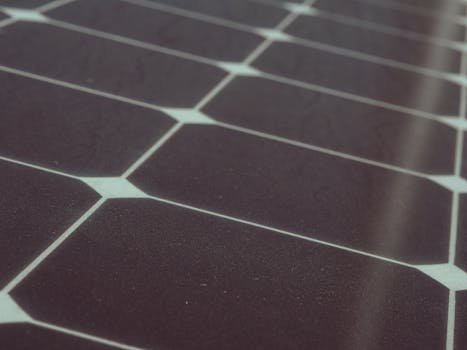
Detailed view of solar panel cells for alternative energy generation and innovation in technology. Photo: Kindel Media / Pexels
The evolution of what is smart grid technology is far from over; it is a dynamic field constantly adapting to new energy demands, technological advancements, and environmental imperatives. Looking ahead, several key innovations and trends are poised to shape the future of smart grids, making them even more intelligent, resilient, and integrated. 1. **Increased Integration of Distributed Energy Resources (DERs):** The future grid will see a proliferation of DERs, including rooftop solar, electric vehicles (EVs), battery storage systems, and even smart appliances. Smart grids will evolve to manage these diverse, decentralized energy sources more effectively, enabling peer-to-peer energy trading and creating 'microgrids' that can operate independently during grid outages. This distributed architecture enhances resilience and offers more localized energy solutions. 2. **Artificial Intelligence (AI) and Machine Learning (ML):** AI and ML algorithms will play an increasingly critical role in smart grid operations. They will be used for predictive maintenance, forecasting energy demand and supply with greater accuracy, optimizing grid performance in real-time, and identifying potential vulnerabilities or anomalies. AI can analyze vast datasets to uncover patterns that human operators might miss, leading to more proactive and efficient grid management. 3. **Enhanced Cybersecurity Measures:** As the grid becomes more digitized and interconnected, cybersecurity will remain a top priority. Future smart grids will incorporate advanced encryption, blockchain technology for secure transactions, and AI-driven threat detection systems to protect against increasingly sophisticated cyberattacks. Continuous innovation in this area is non-negotiable for maintaining grid integrity and public trust. 4. **Vehicle-to-Grid (V2G) Technology:** The rise of electric vehicles presents both a challenge and an opportunity. V2G technology allows EVs to not only draw power from the grid but also feed stored energy back into it during peak demand or emergencies. Smart grids will be instrumental in managing this bidirectional flow, turning millions of EVs into mobile energy storage units that can help stabilize the grid. 5. **Advanced Sensors and Internet of Things (IoT):** The deployment of even more sophisticated sensors and IoT devices will provide granular data from every corner of the grid. This will include advanced weather sensors, smart streetlights, and environmental monitors, all contributing to a comprehensive real-time picture of grid conditions and potential impacts. 6. **Energy Storage Solutions:** Beyond just managing distributed generation, the smart grid will increasingly integrate utility-scale and residential energy storage systems. These batteries and other storage technologies will help balance intermittent renewables, provide backup power, and offer ancillary services to the grid, enhancing stability and flexibility. 7. **Digital Twins and Predictive Analytics:** Utilities are beginning to create 'digital twins' – virtual replicas of the physical grid – that can simulate various scenarios and predict how the grid will respond. This allows for proactive planning, testing new strategies, and optimizing operations without impacting the live system. This kind of predictive analytics is a game-changer for grid reliability and efficiency. These trends indicate a future where the smart grid is not just an electricity delivery system but a complex, self-aware, and highly adaptive energy network that can dynamically respond to a wide range of conditions, ensuring a sustainable, reliable, and efficient energy future for all.

Comparison

FeatureSmart GridTraditional GridMicrogrid (Standalone)
CommunicationTwo-way, real-timeOne-way, limitedInternal, localized
Fault DetectionAutomatic, self-healingManual, reactiveAutomatic, isolated
Renewable IntegrationExcellent, dynamicChallenging, limitedDesigned for, primary
EfficiencyHigh, optimizedLower, staticHigh, localized
ResilienceHigh, adaptiveLower, vulnerableExcellent, independent
Consumer EngagementHigh, demand responseLow, fixed ratesHigh, community-focused

What Readers Say

"Since our utility implemented smart grid technology, I've noticed fewer power outages, and when they do happen, they're resolved much faster. It's a noticeable improvement in service reliability."

Sarah J. · Austin, TX

"The smart meter data allows me to track my energy use hour-by-hour. I've adjusted my habits and saved a significant amount on my electric bill thanks to understanding peak times."

Mark D. · Phoenix, AZ

"Our community's participation in the demand response program, made possible by smart grid tech, has truly reduced our collective energy footprint. It feels good to be part of a more efficient system."

Elena R. · Denver, CO

"While the smart grid has definitely improved reliability, the initial transition had a few hiccups with data access. However, the current system is much more stable and user-friendly now."

John K. · Seattle, WA

"As a solar panel owner, the smart grid's ability to integrate my system and manage excess energy is fantastic. It makes renewable energy much more viable and efficient for homeowners."

David P. · Miami, FL

Frequently Asked Questions

What is smart grid technology and how does it differ from the traditional grid?

Smart grid technology integrates digital communication and advanced computing into the electrical grid, enabling two-way communication and real-time data exchange. This differs from the traditional grid, which operates on a one-way flow of electricity with limited monitoring and no real-time feedback from consumers. The smart grid is proactive, self-healing, and far more efficient and resilient.

Are smart grids vulnerable to cyberattacks?

While any interconnected digital system carries some risk, smart grid developers and operators invest heavily in robust cybersecurity measures. These include advanced encryption, intrusion detection systems, and continuous monitoring to protect against cyber threats and ensure the grid's integrity and reliability. Security is a paramount concern and constantly being updated.

How can I, as a consumer, benefit from smart grid technology?

As a consumer, you can benefit through increased reliability (fewer and shorter outages), greater control over your energy usage via smart meters and online portals, and potential cost savings through demand response programs and time-of-use rates. You'll also be part of a more environmentally friendly and resilient energy system.

What are the costs associated with implementing smart grid technology?

Implementing smart grid technology involves significant upfront costs for infrastructure upgrades, new hardware (like smart meters), software, and cybersecurity. These costs are typically borne by utilities and may be reflected in electricity rates over time, but they are offset by long-term benefits such as reduced operational expenses, improved efficiency, and enhanced reliability, which ultimately benefit consumers.

How does smart grid technology help integrate renewable energy sources?

Smart grid technology is crucial for integrating intermittent renewable energy sources like solar and wind power. It uses advanced forecasting, real-time monitoring, and dynamic control systems to balance their variable output with demand, ensuring grid stability. It also facilitates the connection of distributed renewables, like rooftop solar, into the broader energy network.

Who should be concerned about smart grid technology?

Everyone who uses electricity should be aware of smart grid technology, as it impacts energy reliability, cost, and sustainability. Policymakers, utility companies, energy consumers, and technology developers are all key stakeholders who should actively engage with its development and implications for the future of energy.

Are there any health risks associated with smart grid technology?

Concerns about potential health risks, particularly from electromagnetic fields (EMF) emitted by smart meters, have been widely investigated. Reputable scientific bodies, including the World Health Organization and the FCC, have concluded that smart meters emit RF fields well below established safety limits and do not pose a known public health risk.

What is the future outlook for smart grid technology in the US?

The future outlook for smart grid technology in the US is bright, with continued advancements in AI, machine learning, and IoT integration. We can expect greater incorporation of distributed energy resources, vehicle-to-grid technology, and enhanced resilience against climate impacts, leading to a more dynamic, sustainable, and reliable energy infrastructure.

Understanding what is smart grid technology is key to appreciating the future of energy. Explore how these intelligent systems are building a more reliable, efficient, and sustainable power infrastructure for your home and community. Dive deeper into the specifics and see how you can benefit from this energy revolution.

Topics: smart grid technologyenergy grid modernizationsmart grid benefitssmart grid componentsfuture of energy
Leo List

IE Escorts NO Escorts US Escorts NZ Escorts AU Escorts
Brampton weed
Adultwork EstrelaBet Vai de Bet R7 Bet Betão Galera Bet Rainbet Bet9ja Shop SportyBet BetKing Sisal Loto Foot Hollywoodbets YesPlay Odibets RushBet Jugabet BetWarrior BetCity MSport betPawa Fortebet