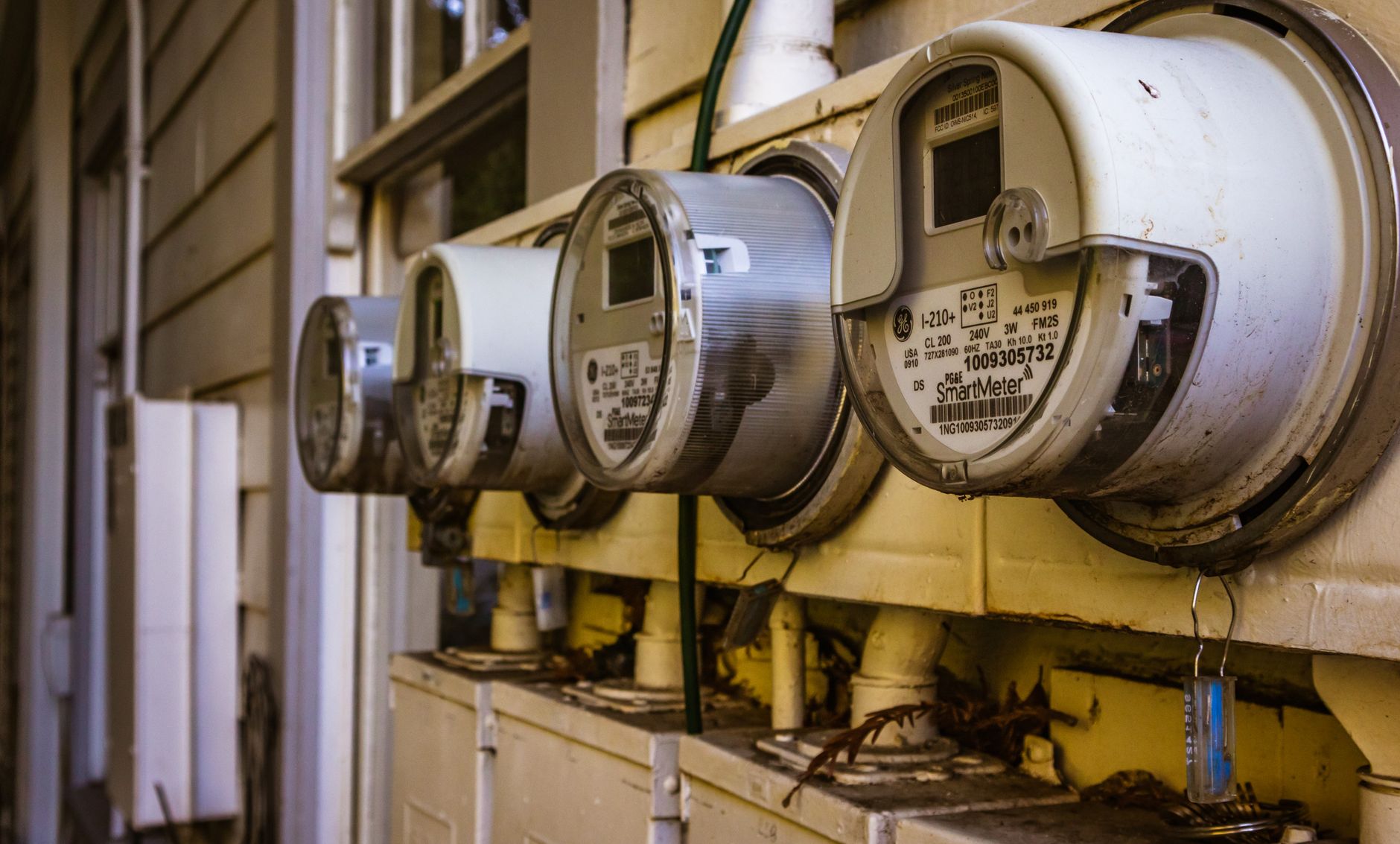
What is Smart Grid Technology? Powering Our Future
smart grid technology

What is Smart Grid Technology? Powering Our Future

The smart grid integrates advanced digital tech with the electrical network for a more efficient, reliable, and sustainable energy system.

Explore Smart Grid Now

Key Takeaways

  • ✓ Smart grid integrates digital communication into the electricity grid.
  • ✓ It enables two-way communication between utilities and consumers.
  • ✓ Enhances grid reliability, efficiency, and security.
  • ✓ Crucial for integrating renewable energy sources like solar and wind.

How It Works

1
Data Collection & Analysis

Sensors and smart meters continuously collect vast amounts of data on energy generation, consumption, and grid conditions. This real-time data is then analyzed to provide actionable insights.

2
Two-Way Communication

Unlike traditional grids, smart grids allow information to flow both from utilities to consumers and vice-versa. This enables dynamic pricing, demand response programs, and quicker outage detection.

3
Automated Response & Control

Equipped with intelligent control systems, the smart grid can automatically respond to changes in demand, supply fluctuations, and faults. This automation minimizes human intervention and speeds up recovery.

4
Integration of Distributed Resources

The smart grid seamlessly integrates diverse energy sources, including large power plants and smaller, distributed generators like rooftop solar. This flexibility enhances grid resilience and promotes greener energy.

The Evolution from Traditional Grid to Smart Grid
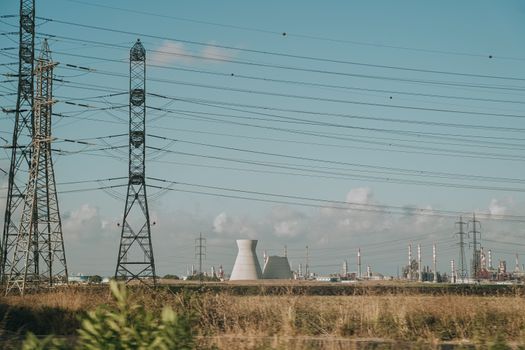
Scenic view of high voltage towers and power plant against a clear sky over dry grassland. Photo: Maor Attias / Pexels
For over a century, our electrical grid has operated on a foundational principle: centralized power generation transmitted one-way to consumers. This traditional grid, while a marvel of engineering for its time, was largely analog, reactive, and built for a world with predictable, unidirectional energy flows. It struggled with inefficiencies, lacked real-time visibility, and was vulnerable to widespread outages. Enter what is smart grid technology – a transformative leap forward that reimagines our entire energy infrastructure. It’s not merely an upgrade; it’s a paradigm shift, integrating advanced digital technology, communication networks, and intelligent control systems directly into the existing electrical grid. This integration creates a dynamic, interactive system capable of optimizing energy delivery, enhancing reliability, and facilitating the transition to a sustainable energy future. The core difference lies in communication and control. A traditional grid is like a one-way street: electricity flows from large power plants to homes and businesses, with little to no feedback from the consumer side. When an outage occurs, utilities often rely on customer calls or manual inspections to identify the problem, leading to longer restoration times. In contrast, the smart grid is a two-way superhighway of information and electricity. It uses sensors, smart meters, and digital communication technologies to collect real-time data on energy generation, transmission, distribution, and consumption. This data is then analyzed to identify patterns, predict potential issues, and enable automated responses. For instance, smart meters, a key component of the smart grid, don't just measure electricity usage; they can communicate that data back to the utility in near real-time, allowing for better load balancing and even empowering consumers with detailed insights into their own energy consumption patterns. This level of granular data was simply impossible with older infrastructure, which relied on monthly manual meter readings. The move to a smart grid is driven by several critical factors, including the increasing demand for electricity, the imperative to integrate more renewable energy sources, the need for enhanced grid security, and the desire for greater energy efficiency. It addresses the limitations of the traditional grid by providing the tools and intelligence necessary to manage a complex, distributed, and evolving energy landscape. Understanding this fundamental shift from a static, analog system to a dynamic, digital one is crucial to grasping the profound impact of what is smart grid technology on our daily lives and the broader energy ecosystem. It represents a foundational change, akin to the internet's transformation of information sharing, but for the very infrastructure that powers our society. This evolution is not just about keeping the lights on; it's about making our energy future more resilient, efficient, and environmentally responsible. Learn more about the future of energy.

Key Components and Technologies Driving the Smart Grid
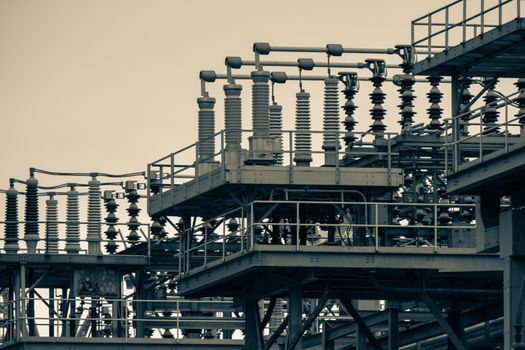
Detailed view of an industrial power station structure in New York City. Photo: _ Whittington / Pexels
The intelligence of what is smart grid technology comes from a sophisticated interplay of various components and advanced technologies. It's a complex ecosystem, but understanding its building blocks helps demystify how it operates. At the heart of the smart grid are advanced metering infrastructure (AMI), often referred to as smart meters. These devices go beyond basic energy measurement, providing detailed, real-time consumption data to both utilities and consumers. This two-way communication capability is foundational, enabling dynamic pricing, demand response programs, and precise outage detection. Instead of waiting for a customer to call, the utility can be alerted instantly to an outage, often pinpointing its exact location, significantly reducing restoration times. Beyond smart meters, a robust communication network forms the backbone of the smart grid. This network utilizes a variety of technologies, including fiber optics, wireless mesh networks, and power line communication (PLC), to ensure reliable data transfer across vast distances and diverse environments. This network connects everything from substations to individual smart appliances, creating a cohesive, interconnected system. Without this robust communication, the real-time data exchange and automated responses that define the smart grid would be impossible. Another critical component is the integration of advanced sensors and monitoring devices throughout the transmission and distribution network. These sensors monitor voltage, current, temperature, and other vital parameters, providing a comprehensive picture of grid health and performance. Phasor Measurement Units (PMUs), for example, offer highly synchronized measurements of electrical waves, allowing for real-time monitoring of grid stability and the early detection of potential cascading failures. These sensors enable predictive maintenance and proactive problem-solving, moving away from a reactive 'fix-it-when-it-breaks' approach. Furthermore, intelligent electronic devices (IEDs) and automation systems are deployed at various points in the grid, such as substations and feeder lines. These devices can automatically reconfigure the grid to isolate faults, reroute power, and optimize power flow, often without human intervention. This self-healing capability significantly improves grid resilience and reduces the impact of localized disturbances. Software and data analytics platforms tie all these components together. These platforms process the immense volume of data collected by the smart grid, using artificial intelligence and machine learning algorithms to identify anomalies, predict future demand, optimize energy dispatch, and manage distributed energy resources. These analytical capabilities are what truly transform raw data into actionable intelligence, allowing the grid to operate with unprecedented efficiency and foresight. Finally, the smart grid heavily relies on cybersecurity measures to protect its interconnected systems from malicious attacks. As the grid becomes more digital and connected, it also becomes a more attractive target for cyber threats. Robust encryption, intrusion detection systems, and secure communication protocols are essential to ensure the integrity, confidentiality, and availability of grid operations. Each of these technologies plays a vital role, but it is their synergistic integration that defines what is smart grid technology, creating a resilient, efficient, and intelligent energy delivery system capable of meeting the demands of the 21st century.

Benefits and Challenges of Adopting Smart Grid Technology
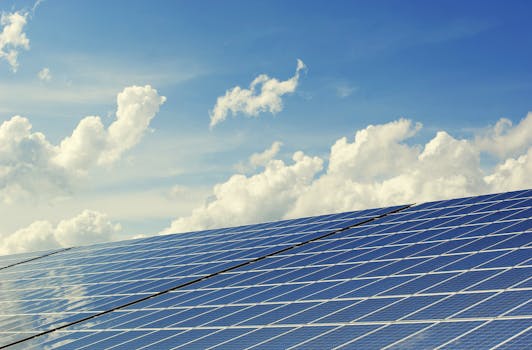
Sleek modern solar panels under a vibrant blue sky with clouds, symbolizing clean energy. Photo: Pixabay / Pexels
The widespread adoption of what is smart grid technology promises a multitude of benefits that address many of the limitations of our current energy infrastructure. One of the most significant advantages is enhanced reliability and resilience. By enabling real-time monitoring and automated fault detection and isolation, the smart grid can quickly identify and respond to outages, often before customers even notice. Its self-healing capabilities mean that in many cases, the grid can automatically reroute power around a damaged section, minimizing the impact of disruptions. This is particularly crucial in the face of increasingly frequent extreme weather events. Furthermore, the smart grid significantly improves energy efficiency. With detailed consumption data, consumers can make informed decisions to reduce their energy use, and utilities can better manage peak demand, reducing the need for costly and carbon-intensive peaker plants. Demand response programs, facilitated by smart grid technologies, incentivize consumers to shift their energy use to off-peak hours, balancing the load and reducing overall system stress. This leads to lower energy bills for consumers and more stable operations for utilities. Another pivotal benefit is the seamless integration of renewable energy sources. Traditional grids struggle with the intermittency of solar and wind power. The smart grid, with its advanced forecasting, real-time balancing, and distributed energy resource management capabilities, can effectively incorporate a much higher percentage of renewables. This is vital for achieving national and global decarbonization goals and transitioning away from fossil fuels. By allowing two-way power flow, the smart grid also supports distributed generation, where homes and businesses with solar panels can feed excess electricity back into the grid. This transforms consumers into prosumers, both consuming and producing energy. Improved security is also a major advantage. While the increased connectivity presents new cyber risks, the smart grid’s advanced monitoring and control systems can also detect and mitigate physical and cyber threats more effectively, protecting critical infrastructure from attack and ensuring a stable power supply. Discover more about renewable energy's role. However, the journey to a fully realized smart grid is not without its challenges. The initial investment required for upgrading existing infrastructure – including installing smart meters, sensors, communication networks, and new software systems – is substantial, often running into billions of dollars. Securing funding and demonstrating a clear return on investment can be complex. Cybersecurity is another paramount concern. An interconnected grid, while offering many benefits, also presents a larger attack surface for sophisticated cyber threats. Protecting sensitive data and critical operational systems from hackers requires continuous investment in advanced security measures and protocols. Privacy concerns also arise with the collection of granular energy consumption data. Consumers may be apprehensive about how their detailed usage information is collected, stored, and used, necessitating robust data privacy policies and transparent communication from utilities. Interoperability and standardization are further hurdles. With numerous vendors and technologies involved, ensuring that all components of the smart grid can communicate and work together seamlessly is a complex task. Developing and adhering to common standards is essential for a cohesive and efficient system. Finally, consumer education and engagement are critical. For the smart grid to deliver its full potential, consumers need to understand its benefits, how to utilize smart technologies like demand response programs, and how their energy habits can contribute to a more efficient and sustainable grid. Overcoming these challenges requires collaborative efforts from governments, utilities, technology providers, and consumers, but the long-term benefits in terms of reliability, efficiency, and sustainability make the investment in what is smart grid technology an imperative for our energy future.

The Future of Energy: Smart Grid's Role in a Sustainable Tomorrow
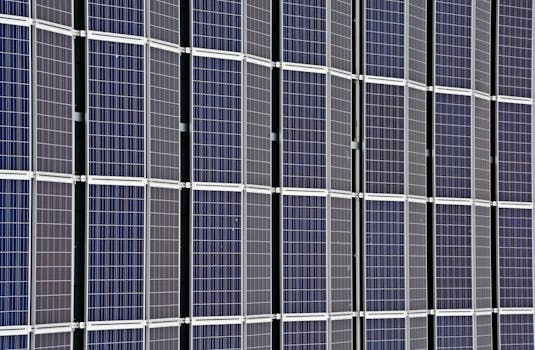
Close-up of multiple solar panels representing renewable energy and sustainability. Photo: Pixabay / Pexels
The concept of what is smart grid technology is not static; it's an evolving framework that will continue to shape our energy future in profound ways. As we look ahead, the smart grid is poised to play an even more central role in achieving a truly sustainable and resilient energy landscape. One of the most significant future trends is the deeper integration of artificial intelligence (AI) and machine learning (ML). These advanced analytical capabilities will move beyond current predictive models to enable hyper-optimized grid operations, anticipating demand fluctuations with greater accuracy, managing distributed energy resources (DERs) like solar and battery storage systems more dynamically, and even predicting equipment failures before they occur. AI-driven optimization will lead to unprecedented levels of efficiency, reducing waste and maximizing the utilization of every electron. Another key aspect of the smart grid's future is its role in enabling a truly decarbonized energy system. As renewable energy sources become dominant, the smart grid will be essential for managing their inherent variability. This includes advanced energy storage solutions, from utility-scale batteries to electric vehicle (EV) charging networks that can act as mobile energy storage. The smart grid will orchestrate these diverse resources, ensuring grid stability even with 100% renewable penetration. Vehicle-to-grid (V2G) technology, where electric vehicles can not only charge from the grid but also feed power back into it during peak demand, is a prime example of how the smart grid will facilitate new forms of energy flexibility and resilience. This bidirectional energy flow will transform EVs from mere transportation devices into critical components of the future energy infrastructure. The smart grid will also foster greater decentralization of energy generation. Microgrids – localized grids that can operate independently from the main grid – will become more prevalent, providing enhanced resilience for critical infrastructure and communities. These microgrids will be managed by smart grid technologies, enabling them to seamlessly connect and disconnect from the main grid as needed, ensuring continuous power even during widespread outages. Furthermore, the smart grid will empower consumers with even more control over their energy consumption. Advanced home energy management systems, integrated with smart appliances and renewable energy sources, will allow households to optimize their energy use, participate in dynamic pricing programs, and even trade energy with neighbors. This level of granular control and participation will transform passive consumers into active participants in the energy market, driving efficiency and innovation from the bottom up. Finally, the smart grid will be instrumental in creating a more secure and robust energy infrastructure. With increasing cyber threats and the impacts of climate change, the ability of the grid to withstand and recover from disruptions is paramount. Future smart grids will incorporate advanced self-healing capabilities, predictive analytics for threat detection, and enhanced physical security measures. The evolution of what is smart grid technology is not just about upgrading wires and meters; it's about building a digital nervous system for our energy supply, making it more intelligent, resilient, sustainable, and capable of supporting the needs of future generations. It's the critical infrastructure that will underpin our transition to a cleaner, more reliable, and equitable energy future, ensuring that power remains available and affordable for everyone.

Comparison

FeatureSmart GridTraditional GridMicrogrid (Smart Grid Component)
CommunicationTwo-way, real-timeOne-way, limitedTwo-way, real-time (localized)
Fault DetectionAutomated, immediateManual, reactiveAutomated, immediate
Renewable IntegrationExcellentChallengingExcellent
EfficiencyHigh (optimized)Moderate (static)High (optimized locally)
ResilienceHigh (self-healing)Moderate (vulnerable)Very High (islandable)
Consumer EngagementHigh (demand response)Low (passive)High (localized programs)

What Readers Say

"Since our utility implemented smart grid tech, our power outages are shorter and less frequent. It's amazing how quickly they restore power now, often before we even report it. It feels much more reliable."

Sarah J. · Austin, TX

"Understanding what is smart grid technology has helped me appreciate my smart meter. I can track my energy usage daily, which has empowered me to make changes and save on my electricity bill. It's a game-changer for budgeting."

David M. · Denver, CO

"As a homeowner with solar panels, the smart grid has made it seamless to integrate my system and even sell excess energy back. The bidirectional flow is fantastic and helps me contribute to a greener grid."

Emily R. · San Francisco, CA

"While the smart grid promises are great, I'm still a bit concerned about data privacy with all the new sensors. I hope utilities continue to be transparent about how they use our energy consumption data. Overall, though, I see the benefits."

Mark T. · Boston, MA

"Our business relies heavily on consistent power. With the smart grid, we've noticed a significant improvement in power quality and fewer unexpected disruptions. It means less downtime and more productivity for us."

Jessica L. · Phoenix, AZ

Frequently Asked Questions

What is the primary goal of what is smart grid technology?

The primary goal of what is smart grid technology is to create a more efficient, reliable, secure, and sustainable electricity delivery system. It aims to modernize the existing grid by integrating digital communication and intelligent control, allowing for real-time monitoring, optimized energy flow, and better integration of renewable energy sources.

Is smart grid technology secure from cyberattacks?

While the increased connectivity of smart grid technology does present new cybersecurity challenges, significant investments are being made to protect it. Robust encryption, intrusion detection systems, secure communication protocols, and continuous monitoring are implemented to safeguard the grid from cyberattacks and ensure its operational integrity.

How can I, as a consumer, interact with the smart grid?

As a consumer, you can interact with the smart grid through smart meters that provide detailed energy usage data, enabling you to monitor and manage your consumption. You may also participate in demand response programs offered by your utility, where you can voluntarily reduce energy use during peak times in exchange for incentives. Smart home devices can also be integrated for automated energy management.

What is the cost of implementing smart grid technology, and who pays for it?

The cost of implementing smart grid technology is substantial, involving billions of dollars for infrastructure upgrades, new devices, and software. These costs are typically borne by utility companies and are often recovered through electricity rates charged to consumers, sometimes with federal or state grants offsetting a portion of the investment. The long-term benefits are expected to outweigh these initial costs.

How does smart grid technology compare to the traditional electrical grid?

Smart grid technology fundamentally differs from the traditional grid by enabling two-way communication and intelligent control. The traditional grid is largely a one-way system with limited real-time data and reactive responses. The smart grid, conversely, is dynamic, self-monitoring, self-healing, and proactive, leading to greater efficiency, reliability, and the ability to integrate diverse energy sources.

Who benefits most from what is smart grid technology?

Everyone benefits from what is smart grid technology. Consumers gain from more reliable power, potentially lower bills through efficiency, and greater control over their energy use. Utilities benefit from optimized operations, reduced maintenance costs, and improved asset management. The environment benefits from better integration of renewables and reduced carbon emissions, leading to a more sustainable future for all.

Are there any health concerns related to smart grid technology?

Concerns about potential health effects from increased electromagnetic fields (EMF) due to smart meters and wireless communication have been raised. However, numerous scientific studies by organizations like the World Health Organization and the FCC have consistently found that EMF exposure from smart grid components is well within established safety limits and significantly lower than exposure from common household devices.

What role will smart grid technology play in future energy independence for the US?

Smart grid technology is pivotal for future energy independence in the US. By efficiently integrating domestic renewable energy sources, enabling decentralized generation, and optimizing energy use, it reduces reliance on imported fossil fuels. It also enhances grid resilience against global supply chain disruptions and strengthens national energy security by creating a more robust and adaptable infrastructure.

Embrace the future of energy by understanding what is smart grid technology. This critical innovation is shaping a more reliable, efficient, and sustainable power landscape for homes and businesses across the US, empowering us all to contribute to a greener tomorrow.

Topics: smart grid technologyenergy grid modernizationrenewable energy integrationgrid resilienceenergy efficiency
Leo List
Brampton weed
Adultwork EstrelaBet Vai de Bet R7 Bet Betão Galera Bet Rainbet Bet9ja Shop SportyBet BetKing Sisal Loto Foot Hollywoodbets YesPlay Odibets RushBet Jugabet BetWarrior BetCity MSport betPawa Fortebet