What is Geothermal Energy? Your Guide to Earth's Power
what is geothermal energy

What is Geothermal Energy? Your Guide to Earth's Power

Harnessing the planet's internal heat offers a clean, reliable, and sustainable energy solution for the future.

Explore Geothermal Now

Key Takeaways

  • ✓ Geothermal energy originates from the Earth's core, offering a continuous heat source.
  • ✓ It is one of the cleanest and most reliable renewable energy sources available.
  • ✓ Geothermal power plants operate 24/7, unaffected by weather conditions.
  • ✓ The U.S. is a global leader in geothermal electricity generation, primarily in the West.

How It Works

1
Tapping into Earth's Heat

Wells are drilled deep into the Earth to access reservoirs of hot water and steam. These reservoirs are naturally heated by molten rock (magma) below the surface.

2
Bringing Heat to the Surface

The hot water or steam is then brought to the surface through carefully engineered pipelines. This high-temperature fluid is the primary energy carrier.

3
Generating Electricity

At a power plant, the steam drives turbines connected to generators, producing electricity. In some systems, the hot water heats a secondary fluid that vaporizes and spins the turbine.

4
Reinjecting and Reusing

After energy extraction, the cooled water is reinjected back into the Earth. This sustainable practice ensures the reservoir is replenished, making the resource renewable.

Unpacking the Fundamentals of Geothermal Power

Dramatic aerial view of red-hot lava flowing over dark terrain. Photo: Björn Austmar Þórsson / Pexels
At its heart, understanding what is geothermal energy begins with recognizing that our planet is a colossal heat engine. Beneath our feet lies an immense, continuous source of thermal energy, generated primarily from the slow decay of radioactive isotopes in the Earth's core and mantle, combined with residual heat from the planet's formation. This internal heat manifests in various ways, from volcanic activity and hot springs to less visible, but equally potent, underground reservoirs of hot water and steam. Unlike intermittent renewable sources like solar or wind, geothermal energy offers a consistent, baseload power supply, operating irrespective of weather patterns or time of day. This inherent reliability makes it a cornerstone for a stable and diversified energy grid. The concept of harnessing this power isn't new; ancient civilizations used hot springs for bathing and heating. However, modern geothermal technology has evolved to tap into these resources with unprecedented efficiency and scale. Geothermal power plants typically extract hot fluids from deep within the Earth, using the steam or superheated water to drive turbines and generate electricity. The cooled fluid is then reinjected into the reservoir, ensuring the sustainability of the resource. This closed-loop system minimizes environmental impact and maximizes efficiency. Beyond electricity generation, geothermal energy is also widely used for direct heating applications, such as district heating systems, greenhouses, and aquaculture. In colder climates, geothermal heat pumps leverage the stable underground temperatures (around 50-60°F or 10-16°C just a few feet below the surface) to provide highly efficient heating and cooling for residential and commercial buildings. This dual utility – for both power generation and direct use – highlights its versatility and potential to significantly reduce our reliance on fossil fuels. The United States has a rich geothermal resource base, particularly in the western states, with significant potential for expansion. Investment in exploration and technological advancements continues to unlock new opportunities, making geothermal an increasingly vital component of the nation's renewable energy future. As we delve deeper into the specifics, it becomes clear that geothermal energy is not just an alternative; it's a fundamental solution to many of our energy challenges.

The Diverse Applications and Types of Geothermal Systems
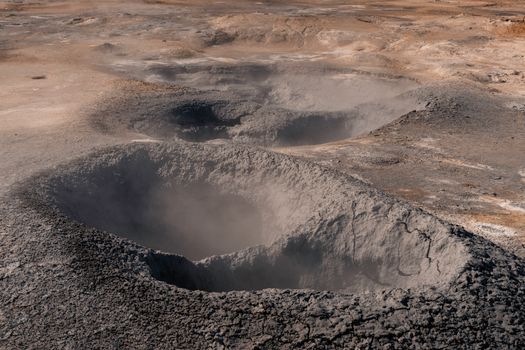
A stunning view of geothermal hot springs in Iceland's rugged landscape. Photo: Raul Ling / Pexels
When exploring what is geothermal energy, it's crucial to understand that its applications extend far beyond simply generating electricity. The technology is broadly categorized into two main types: geothermal power plants for electricity generation and direct-use geothermal systems, including geothermal heat pumps, for heating and cooling. Each type leverages the Earth's heat in different ways, catering to distinct energy needs. Geothermal power plants are typically found in regions with high-temperature geothermal resources, often characterized by volcanic activity or tectonic plate boundaries. There are three primary types of geothermal power plants: dry steam, flash steam, and binary cycle. Dry steam plants, the oldest type, directly use steam from underground reservoirs to spin turbines. Flash steam plants, the most common, convert high-pressure hot water into steam by reducing its pressure, which then drives turbines. Binary cycle plants, ideal for lower-temperature resources, use the geothermal hot water to heat a secondary fluid with a lower boiling point, which then vaporizes and spins a turbine. This latter technology has expanded the viability of geothermal electricity generation to a wider range of locations. Beyond electricity, direct-use geothermal applications utilize geothermal heat directly, without conversion to electricity. This can include district heating systems that pump hot water through networks to heat multiple buildings, agricultural uses like greenhouse heating or crop drying, and even industrial processes requiring consistent heat. Hot springs, a natural manifestation of geothermal heat, have been used for centuries for therapeutic bathing and recreation. Geothermal heat pumps (GHPs) represent another significant application, particularly for residential and commercial buildings. Unlike traditional heating and cooling systems that burn fossil fuels or exchange heat with outside air, GHPs exchange heat with the stable temperature of the Earth's subsurface. In winter, the system extracts heat from the ground and transfers it indoors. In summer, it reverses the process, extracting heat from the building and dispersing it into the cooler ground. This makes GHPs exceptionally energy-efficient, often reducing heating and cooling costs by 30-70% compared to conventional systems. The versatility of geothermal energy, from large-scale power generation to localized heating and cooling, underscores its potential to create a more sustainable and resilient energy infrastructure. The continued development and deployment of these diverse systems are vital for achieving global decarbonization goals and reducing our carbon footprint.

Environmental Benefits and Economic Advantages of Geothermal
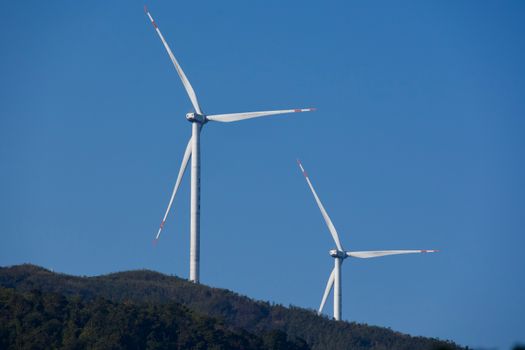
Two wind turbines on a hill with a clear blue sky, representing renewable energy. Photo: Rong Huang / Pexels
The appeal of what is geothermal energy lies not only in its power generation capabilities but also in its substantial environmental and economic advantages. Environmentally, geothermal energy is one of the cleanest forms of power available. Unlike fossil fuels, geothermal power plants produce minimal greenhouse gas emissions, primarily water vapor, and trace amounts of non-condensable gases that are typically reinjected back into the Earth. This significantly reduces air pollution and mitigates climate change. Furthermore, geothermal systems have a relatively small land footprint per megawatt of electricity generated compared to other renewable sources like large-scale solar farms or wind turbine installations, preserving natural habitats and agricultural land. The continuous nature of geothermal power, often referred to as 'baseload' power, means it can operate 24 hours a day, 7 days a week, providing a constant and reliable electricity supply. This stability is a critical advantage for grid management, as it avoids the intermittency issues associated with solar and wind power, which fluctuate with weather conditions. This reliability reduces the need for expensive backup power systems and contributes to overall grid stability. Economically, geothermal energy offers long-term stability and cost predictability. Once a geothermal plant is established, the 'fuel' (Earth's heat) is free and inexhaustible, insulating operators from volatile fossil fuel price fluctuations. While initial capital costs for exploration and drilling can be high, the operational costs are relatively low, leading to competitive electricity prices over the lifespan of the plant. Geothermal projects also create local jobs, from geological exploration and drilling to plant construction, operation, and maintenance, fostering economic development in the regions where they are located. For homeowners, geothermal heat pump systems, while having a higher upfront installation cost than conventional HVAC, offer significant savings on utility bills over their lifespan, often paying for themselves within 5-10 years. Many governments and utilities offer incentives, tax credits, and rebates to encourage the adoption of geothermal technologies, further enhancing their economic viability. The long operational life of geothermal plants and systems, often spanning decades, provides a reliable return on investment. As the world transitions towards a low-carbon economy, the environmental stewardship and economic resilience offered by geothermal energy position it as a critical component of a sustainable clean energy future.

Navigating Challenges and Future Prospects of Geothermal Energy
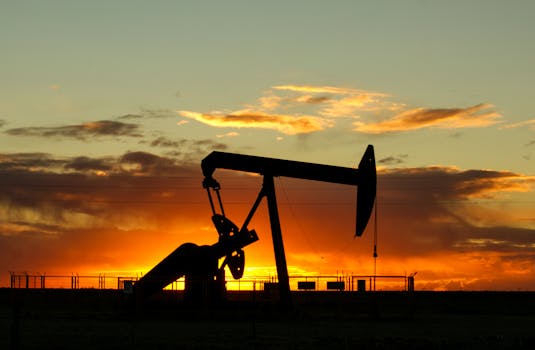
Dramatic silhouette of an oil pump jack against a vibrant sunset sky, emphasizing energy extraction. Photo: Jan Zakelj / Pexels
Despite its numerous advantages, the deployment of what is geothermal energy is not without its challenges. Understanding these hurdles is key to appreciating the efforts being made to advance this vital resource. One of the primary obstacles is the high upfront cost associated with exploration and drilling. Locating viable geothermal reservoirs requires extensive geological surveys and exploratory drilling, which can be expensive and carry a degree of risk. A well-drilled may not always yield sufficient heat or fluid flow for commercial operation. However, advancements in seismic imaging, drilling technologies, and reservoir modeling are steadily reducing these risks and costs. Another challenge is the geographical specificity of high-temperature geothermal resources suitable for large-scale electricity generation. While geothermal heat pumps can be installed almost anywhere, power plants typically require specific geological conditions, limiting their global deployment. This makes resource assessment and mapping crucial for identifying new viable sites. The future of geothermal energy is bright, with significant technological innovations on the horizon. Enhanced Geothermal Systems (EGS) are a game-changer. EGS involves injecting water into hot, dry rock formations at depths where natural water pathways are insufficient. The water is fractured to create a reservoir, allowing it to heat up before being brought back to the surface. This technology has the potential to unlock vast geothermal resources in areas previously deemed unsuitable, dramatically expanding the global geothermal footprint. Furthermore, advancements in drilling techniques, such as directional drilling and plasma drilling, are making it more efficient and cost-effective to access deeper, hotter resources. Hybrid systems combining geothermal with other renewables, like solar thermal, are also being explored to optimize energy production and efficiency. The integration of artificial intelligence and machine learning in resource exploration and reservoir management is improving predictability and operational efficiency. The increasing global focus on decarbonization and energy independence is providing strong impetus for continued investment and research in geothermal energy. As these challenges are addressed through innovation and strategic investment, geothermal energy is poised to play an even more significant role in providing clean, reliable, and sustainable power for generations to come. The goal is to make geothermal energy accessible and affordable for a broader range of communities and industries.

Comparison

FeatureGeothermalSolar PVWind PowerNatural Gas
ReliabilityBaseload (24/7)Intermittent (Daylight Dependent)Intermittent (Wind Dependent)Baseload (Dispatchable)
EmissionsVery LowZero (Operational)Zero (Operational)High (Combustion)
Land FootprintLow per MWhModerate to HighModerate to HighLow (Power Plant)
Fuel CostZero (Earth's Heat)Zero (Sunlight)Zero (Wind)Variable (Market Price)
Initial CostHighModerateModerateModerate
ScalabilitySite-Specific, EGS expandingHighly ScalableHighly ScalableHighly Scalable
Energy Storage RequiredNo (Baseload)Yes (for 24/7)Yes (for 24/7)Yes (Gas Storage)

What Readers Say

"Switching to geothermal for our home heating and cooling was the best decision. Our energy bills plummeted by over 60%, and the comfort is unmatched. It truly changed how we think about what is geothermal energy."

Sarah J. · Boise, ID

"As an engineer, I'm impressed by the consistent output of our local geothermal plant. It's a testament to the reliability of this incredible resource. It highlights the true potential of what is geothermal energy."

Mark D. · Reno, NV

"Our greenhouse now uses geothermal direct heating, extending our growing season and significantly cutting fuel costs. The environmental benefits align perfectly with our sustainable farming practices."

Emily K. · Bend, OR

"The initial investment for our geothermal heat pump was substantial, but the long-term savings and consistent comfort have made it worthwhile. It's a commitment, but one that pays off environmentally and financially."

Robert L. · Santa Rosa, CA

"Even in a hot climate, our geothermal system keeps our home cool and efficient. We hardly think about what is geothermal energy anymore, it just works reliably in the background."

Jessica M. · Phoenix, AZ

Frequently Asked Questions

What are the primary uses of geothermal energy?

Geothermal energy is primarily used for two main purposes: electricity generation through geothermal power plants and direct use applications like heating and cooling buildings with geothermal heat pumps, district heating, and agricultural processes. Its versatility allows it to serve various energy needs.

Is geothermal energy truly renewable and sustainable?

Yes, geothermal energy is considered a renewable resource because the Earth's internal heat is continuously generated. Modern geothermal systems reinject cooled water back into the reservoir, ensuring the replenishment of the heat source and making the process sustainable over long periods.

How does a geothermal heat pump work in a home?

A geothermal heat pump works by exchanging heat with the stable temperature of the Earth's ground. In winter, it extracts heat from the relatively warmer ground and transfers it into your home. In summer, it reverses the process, extracting heat from your home and dissipating it into the cooler ground, providing highly efficient heating and cooling.

What is the cost of installing a geothermal system?

The initial installation cost for geothermal systems, particularly heat pumps, can be higher than conventional systems, ranging from $20,000 to $40,000 for a typical home. However, significant long-term savings on utility bills (30-70%) and available tax credits or rebates often lead to a favorable payback period.

How does geothermal compare to other renewable energy sources like solar or wind?

Geothermal energy offers baseload power, meaning it provides consistent energy 24/7, unlike solar and wind which are intermittent. While its geographical availability is more specific for power plants, it has a smaller land footprint and lower operational emissions than many other sources, offering a unique set of benefits.

Who should consider investing in geothermal energy?

Homeowners looking for long-term energy savings and reduced carbon footprint, businesses seeking stable, low-cost heating and cooling, and regions with viable geothermal resources for large-scale electricity generation should consider investing in geothermal energy. It's ideal for those prioritizing reliability and sustainability.

Are there any environmental risks associated with geothermal energy?

Geothermal energy has a very low environmental impact. While some systems may release small amounts of greenhouse gases (like CO2 and H2S) naturally occurring in the deep Earth, modern plants reinject these back into the reservoir. There is also a minor risk of induced seismicity from fluid injection, which is carefully monitored and managed.

What is the future outlook for geothermal energy?

The future of geothermal energy is promising, with advancements in Enhanced Geothermal Systems (EGS) poised to unlock vast new resources globally. Continued technological innovation in drilling and reservoir management, coupled with increasing demand for reliable, clean energy, suggests significant growth and expansion for geothermal in the coming decades.

Ready to harness the Earth's constant power? Understanding what is geothermal energy is the first step towards a sustainable future. Explore how this reliable, clean energy source can benefit your home, business, or community today and contribute to a greener planet for tomorrow.

Topics: what is geothermal energygeothermal powerrenewable energy sourcegeothermal heating and coolingearth's heat
Leo List

IE Escorts NO Escorts US Escorts NZ Escorts AU Escorts
Brampton weed
Adultwork EstrelaBet Vai de Bet R7 Bet Betão Galera Bet Rainbet Bet9ja Shop SportyBet BetKing Sisal Loto Foot Hollywoodbets YesPlay Odibets RushBet Jugabet BetWarrior BetCity MSport betPawa Fortebet