
Unearthing the Benefits of Geothermal Energy
Harnessing Earth's constant heat provides a reliable, clean, and cost-effective energy solution.
Explore Geothermal NowKey Takeaways
- ✓ Geothermal energy utilizes the Earth's internal heat, a virtually inexhaustible resource.
- ✓ It offers consistent, baseload power, unlike intermittent solar or wind energy.
- ✓ Geothermal systems can reduce household heating and cooling costs by 30-70%.
- ✓ Its carbon footprint is significantly lower than fossil fuels, contributing to cleaner air.
- ✓ The US has vast untapped geothermal resources, particularly in the western states.
How It Works
Wells are drilled deep into the Earth to access hot water and steam reservoirs. These reservoirs are naturally heated by the planet's core.
The superheated fluid (water or steam) is brought to the surface. For power generation, this steam drives turbines; for heating/cooling, heat exchangers transfer thermal energy.
In power plants, the steam spins massive turbines connected to generators, producing electricity. This process is continuous and highly efficient.
After use, the cooled fluid is reinjected back into the Earth's reservoir. This sustainable practice ensures the resource is replenished and minimizes environmental impact.
Unlocking Consistent, Reliable Power: A Cornerstone of Energy Security
 Photo: Francesco Ungaro / Pexels
Environmental Stewardship: A Path to Cleaner Air and Reduced Emissions
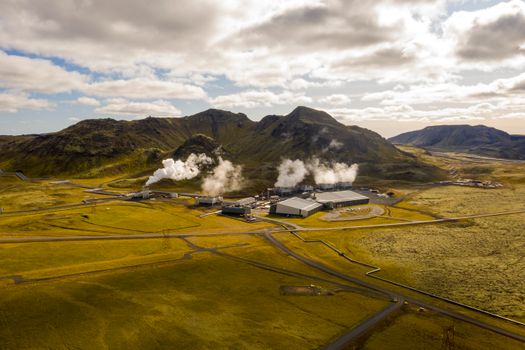 Photo: David Elvar Masson / Pexels
Economic Resilience: Savings, Stability, and Job Creation
 Photo: Raul Ling / Pexels
Beyond Electricity: Versatile Applications and Future Potential
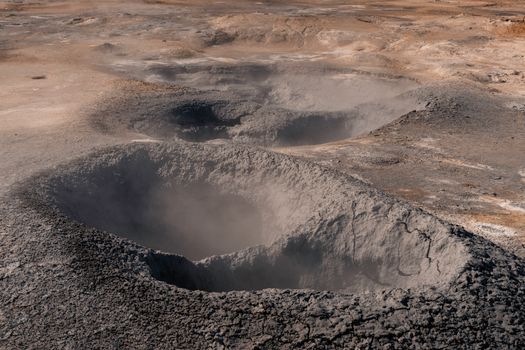 Photo: Raul Ling / Pexels
Comparison
| Feature | Geothermal | Solar (PV) | Wind | Natural Gas |
|---|---|---|---|---|
| Reliability (Baseload) | Consistent 24/7 | Intermittent (Daylight) | Intermittent (Wind Speed) | Dispatchable (Fuel Dependent) |
| Carbon Emissions | Very Low/Near Zero | Very Low (Operational) | Very Low (Operational) | Moderate to High |
| Land Footprint | Small per MW | Moderate to Large per MW | Moderate to Large per MW | Small to Moderate (Plant) |
| Fuel Cost | Free (Earth's Heat) | Free (Sunlight) | Free (Wind) | Volatile Market Price |
| Operating Life | 30+ years (Plant) | 25-30 years (Panels) | 20-25 years (Turbines) | 20-30 years (Plant) |
| Residential Application | ✓ (Heat Pumps) | ✓ (Rooftop PV) | ✗ | ✓ (Furnace/Boiler) |
What Readers Say
"Switching to a geothermal heat pump was the best decision for our home. Our energy bills have plummeted, and the comfort level is incredible – no more hot or cold spots. It's truly one of the best benefits of geothermal energy I've experienced."
Sarah J. · Boise, ID"As a business owner, reliable and cost-effective energy is paramount. Our geothermal power source provides consistent baseload electricity, allowing us to plan our operations without worrying about fluctuating energy prices. It's a game-changer for stability."
Michael D. · Reno, NV"We installed a geothermal system two years ago, and our summer cooling costs dropped by over 60%. The federal tax credit made the initial investment manageable, and the quiet operation is a huge bonus. Definitely seeing the financial benefits of geothermal energy firsthand."
Emily R. · Flagstaff, AZ"While the upfront cost was significant even with incentives, the long-term savings and environmental impact of our geothermal system are undeniable. I appreciate the peace of mind knowing we're using a sustainable and efficient heating/cooling method, though the installation process was a bit extensive."
David K. · Portland, OR"Our community's district heating system uses geothermal, and it's fantastic. Warm homes all winter without the high individual furnace costs or emissions. It shows how the benefits of geothermal energy can scale to benefit entire neighborhoods."
Linda P. · San Francisco, CAFrequently Asked Questions
What are the primary benefits of geothermal energy for homeowners in the US?
For homeowners, the primary benefits include significantly lower heating and cooling bills (30-70% savings), enhanced indoor comfort due to consistent temperatures, quiet operation, and a reduced carbon footprint. Federal and state incentives can also substantially offset the initial installation costs, making it a sound long-term investment.
Is geothermal energy truly sustainable, or can the Earth's heat run out?
Geothermal energy is highly sustainable. While the Earth's core is continuously generating heat, geothermal power plants often reinject the used fluid back into the reservoir to maintain pressure and volume. This practice ensures the resource is replenished and can be utilized for decades or even centuries, making it a truly renewable source.
How do I determine if my property is suitable for a geothermal heat pump system?
To determine suitability, you'll typically need a site assessment by a qualified geothermal installer. They will evaluate your property's soil conditions, available land for ground loops, heating/cooling load requirements, and local regulations. Factors like lot size, soil type, and proximity to bedrock can influence the design and cost of the system.
What is the typical upfront cost of installing a geothermal system, and what is the ROI?
The upfront cost for a residential geothermal system can range from $20,000 to $45,000 or more, depending on system size and ground loop type. However, federal tax credits (like the 30% ITC) and potential state/local incentives can significantly reduce this. The return on investment (ROI) typically ranges from 5-10 years, driven by substantial energy savings and increased home value.
How does geothermal energy compare to solar or wind power in terms of reliability?
Geothermal energy offers superior reliability compared to solar or wind power because it provides continuous, 24/7 baseload power, unaffected by weather conditions or time of day. Solar and wind are intermittent, requiring backup or energy storage, whereas geothermal is a constant, predictable energy source, crucial for grid stability.
Who should consider investing in geothermal energy for their home or business?
Homeowners looking for significant, long-term savings on energy bills, increased comfort, and a reduced environmental footprint should consider geothermal. Businesses and industries requiring stable, predictable energy costs and reliable power supply, especially those with high heating/cooling demands, also stand to benefit greatly from geothermal solutions.
Are there any environmental risks associated with geothermal energy development?
While generally very low-impact, potential risks include minor seismic activity (especially with Enhanced Geothermal Systems), potential for groundwater contamination if not properly managed, and release of trace greenhouse gases (though far less than fossil fuels and often reinjected). Strict environmental regulations and modern engineering practices mitigate these concerns.
What is the future outlook for geothermal energy in the US?
The future outlook for geothermal energy in the US is very promising. Advancements in Enhanced Geothermal Systems (EGS) are opening up new resource areas, and there's increasing interest in direct-use applications and co-production of critical minerals. Government support and R&D funding are also growing, positioning geothermal for significant expansion as a key component of a diversified, clean energy portfolio.
Embrace a future powered by the Earth's own heat. Exploring the benefits of geothermal energy reveals a path to economic stability, environmental responsibility, and reliable power for your home or business. Take the next step towards energy independence and sustainability today.