Unlocking the Benefits of Wind Energy for a Brighter Future
July 29, 2026 14 min read 2,715 words
Harnessing the power of wind offers a sustainable and powerful solution for our energy needs, driving economic growth and environmental preservation.
Explore Wind Power
Environmental Advantages of Wind Power
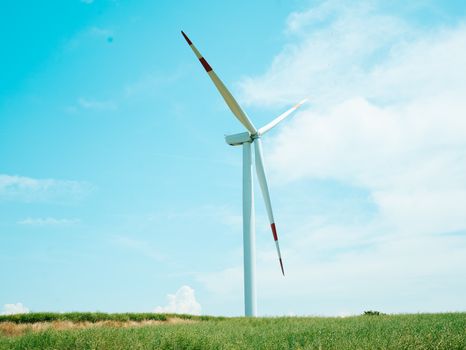 Photo: Memet Öz / Pexels
The environmental advantages of wind power are arguably its most compelling attributes, positioning it as a cornerstone of sustainable energy development. Unlike fossil fuels, which release harmful greenhouse gases and pollutants into the atmosphere when burned, wind turbines generate electricity without combustion. This fundamental difference means that operating wind farms produce zero carbon dioxide, sulfur dioxide, nitrogen oxides, or particulate matter. These emissions are major contributors to climate change, acid rain, smog, and respiratory illnesses. By displacing electricity generated from coal and natural gas, wind energy directly mitigates these environmental threats, leading to cleaner air and a healthier planet.
Consider the scale of this impact: a single large wind turbine can offset thousands of tons of CO2 emissions annually. When aggregated across an entire wind farm, the carbon savings become immense, making a substantial contribution to meeting climate targets set by international agreements and national policies. For example, in the U.S., wind power has already prevented hundreds of millions of metric tons of CO2 emissions, equivalent to removing tens of millions of cars from the road each year. This reduction in greenhouse gases is critical for slowing global warming and reducing the frequency and intensity of extreme weather events.
Beyond air quality, wind energy has a minimal impact on water resources. Traditional thermoelectric power plants, particularly those fueled by coal and nuclear energy, require vast amounts of water for cooling purposes. This can put significant strain on local water supplies, especially in drought-prone regions. Wind turbines, by contrast, do not require water for cooling or fuel extraction, making them an excellent option for water-stressed areas. This is a crucial benefit in the face of increasing water scarcity challenges globally. Furthermore, the land footprint of wind farms is relatively small compared to their power output. While turbines require space, the land between them can often still be used for agriculture, grazing, or other purposes, allowing for co-existence with existing land uses. This dual-use potential helps to minimize land-use conflicts and maximize resource efficiency, distinguishing wind energy from other power generation methods that require exclusive land dedication. The long-term environmental sustainability of wind power, combined with its ability to reduce pollution and conserve natural resources, underscores its vital role in creating a more resilient and eco-friendly energy future. Understanding these profound
benefits of renewable energy is essential for informed decision-making.
Economic Growth and Job Creation
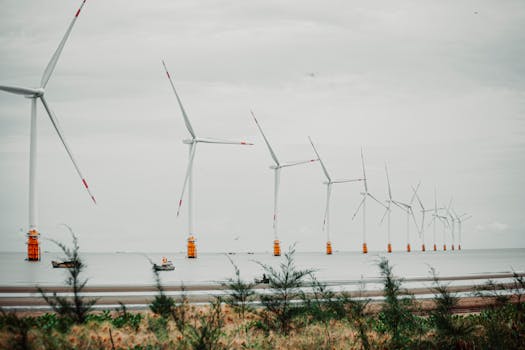 Photo: Phong Võ / Pexels
The economic benefits of wind energy extend far beyond simply providing electricity; they represent a powerful engine for economic growth and job creation, particularly in rural areas that often struggle with economic development. The wind energy sector is a complex ecosystem that requires a diverse range of skills and industries, from manufacturing and construction to operations and maintenance. This translates into a significant number of direct and indirect jobs across the United States.
Manufacturing, for instance, involves the production of turbine components such as blades, towers, nacelles, and gearboxes. These components are often produced in factories located in various states, creating skilled manufacturing jobs. The construction phase of a wind farm is highly labor-intensive, requiring engineers, project managers, heavy equipment operators, electricians, ironworkers, and general laborers. These jobs are typically well-paying and provide opportunities for local communities to participate directly in the energy transition. Once a wind farm is operational, a new set of jobs emerges in operations and maintenance (O&M). Wind turbine technicians, often referred to as 'windtechs,' are in high demand, responsible for inspecting, maintaining, and repairing turbines to ensure optimal performance. These are specialized technical roles that offer stable, long-term employment opportunities. The U.S. Bureau of Labor Statistics projects significant growth for wind turbine technicians, highlighting the sector's robust job outlook.
Beyond direct employment, wind energy projects stimulate local economies through various channels. Landowners who lease their land for turbines receive lease payments, providing a stable, diversified income stream that can be particularly beneficial for agricultural communities. These payments can help farmers sustain their operations, invest in their businesses, or provide additional income during challenging economic periods. Furthermore, wind farms contribute significantly to local tax bases. Property taxes and other payments from wind projects provide essential revenue for local governments, which can then be invested in public services such as schools, roads, emergency services, and community infrastructure. This influx of capital can revitalize rural economies, leading to improved quality of life for residents.
The ripple effect of wind energy investments also extends to supporting local businesses. During construction and operation, wind farms often procure goods and services from nearby suppliers, including concrete, transportation, catering, and accommodation. This creates a multiplier effect, injecting money into the local economy and supporting small and medium-sized enterprises. The U.S. has seen billions of dollars invested in new wind power projects annually, driving economic activity across the supply chain. This investment not only creates jobs but also fosters innovation and technological advancements within the energy sector, solidifying the nation's leadership in renewable energy. The combination of job creation, landowner payments, local tax revenue, and support for local businesses makes wind energy a powerful driver of sustainable economic growth.
Energy Independence and Price Stability
 Photo: Matthis Volquardsen / Pexels
Achieving energy independence and ensuring price stability are critical national security and economic priorities, and wind energy plays a pivotal role in realizing these goals. Relying heavily on imported fossil fuels exposes a nation to geopolitical risks, supply chain disruptions, and volatile global market prices. When oil or natural gas prices fluctuate due to international events, domestic energy costs can skyrocket, impacting everything from household budgets to industrial production. Wind energy, being an indigenous resource, liberates a country from these external dependencies. By harnessing a domestic, inexhaustible resource, the U.S. can produce its own electricity, reducing the need for foreign energy imports and enhancing its energy security. This self-sufficiency strengthens the nation's economic resilience and provides a buffer against global energy shocks.
Furthermore, wind energy offers unparalleled price stability. Once a wind farm is built, the 'fuel' – the wind itself – is free. The primary costs associated with wind power are the initial capital investment for construction and ongoing operations and maintenance. Unlike fossil fuel plants, which are subject to the unpredictable price swings of coal, oil, or gas, the operational costs of wind energy are largely fixed and predictable over the long term. This predictability allows utilities and consumers to budget more effectively and provides a stable source of electricity that is immune to commodity market volatility. This stability is a significant advantage for businesses that rely on consistent energy prices for their operations, enabling better financial planning and reducing operational risks. For residential consumers, a greater share of wind energy in the grid can lead to more stable and potentially lower electricity bills over time.
Beyond the direct economic impact, energy independence fostered by wind power has strategic implications. It reduces the leverage of foreign entities over a nation's energy supply and allows for greater autonomy in foreign policy. The U.S. has vast wind resources, both onshore and offshore, which, if fully developed, could meet a substantial portion of the nation's electricity demand. Investing in these domestic resources not only creates jobs and stimulates local economies, as discussed previously, but also keeps energy dollars within the country, circulating through the national economy rather than flowing abroad to purchase foreign fuels. This localized economic benefit further reinforces the appeal of wind power. As technology advances and the cost of wind energy continues to decline, its role in ensuring long-term energy independence and providing a stable, affordable power supply will only grow. This strategic advantage positions wind energy as a cornerstone of a robust and secure national energy policy, offering a pathway to a future where energy is abundant, affordable, and domestically sourced. This is a key component of building a resilient
future energy grid.
Addressing Common Misconceptions and Future Outlook
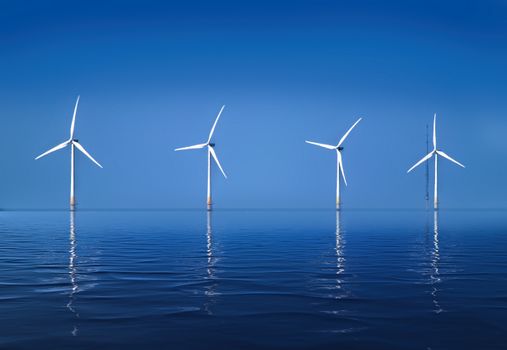 Photo: John Lines / Pexels
Despite the myriad benefits, wind energy, like any technology, faces its share of misconceptions and challenges that are important to address for a balanced understanding. One common concern revolves around the visual impact of wind turbines on landscapes. While their size and presence are undeniable, opinions on their aesthetics vary widely, and efforts are continuously made to integrate them harmoniously into the environment, often placing them in areas with minimal visual intrusion or offshore. Another frequent point of discussion is the impact on wildlife, particularly birds and bats. While wind turbines can pose a risk, the industry is actively engaged in developing and implementing mitigation strategies, such as radar-activated curtailment systems, improved turbine designs, and strategic siting based on extensive ecological studies. Research consistently shows that the overall impact on bird populations is significantly lower than that from other anthropogenic sources like buildings, vehicles, and fossil fuel power plants.
Noise is another concern often raised by communities near wind farms. Modern wind turbines are significantly quieter than older models due to advancements in design and materials. At typical setback distances from homes, the noise levels are generally comparable to ambient background noise, such as rustling leaves or quiet conversation. Furthermore, the issue of intermittency – the fact that wind doesn't always blow – is a legitimate operational challenge. However, this is being effectively managed through several technological and grid-level solutions. These include advanced weather forecasting, improved grid management techniques, geographic diversity of wind farms (so that wind is likely blowing somewhere at any given time), and increasingly, the integration of energy storage solutions like batteries. These innovations ensure a reliable and stable electricity supply even as more intermittent renewables are added to the grid.
The future outlook for wind energy in the U.S. is exceptionally bright. Continued technological advancements are leading to larger, more efficient turbines that can capture more energy at lower wind speeds, expanding the viable geographic areas for wind development. Offshore wind, in particular, holds immense potential, with stronger, more consistent winds and the ability to generate power closer to major coastal population centers. Significant investments are being made in offshore wind infrastructure along the East and West Coasts, promising a new frontier for clean energy. Policies like tax credits and renewable portfolio standards continue to incentivize wind power development, fostering a supportive regulatory environment. The declining cost of wind energy, which has dropped dramatically over the past decade, makes it increasingly competitive with traditional energy sources, often becoming the cheapest option for new electricity generation. This cost competitiveness, combined with growing public and corporate demand for clean energy, ensures that wind power will continue its rapid expansion, playing an indispensable role in decarbonizing the U.S. energy sector and building a sustainable future.
Tips for understanding wind energy:
* **Research local projects:** Learn about specific wind farms in your region and their community engagement efforts.
* **Consult scientific reports:** Rely on data from reputable energy agencies and environmental organizations.
* **Visit a wind farm:** If possible, experience the technology firsthand to gain a better perspective.
* **Understand grid integration:** Learn how modern grids manage multiple energy sources for reliability.
