Understanding Energy Bills: Your Guide to Savings
August 14, 2026 15 min read 3,077 words
Decode your monthly statements, identify hidden costs, and implement strategies to significantly lower your energy expenses.
Start Saving Now
Deconstructing Your Utility Statement: A Deep Dive into Energy Costs
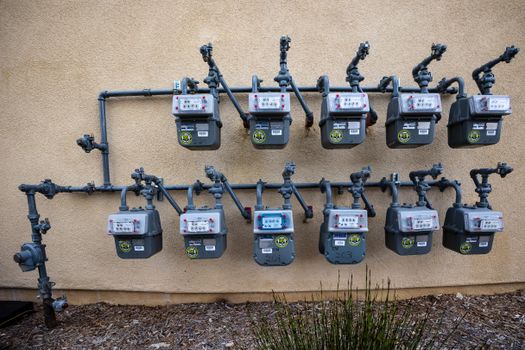 Photo: David Brown / Pexels
For many households across the US, the monthly energy bill arrives with a mix of dread and confusion. It's often seen as an unavoidable expense, a complex document filled with jargon and numbers that seem designed to obscure rather than clarify. However, taking the time for
understanding energy bills is not just an academic exercise; it's a powerful first step towards gaining control over your household budget and making informed decisions about your energy consumption. This section will meticulously break down the typical components of a utility statement, transforming it from an enigma into an understandable roadmap.
At its core, your energy bill is a record of the energy you've consumed and the associated costs. While the exact layout and terminology may vary slightly between different utility providers and states, several key sections are universally present. The 'Account Summary' is usually at the top, providing a quick glance at your previous balance, current charges, and the total amount due. This is where you'll find your account number, the billing period, and the due date – critical information for payments and inquiries. Immediately following this, you'll typically find the 'Usage Details' section. This is arguably the most important part for understanding your consumption. For electricity, it will show your usage in kilowatt-hours (kWh), often accompanied by a graph illustrating your consumption trends over several months or even a year. For natural gas, usage is usually measured in therms or CCFs (hundred cubic feet). Understanding these units is fundamental; a kWh is the energy consumed by a 1,000-watt appliance running for one hour, while a therm is a unit of heat energy. Comparing your current usage to previous periods can highlight anomalies or patterns, such as increased consumption during colder months due to heating or warmer months due to air conditioning.
Beyond just the raw usage numbers, your bill will detail the 'Charges Breakdown.' This is where the complexity often arises. You'll typically see charges categorized into two main groups: 'Supply Charges' and 'Delivery Charges.' Supply charges represent the cost of the actual electricity or natural gas commodity itself. In some deregulated markets, you might have chosen your energy supplier, and this section will reflect their rates. Delivery (or transmission/distribution) charges, on the other hand, cover the cost of getting that energy from the power plant or gas pipeline to your home. This includes maintaining the infrastructure – the power lines, transformers, gas pipes – and the operational costs of the utility company. These charges are typically regulated and apply regardless of your chosen supplier. Within these categories, you'll encounter various line items such as 'Customer Charge' (a fixed monthly fee), 'Distribution Charge,' 'Transmission Charge,' 'Generation Charge,' and potentially 'Fuel Adjustment Clauses' or 'Purchased Gas Adjustments' which reflect fluctuations in the cost of fuel for power generation or natural gas. Furthermore, state and local taxes, environmental surcharges, and energy efficiency program fees are often itemized. Each of these components contributes to your final total, and knowing what each one signifies is crucial for identifying areas where you might be able to save. For instance, a high 'Generation Charge' might suggest higher overall energy usage, while a significant 'Distribution Charge' is a fixed cost that's harder to influence directly. By dissecting each line item, you move closer to becoming an informed energy consumer, capable of challenging discrepancies or exploring alternative options. This detailed analysis of your energy statement is the bedrock of effective energy management and cost reduction.
Key Factors Influencing Your Monthly Energy Expenditure
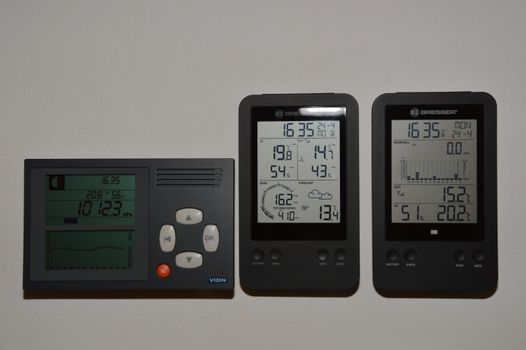 Photo: Ulrick Trappschuh / Pexels
Once you've mastered the art of reading your energy bill, the next logical step is to understand what drives those numbers up or down. Your monthly energy expenditure isn't a random figure; it's the culmination of numerous interconnected factors, some within your control and others influenced by external forces. Grasping these influences is paramount for anyone aiming to reduce their utility costs effectively. This section will explore the primary determinants of your energy consumption and, consequently, your bill.
One of the most significant external factors is the weather. Extreme temperatures, whether scorching summers or freezing winters, directly correlate with increased energy use. During summer, air conditioning units work harder and longer to maintain comfortable indoor temperatures, leading to higher electricity consumption. Conversely, in winter, heating systems – whether electric furnaces, heat pumps, or natural gas heaters – operate more frequently to combat the cold, driving up either electricity or gas bills. The severity and duration of these extreme weather events can dramatically impact your usage compared to milder periods. Beyond just temperature, factors like humidity can also affect AC efficiency, and strong winds can lead to heat loss in poorly insulated homes. Therefore, comparing your current bill to the same month in previous years, while accounting for weather variations, can offer valuable insights.
Another critical factor is the efficiency and age of your appliances and HVAC systems. Older refrigerators, washing machines, dryers, dishwashers, and especially heating and cooling units, are often significantly less energy-efficient than their modern counterparts. An outdated furnace or air conditioner might consume twice as much energy to provide the same level of comfort as a new, Energy Star-rated model. Similarly, incandescent light bulbs consume far more electricity than LED alternatives. Even seemingly minor appliances, when left plugged in and drawing 'phantom load' (standby power), can contribute to your overall consumption. Understanding the energy footprint of each major appliance in your home is crucial. Many utilities offer energy audits, sometimes free or at a reduced cost, which can pinpoint energy inefficiencies in your home and recommend upgrades. These audits often reveal that improving insulation, sealing air leaks, or upgrading windows can have a more profound impact on energy savings than simply turning off lights.
Your personal habits and lifestyle choices also play a substantial role. Leaving lights on in unoccupied rooms, setting your thermostat to extreme temperatures, taking long hot showers, frequently opening the refrigerator door, or running dishwashers and washing machines with partial loads all contribute to higher energy usage. Conversely, adopting energy-conscious habits, such as unplugging electronics when not in use, using natural light, washing clothes in cold water, and adjusting your thermostat by just a few degrees, can collectively lead to significant savings. Furthermore, the number of occupants in a household and their daily routines (e.g., working from home vs. commuting) directly influence the duration and intensity of energy use. For instance, a household with multiple people working or schooling from home will likely have higher daytime energy consumption than one where everyone is out during the day. By recognizing and modifying these behavioral patterns, homeowners can exert direct control over a substantial portion of their energy costs, making informed choices that align with both their comfort and their budget.
Strategies for Reducing Your Energy Consumption and Costs
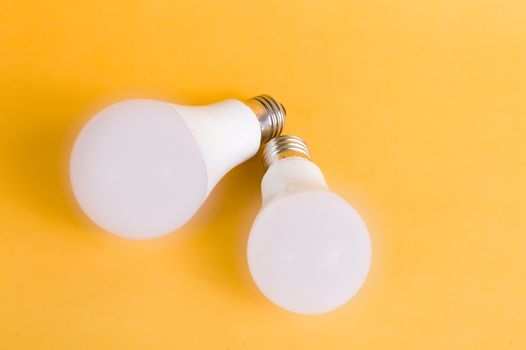 Photo: Riki Risnandar / Pexels
With a clear understanding of your energy bill and the factors that influence it, the next logical step is to implement strategies to reduce your consumption and ultimately lower your costs. This isn't just about cutting back; it's about optimizing your energy use to achieve the same or better results with less waste. This section will provide actionable strategies, ranging from simple behavioral changes to more significant home improvements, all aimed at helping you save money.
One of the most immediate and impactful strategies involves optimizing your thermostat settings. Heating and cooling typically account for the largest portion of a household's energy bill. During winter, set your thermostat as low as comfortably possible, ideally around 68°F (20°C) during the day and even lower at night or when you're away. In summer, aim for as high as comfortably possible, typically around 78°F (26°C). A programmable or smart thermostat can automate these adjustments, learning your schedule and optimizing temperatures without constant manual intervention. For every degree you adjust your thermostat, you can save 1-3% on your heating or cooling costs. Complement this by ensuring your HVAC system is regularly maintained; clean filters alone can improve efficiency by 5-15%. Consider also the strategic use of ceiling fans, which can make a room feel several degrees cooler without significantly impacting your electricity bill, allowing you to raise your thermostat setting slightly during warmer months.
Another powerful strategy involves addressing your home's envelope – its insulation, windows, and air sealing. A significant amount of energy is lost through drafts, poorly insulated walls, attics, and old windows. Sealing air leaks around windows, doors, and utility penetrations with caulk and weatherstripping is a low-cost, high-impact improvement. Upgrading attic insulation to recommended R-values can drastically reduce heat transfer, keeping your home warmer in winter and cooler in summer. While replacing old, single-pane windows with energy-efficient double or triple-pane windows can be a significant investment, the long-term savings and improved comfort often justify the cost. For those not ready for full window replacement, consider heavy curtains or blinds that can be closed during extreme temperatures to provide an extra layer of insulation. These improvements not only reduce your energy consumption but also enhance the overall comfort and value of your home, making it a more pleasant place to live.
Investing in energy efficiency pays dividends over time.
Finally, a multitude of smaller, everyday habits and appliance choices can collectively lead to substantial savings. Unplug 'energy vampires' – electronics that draw power even when turned off, such as phone chargers, TVs, and computers. Switch to LED lighting throughout your home; LEDs use up to 90% less energy than incandescent bulbs and last much longer. When purchasing new appliances, always look for the Energy Star label, indicating superior energy efficiency. Use energy-intensive appliances like dishwashers and washing machines during off-peak hours if your utility offers time-of-use rates. Wash clothes in cold water whenever possible, and air-dry them if feasible. By adopting a holistic approach that combines smart thermostat use, home envelope improvements, and conscious appliance management, you can significantly reduce your energy footprint and enjoy a noticeably lower monthly energy bill. These strategies are not just about saving money; they're also about contributing to a more sustainable future.
Common Mistakes and Smart Tips for Energy Bill Management
Photo: Riki Risnandar / Pexels
Navigating energy bills and managing consumption can be tricky, and it's easy to fall into common pitfalls that lead to higher costs. Conversely, adopting smart, often simple, tips can unlock significant savings. This section highlights frequent mistakes to avoid and provides practical advice for effective energy bill management.
**Common Mistakes to Avoid:**
* **Ignoring your bill:** Simply paying without reviewing the details means you miss opportunities to identify errors, track usage trends, or understand rate changes. This passive approach prevents proactive management.
* **Setting 'set it and forget it' thermostats:** While convenient, a static thermostat setting doesn't account for daily routines or unoccupied periods, leading to unnecessary heating or cooling.
* **Overlooking phantom load:** Many electronics consume power even when off or in standby mode. This 'vampire drain' can add up to 5-10% of your electricity bill annually.
* **Neglecting appliance maintenance:** Dirty HVAC filters, uncleaned refrigerator coils, or leaky ducts force appliances to work harder, consuming more energy and shortening their lifespan.
* **Not comparing energy providers (in deregulated markets):** If you live in a state with energy choice, sticking with your default provider without comparing rates could mean you're paying more than necessary for your electricity or natural gas supply.
* **Underestimating the impact of water heating:** Heating water is a significant energy consumer. Long, hot showers or running dishwashers and washing machines with hot water unnecessarily can inflate bills.
**Smart Tips for Effective Energy Bill Management:**
* **Conduct a home energy audit:** Many utilities offer free or low-cost audits to identify energy inefficiencies. This provides a tailored roadmap for improvements.
* **Utilize smart power strips:** These strips cut power to devices when they're turned off or in standby, eliminating phantom load.
* **Optimize water heating:** Lower your water heater's thermostat to 120°F (49°C), insulate the tank, and consider low-flow showerheads. Wash clothes in cold water.
* **Leverage natural light and ventilation:** Open blinds and curtains during the day to use sunlight for warmth and illumination. Open windows on cooler evenings for natural ventilation.
* **Seal drafts and air leaks:** Use caulk, weatherstripping, and foam sealant to block drafts around windows, doors, outlets, and plumbing penetrations. This is a low-cost, high-impact improvement.
* **Understand peak vs. off-peak rates:** If you have time-of-use billing, shift energy-intensive activities (laundry, dishwashing) to off-peak hours when rates are lower.
* **Monitor your usage regularly:** Many utilities offer online portals or apps to track your daily or hourly energy consumption. This real-time data empowers you to make immediate adjustments.
* **Explore utility programs and incentives:** Check your utility's website for rebates on energy-efficient appliances, insulation upgrades, or demand-response programs that reward you for reducing usage during peak times.
By actively avoiding common mistakes and proactively implementing these smart tips, you can transform your approach to energy consumption, leading to a more comfortable home and a lighter impact on your wallet.
