✓ Geothermal heating systems typically cost between $20,000 and $45,000 to install in the US.
✓ They can reduce heating and cooling costs by 25-70% compared to traditional systems.
✓ Federal tax credits (26% through 2032) significantly offset initial installation expenses.
✓ Geothermal systems have a lifespan of 20-25 years for indoor components and over 50 years for the ground loop.
How It Works
1
Heat Exchange with Earth
A network of underground pipes, called a ground loop, circulates a fluid that absorbs heat from the stable temperature of the earth. This process works year-round, regardless of surface air temperatures.
2
Heat Pump Compression
The warmed fluid travels to an indoor geothermal heat pump. Here, a compressor increases the temperature of the absorbed heat to a usable level for your home's heating system.
3
Heat Distribution
The now-heated air or water is distributed throughout your home via your existing ductwork or radiant floor heating. In summer, the process reverses, extracting heat from your home and transferring it back to the cooler earth.
4
Continuous & Efficient Cycle
This cycle continuously provides efficient heating and cooling, leveraging the earth's constant temperature. It requires minimal electricity to operate the heat pump and circulating pumps, making it highly energy-efficient.
The Initial Investment: What Drives the Cost of Geothermal Heating?
Photo: Miriam Espacio / Pexels
When considering the cost of geothermal heating, the initial outlay is often the first, and sometimes most daunting, aspect homeowners evaluate. While it's true that geothermal systems typically have a higher upfront cost than conventional HVAC systems, understanding the components that contribute to this price tag is crucial for a comprehensive assessment. The total installation cost for a residential geothermal system in the US generally ranges from $20,000 to $45,000, with some projects potentially exceeding this depending on complexity and home size. This range encompasses several key factors.
Primarily, the largest portion of the cost is attributed to the ground loop installation. This involves excavation and the laying of extensive piping either horizontally or vertically into the earth. Horizontal loops, which are generally less expensive, require more land area and shallower trenches. Vertical loops, on the other hand, are ideal for smaller lots but necessitate specialized drilling equipment, driving up the cost. The geology of your property also plays a significant role; rocky terrain, for instance, makes drilling more challenging and expensive than soft soil. The size and heating/cooling load of your home directly influence the length and configuration of the ground loop required, further impacting excavation and material costs.
Beyond the ground loop, the geothermal heat pump unit itself is a substantial expense. These highly efficient units are engineered to last significantly longer than traditional furnaces or air conditioners, contributing to their higher price point. The size and capacity of the heat pump must be meticulously calculated to match your home's specific energy demands. Oversizing or undersizing can lead to inefficiencies or inadequate performance, making professional assessment indispensable. Furthermore, the installation process includes connecting the heat pump to your home's existing ductwork or hydronic system, electrical wiring, and potentially upgrading or modifying these systems for optimal performance. Labor costs, which vary by region and installer expertise, also form a significant part of the overall initial investment. While the upfront cost can seem substantial, it's vital to view this as a long-term investment in your home's energy infrastructure, offering significant future returns. Understanding energy efficiency is key to appreciating this value proposition.
Unlocking Long-Term Savings: Operational Costs and ROI
Photo: Riki Risnandar / Pexels
While the initial cost of geothermal heating might be higher, the operational savings are where these systems truly shine, offering a compelling return on investment (ROI) over their lifespan. Geothermal systems are remarkably efficient, typically operating at 300-500% efficiency, meaning they deliver 3 to 5 units of heat energy for every 1 unit of electrical energy consumed. This stands in stark contrast to even the most efficient conventional furnaces, which rarely exceed 95% efficiency, or air conditioners that might achieve SEER ratings in the high teens. This exceptional efficiency translates directly into substantially lower monthly utility bills for both heating and cooling.
Homeowners often report reducing their heating and cooling costs by 25-70% compared to traditional fossil fuel or electric resistance systems. The exact percentage depends on various factors, including your home's insulation, local climate, and your previous heating and cooling methods. For instance, a homeowner switching from an oil furnace in a cold climate will likely see more dramatic savings than someone upgrading from a relatively new, high-efficiency natural gas furnace in a mild climate. The stability of ground temperatures, which remain constant year-round, means the system isn't battling extreme outdoor air temperatures, leading to consistent performance and energy consumption regardless of the season's severity. This consistency is a major advantage over air-source heat pumps, which see their efficiency drop as outside temperatures plummet.
Calculating the ROI for a geothermal system involves considering these annual savings against the initial investment, factoring in any applicable tax credits and rebates. While payback periods can vary, many homeowners see their investment recouped within 5 to 10 years, sometimes even sooner with generous incentives. After the payback period, the savings continue for the remaining 40-50+ year lifespan of the ground loop and 20-25 year lifespan of the indoor heat pump, essentially providing free heating and cooling for decades. Furthermore, geothermal systems have fewer moving parts exposed to the elements, leading to lower maintenance costs and a longer operational life than conventional HVAC systems. This longevity further enhances their economic appeal, making them a wise financial decision for homeowners looking to reduce their long-term energy expenditures and increase their property value.
Government Incentives and Financing Options to Reduce Your Burden
Photo: Atlantic Ambience / Pexels
Understanding the cost of geothermal heating isn't complete without exploring the substantial financial incentives and flexible financing options available that can dramatically reduce your out-of-pocket expenses. The federal government, recognizing the environmental and energy security benefits of geothermal technology, offers significant support. The most impactful is the federal tax credit for residential renewable energy systems, which currently stands at 26% of the installed cost of a geothermal heat pump system. This credit is available through 2032, stepping down to 22% in 2033 and 2034. This is a direct dollar-for-dollar reduction in your tax liability, not just a deduction, making it an incredibly powerful incentive. For a $30,000 system, a 26% credit equates to a $7,800 reduction in your tax bill, bringing the effective cost down significantly.
Beyond federal incentives, many states, municipalities, and even local utilities offer their own programs to encourage geothermal adoption. These can include additional tax credits, rebates, grants, or low-interest loan programs. The specific availability and value of these incentives vary widely by location, so it's crucial for homeowners to research what's available in their specific area. Websites like the Database of State Incentives for Renewables & Efficiency (DSIRE) are excellent resources for finding up-to-date information on local programs. Combining federal, state, and utility incentives can often shave tens of thousands of dollars off the total installation cost, making geothermal systems much more financially accessible.
Financing options also play a critical role in making geothermal heating affordable. Many lenders offer specialized 'green energy' loans or Property Assessed Clean Energy (PACE) programs, which allow homeowners to finance energy-efficient upgrades through their property taxes. Traditional home equity loans or lines of credit can also be utilized. Some geothermal installers even partner with specific financing companies to provide tailored loan products with favorable terms. Exploring these options can help spread the initial investment over a manageable period, allowing the monthly energy savings to offset or even exceed the loan payments. This approach transforms the upfront cost into a manageable monthly expense that is often less than what you would have been paying for traditional energy, effectively making the transition cash-flow positive from day one. Investing in renewable energy has never been more supported.
Common Mistakes to Avoid and Tips for a Successful Geothermal Project
Photo: RDNE Stock project / Pexels
Embarking on a geothermal heating project requires careful planning to ensure a successful outcome and maximize your investment. Avoiding common pitfalls can save you significant time, money, and frustration.
**Common Mistakes to Avoid:**
* **Underestimating Site Assessment:** Skipping a thorough geological and hydrological survey can lead to inefficient loop design or unexpected drilling challenges, increasing costs and reducing performance. Always insist on a professional site evaluation.
* **Choosing the Wrong Installer:** Geothermal installation is specialized. Selecting a contractor without specific geothermal experience or proper certifications (like IGSHPA accreditation) can result in poor design, faulty installation, and warranty issues. Always check references and credentials.
* **Ignoring Home Energy Audit:** Installing geothermal without first addressing major air leaks or inadequate insulation in your home is like pouring water into a leaky bucket. Optimize your home's envelope first to reduce the required system size and overall cost.
* **Focusing Solely on Upfront Cost:** While important, fixating only on the lowest bid can lead to compromises in system quality, efficiency, and long-term reliability. Evaluate bids based on comprehensive value, including efficiency ratings, warranty, and installer reputation.
* **Neglecting Maintenance Plan:** Though low-maintenance, geothermal systems still benefit from periodic check-ups. Ignoring this can lead to diminished performance and potentially costly repairs down the line.
**Tips for a Successful Geothermal Project:**
* **Get Multiple Bids:** Obtain at least three detailed quotes from reputable, experienced geothermal contractors. Compare not just the price, but also the proposed system design, equipment specifications, warranties, and estimated energy savings.
* **Understand the System Design:** Ask your contractor to explain the proposed ground loop type (horizontal, vertical, pond, open loop), heat pump size, and how it integrates with your existing HVAC. A well-informed homeowner can make better decisions.
* **Verify Incentives:** Confirm all federal, state, and local incentives with your chosen contractor and verify your eligibility. Keep meticulous records for tax purposes.
* **Plan for Disruption:** Ground loop installation can be disruptive to your yard. Discuss the project timeline and site restoration expectations with your contractor beforehand.
* **Consider Hot Water Integration:** Many geothermal systems can be equipped with a desuperheater to provide supplemental domestic hot water, further increasing your energy savings. Inquire about this option during the planning phase. By following these tips, you can navigate the complexities of geothermal installation with confidence and ensure your investment pays off for decades to come.
Comparison
Feature
Geothermal Heat Pump
High-Efficiency Furnace (Gas)
Air-Source Heat Pump
Upfront Cost (Avg.)
$20,000 - $45,000
$4,000 - $8,000
$6,000 - $12,000
Operating Cost
Very Low (25-70% savings)
Moderate (depends on gas prices)
Moderate (efficiency drops in cold)
Efficiency
300-500% (COP 3-5)
80-98% AFUE
18-22 SEER / 7-10 HSPF
Lifespan (Ground Loop)
50+ years
N/A
N/A
Lifespan (Indoor Unit)
20-25 years
15-20 years
10-15 years
Federal Tax Credit
✓ (26%)
✗
✓ (up to $2,000)
Environmental Impact
Very Low
High (fossil fuel)
Low (but less than geo)
Noise Level
Very Quiet
Moderate
Moderate (outdoor unit)
What Readers Say
★★★★★
"The initial cost of geothermal heating was a big hurdle, but with the tax credits, it became much more manageable. Our energy bills have plummeted, and the house is so much more comfortable year-round. It's truly a game-changer."
Sarah P. · Boulder, CO
★★★★★
"We replaced our old oil furnace, and the difference in our heating costs is astounding. While the upfront geothermal cost was significant, the monthly savings are already proving its worth. The installation team was professional and efficient."
Mark T. · Minneapolis, MN
★★★★★
"Our electricity bill used to spike in the summer with AC. Since installing geothermal, our cooling costs are nearly cut in half. The system maintains a consistent temperature without the constant cycling we used to experience. Highly recommend for the long-term savings!"
Emily R. · Austin, TX
★★★★★
"The installation took a bit longer than expected due to some rocky soil, which added a bit to the cost. However, the system is incredibly quiet and efficient. We're seeing great savings on our utility bills, and the comfort level is unmatched."
David L. · Portland, OR
★★★★★
"As a new build, we decided to invest in geothermal from the start. The cost was built into our mortgage, and our energy bills are consistently low, even in harsh winters. It's peace of mind knowing we're using clean energy and saving money."
Jessica M. · rural Pennsylvania
Frequently Asked Questions
What is the average cost of geothermal heating system installation?
The average cost of a residential geothermal heating system installation in the US typically ranges from $20,000 to $45,000. This price varies based on factors like home size, ground loop type (horizontal vs. vertical), soil conditions, and regional labor costs. However, significant federal and often state/local incentives can substantially reduce the net cost.
Is the high upfront cost of geothermal heating worth it?
While the initial investment is higher than traditional systems, the long-term operational savings and extended lifespan often make geothermal heating a worthwhile investment. Homeowners typically recoup their investment through reduced energy bills within 5-10 years, especially when considering available tax credits and rebates, leading to decades of low-cost heating and cooling.
How can I reduce the cost of my geothermal heating system?
You can significantly reduce the net cost by taking advantage of the 26% federal tax credit for renewable energy. Additionally, research state, local, and utility-specific rebates or grant programs. Ensuring your home is well-insulated and sealed before installation can also allow for a smaller, less expensive system.
What are the ongoing maintenance costs for geothermal heating?
Geothermal systems are known for their low maintenance. The underground loop has a lifespan of 50+ years and requires virtually no maintenance. The indoor heat pump unit typically needs annual filter changes and a professional check-up every 3-5 years, comparable to or even less than conventional HVAC systems.
How does the cost of geothermal heating compare to air-source heat pumps?
Geothermal heat pumps have a higher upfront installation cost than air-source heat pumps. However, geothermal systems are significantly more efficient, especially in extreme temperatures, leading to lower operational costs and greater long-term savings. They also have a much longer lifespan for both the indoor unit and the ground loop.
Who should consider investing in a geothermal heating system?
Homeowners looking for significant long-term energy savings, increased home comfort, and a reduced carbon footprint should consider geothermal. It's particularly appealing for new constructions, homes with ample land for horizontal loops, or those replacing aging, inefficient HVAC systems where the upfront cost can be more easily justified by decades of savings.
Are there any hidden costs associated with geothermal heating?
Hidden costs are rare if you work with a reputable installer who provides a detailed quote. Potential unexpected costs could arise from unforeseen ground conditions during drilling (e.g., hitting bedrock), or if your existing ductwork requires extensive modification. A thorough site assessment and a comprehensive contract can help mitigate these risks.
What is the future outlook for the cost of geothermal heating?
The cost of geothermal heating is expected to become more competitive over time due to technological advancements, increased installer experience, and potential economies of scale. Government incentives are likely to continue, reflecting a broader push towards renewable energy, making geothermal an increasingly attractive and accessible option for homeowners.
While the initial cost of geothermal heating represents a significant investment, the long-term savings, environmental benefits, and available incentives make it a smart choice for many homeowners. Evaluate your options, secure incentives, and start enjoying unparalleled comfort and drastically reduced utility bills for decades to come.

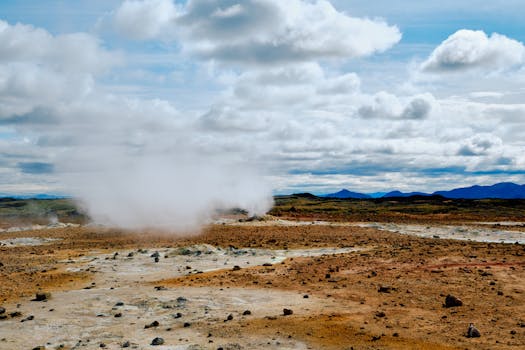 Photo: Miriam Espacio / Pexels
 Photo: Riki Risnandar / Pexels
 Photo: Atlantic Ambience / Pexels
 Photo: RDNE Stock project / Pexels