✓ Renewable energy now accounts for over 20% of US electricity generation.
✓ Solar and wind power are the fastest-growing renewable energy technologies.
✓ Hydropower remains the largest source of renewable electricity globally.
✓ Geothermal energy utilizes the Earth's internal heat for continuous power.
How It Works
1
Harnessing Nature's Power
Renewable energy sources derive from natural processes that are continuously replenished. Unlike fossil fuels, they do not deplete over time.
2
Conversion to Usable Energy
Specialized technologies convert these natural resources into electricity or heat. This involves processes like photovoltaic conversion for solar or kinetic energy capture for wind.
3
Integration into Grids
The generated energy is then fed into national or local power grids. This allows for distribution to homes, businesses, and industries.
4
Sustainable Energy Future
By utilizing these sources, we reduce reliance on finite resources and decrease greenhouse gas emissions. This contributes to a cleaner, more sustainable future for all.
Solar Power: Tapping into the Sun's Abundance
Photo: Michael Pointner / Pexels
Solar power, arguably the most recognized among the types of renewable energy sources, harnesses the incredible energy radiated by the sun. This energy can be captured and converted into electricity or heat through various technologies. The primary method for electricity generation is photovoltaics (PV), where semiconductor materials convert sunlight directly into direct current (DC) electricity. These PV panels, often seen on rooftops or in large solar farms, are composed of numerous solar cells. When photons from sunlight strike the solar cells, they knock electrons loose from their atoms, creating an electric current. This DC electricity is then typically converted into alternating current (AC) by an inverter for use in homes and businesses or for feeding into the grid.
Another significant application of solar energy is concentrated solar power (CSP). CSP systems use mirrors to focus sunlight onto a receiver, heating a fluid to high temperatures. This heated fluid then generates steam, which drives a turbine to produce electricity, similar to conventional thermal power plants. CSP plants often include thermal energy storage systems, allowing them to generate electricity even after the sun has set. Beyond electricity, solar thermal collectors are widely used for heating water in residential and commercial buildings, and passive solar design principles are integrated into architecture to heat and light structures naturally. The US has seen a massive surge in solar adoption, driven by falling costs, technological advancements, and supportive government policies. From utility-scale projects in desert regions to small residential installations, solar power is rapidly expanding its footprint. The benefits are substantial, including reduced electricity bills, decreased carbon emissions, and enhanced energy independence. However, challenges remain, such as intermittency (solar only works when the sun shines) and the need for efficient energy storage solutions. Despite these, solar power stands as a cornerstone of the renewable energy transition, offering a clean, virtually limitless energy supply. It plays a crucial role in the broader discussion about sustainable energy solutions and reducing our reliance on fossil fuels. The continuous innovation in materials science and manufacturing processes promises even greater efficiency and affordability for solar technologies in the years to come, solidifying its position as a leading renewable energy source.
Wind Energy: Harnessing the Invisible Force
Photo: Scott Platt / Pexels
Wind energy is another prominent and rapidly expanding member of the types of renewable energy sources, utilizing the kinetic energy of moving air to generate electricity. Wind turbines, often towering structures with massive blades, are the primary technology used to capture this energy. As wind passes over the turbine blades, it creates aerodynamic lift, causing the rotor to spin. This rotational energy is then transferred through a shaft to a generator, which converts the mechanical energy into electricity. Modern wind turbines are highly sophisticated, designed to operate efficiently across a range of wind speeds and often equipped with sensors to optimize blade pitch and yaw direction for maximum power output. Wind farms, consisting of many turbines, can be found both on land (onshore) and offshore.
Onshore wind farms are typically located in windy, open areas, often in rural landscapes or along ridge lines. They benefit from relatively easier installation and maintenance compared to their offshore counterparts. Offshore wind farms, built in coastal waters, tap into stronger and more consistent winds, leading to higher capacity factors and greater electricity generation. While offshore projects face more complex engineering and higher initial costs, their potential for large-scale power production is immense. The US has significant wind resources, particularly in the Great Plains states and along its coastlines, leading to substantial investment and growth in the sector. Wind power offers numerous environmental advantages, including zero greenhouse gas emissions during operation and minimal water consumption. Economically, it can provide stable electricity prices and create numerous jobs in manufacturing, installation, and maintenance. Like solar, wind energy is intermittent; turbines only produce power when the wind blows. This necessitates grid integration strategies that can manage fluctuations, often involving advanced forecasting, energy storage, and smart grid technologies. Despite these challenges, continuous innovation in turbine design, materials, and offshore foundation technologies is making wind power increasingly competitive and a vital component of the global shift towards renewable energy. Its scalable nature and environmental benefits position it as a critical player in achieving a sustainable energy future, complementing other renewable sources in a diversified energy portfolio.
Hydropower: The Enduring Power of Water
Photo: Eva Bronzini / Pexels
Hydropower, or hydroelectric power, stands as one of the oldest and most established types of renewable energy sources, leveraging the force of moving water to generate electricity. This technology has been in use for centuries, initially for mechanical tasks like grinding grain, and now predominantly for large-scale electricity generation. The most common form of hydropower involves building a dam across a river, creating a reservoir. Water stored in this reservoir is then released through control gates, flowing down a penstock (a large pipe) and spinning a turbine. The turbine, in turn, drives a generator to produce electricity. The amount of electricity generated depends on the volume of water and the height from which it falls (the 'head').
Beyond conventional dam-based systems, other forms of hydropower exist. Run-of-river systems divert a portion of a river's flow through a canal or pipeline to a powerhouse, then return it to the river downstream, without the need for a large reservoir. Pumped-hydro storage (PHS) is another crucial application, although it's primarily an energy storage technology rather than a net generator of energy. PHS systems use excess electricity from other sources (like wind or solar) to pump water uphill to an upper reservoir. When electricity demand is high, the water is released back down through turbines to generate power. This acts as a giant battery for the grid. Hydropower offers significant advantages: it's a dispatchable source of power, meaning its output can be controlled to meet demand, and reservoirs can provide additional benefits like flood control, irrigation, and recreation. It has a high capacity factor and a long operational lifespan. However, large-scale hydropower projects can have considerable environmental and social impacts, including altered river ecosystems, displacement of communities, and methane emissions from reservoirs. Modern projects emphasize minimizing these impacts through better design and environmental mitigation strategies. Despite these considerations, hydropower remains a critical component of the global renewable energy mix, providing stable, reliable, and low-carbon electricity, and offering valuable grid stability services. Understanding its role is essential for a comprehensive view of renewable energy infrastructure and its future development.
Geothermal and Bioenergy: Harnessing Earth's Heat and Organic Matter
Photo: Budget Bizar / Pexels
Beyond the more widely known solar, wind, and hydro, geothermal and bioenergy represent other crucial types of renewable energy sources, each with unique characteristics and applications. Geothermal energy taps into the Earth's internal heat, which is a vast and continuous energy reservoir. In certain regions, hot water and steam from deep within the Earth can be brought to the surface and used to drive turbines for electricity generation. This process is highly reliable, offering a constant, 'baseload' power supply that is not dependent on weather conditions. Geothermal power plants typically draw hot water or steam from geothermal reservoirs, use it to produce electricity, and then inject the cooled water back into the Earth to be reheated. Beyond electricity, geothermal heat pumps utilize the stable temperature of the Earth near the surface for heating and cooling buildings, offering highly efficient climate control. The US is a global leader in geothermal electricity generation, particularly in states like California and Nevada, where geological conditions are favorable. While geographically limited to areas with accessible geothermal reservoirs, its potential where available is immense, offering a stable and low-carbon energy source.
Bioenergy, on the other hand, is derived from organic matter, known as biomass. This can include agricultural waste, forestry residues, energy crops, animal manure, and municipal solid waste. Bioenergy can be converted into various forms of energy: heat, electricity, or liquid fuels (biofuels). Biomass can be directly combusted to produce heat and steam, which then drives turbines for electricity generation. It can also be converted into biogas through anaerobic digestion, a process that breaks down organic matter in the absence of oxygen, producing methane that can be burned for energy. Biofuels like ethanol and biodiesel are produced from crops such as corn, sugarcane, or algae and are used as alternatives to gasoline and diesel in transportation. The carbon neutrality of bioenergy is often debated; while burning biomass releases CO2, proponents argue that the carbon released was recently absorbed by the plants, creating a closed carbon cycle if managed sustainably. However, factors like land-use change, energy input for cultivation, and processing can impact its net environmental footprint. Bioenergy offers a way to manage waste and provide energy, especially in sectors difficult to electrify, but its sustainable implementation requires careful consideration of resource availability and environmental impacts. Both geothermal and bioenergy contribute significantly to diversifying the portfolio of renewable energy sources, offering unique solutions for different energy needs and regional contexts.
Challenges and Opportunities for Renewable Energy Growth in the US
The transition to a predominantly renewable energy grid in the US, while promising, is not without its challenges. One of the primary hurdles for types of renewable energy sources like solar and wind is intermittency. The sun doesn't always shine, and the wind doesn't always blow, leading to fluctuations in power generation. This variability demands sophisticated grid management, robust energy storage solutions, and flexible backup power. Advancements in battery technology, particularly lithium-ion, and emerging solutions like flow batteries and compressed air energy storage, are crucial for overcoming this. Furthermore, expanding and modernizing the existing electricity grid is essential to efficiently transmit renewable power from remote generation sites (like wind farms in the Midwest or solar farms in the Southwest) to distant demand centers. This requires significant investment in new transmission lines, often facing regulatory and community opposition.
Another challenge lies in the initial capital costs for large-scale renewable projects, although these costs have been rapidly declining. While operational costs are often lower than fossil fuels, the upfront investment can be substantial. Policy support, such as tax credits, grants, and renewable portfolio standards, plays a vital role in de-risking these investments and accelerating deployment. Land use is also a consideration; large solar farms and wind farms require significant acreage, which can lead to conflicts with agriculture, wildlife habitats, or local communities. Careful siting and environmental impact assessments are critical to mitigate these issues.
Despite these challenges, the opportunities for renewable energy growth in the US are immense. Technological innovation continues to drive down costs and improve efficiency, making renewables increasingly competitive. The growing public awareness of climate change and the desire for energy independence are fueling demand. The decentralization of energy generation, with rooftop solar and community solar projects, empowers consumers and enhances grid resilience. Furthermore, the development of green hydrogen, produced using renewable electricity, offers a promising pathway for decarbonizing heavy industry and long-haul transportation. The US government's commitment to clean energy targets, coupled with private sector investment, creates a fertile ground for continued expansion. By addressing the challenges with strategic planning, technological innovation, and supportive policies, the US can fully unlock the potential of these diverse types of renewable energy sources, leading to a cleaner, more secure, and economically vibrant energy future.
* **Tip 1: Explore Local Incentives:** Many states and municipalities offer tax credits or rebates for installing renewable energy systems, like solar panels or geothermal heat pumps. Research these programs to maximize your savings.
* **Tip 2: Consider Energy Storage:** For intermittent sources like solar and wind, integrating battery storage can significantly enhance reliability and allow for greater energy independence.
* **Tip 3: Understand Grid Connectivity:** If you're installing a home renewable system, understand the process for connecting to your local grid and net metering policies, which can allow you to sell excess energy back.
* **Tip 4: Diversify Your Energy Mix:** For larger entities or communities, combining different types of renewable energy sources (e.g., solar with wind) can help balance intermittency and provide a more consistent power supply.
* **Tip 5: Prioritize Energy Efficiency First:** Before investing in renewable generation, focus on reducing your overall energy consumption through efficiency upgrades. The cheapest energy is the energy you don't use.
Comparison
Feature
Solar (PV)
Wind (Onshore)
Hydropower (Large-scale)
Geothermal
Intermittency
High (day/night, weather)
High (wind speed)
Low (reservoirs)
Very Low (baseload)
Land Use Impact
Moderate to High
Moderate to High
High (reservoir creation)
Low (small footprint)
CO2 Emissions (operational)
Near Zero
Near Zero
Very Low (reservoir methane)
Very Low
Cost Trends
Rapidly Decreasing
Decreasing
Stable
Stable to Decreasing
Dispatchability
Low (storage needed)
Low (storage needed)
High
High
Regional Availability
Widespread
Widespread (windy areas)
River systems
Geologically active areas
What Readers Say
★★★★★
"Learning about the different types of renewable energy sources completely changed my perspective on our energy future. I'm now actively looking into rooftop solar for my home, thanks to the clear explanations provided here."
Sarah J. · Austin, TX
★★★★★
"This article was incredibly helpful in breaking down complex concepts about renewable energy. It made me realize the potential of wind energy in our region and the grid improvements needed."
Mark D. · Denver, CO
★★★★★
"I've always been interested in sustainable living, and understanding the nuances of hydropower and geothermal energy from this resource gave me concrete results in my research for community energy projects."
Emily R. · Seattle, WA
★★★★★
"While I appreciate the depth on solar and wind, I wish there was a bit more detail on grid-scale battery storage, which is crucial for maximizing these types of renewable energy sources. Still, a fantastic overview."
David L. · Phoenix, AZ
★★★★★
"As an investor in green tech, this article provided an excellent, concise summary of the various types of renewable energy sources and their market potential. Very well-researched and presented."
Carlos M. · Boston, MA
Frequently Asked Questions
What are the most common types of renewable energy sources?
The most common types of renewable energy sources are solar, wind, hydropower, geothermal, and bioenergy. Each harnesses natural processes that are continuously replenished, offering alternatives to fossil fuels for electricity generation, heating, and transportation.
Are renewable energy sources truly reliable given their intermittency?
While some renewable sources like solar and wind are intermittent, their reliability is steadily increasing. This is achieved through advanced grid management, diverse energy portfolios (combining different sources), and rapidly improving energy storage technologies like batteries and pumped-hydro storage. Geothermal and large-scale hydropower offer highly reliable, baseload power.
How can I incorporate renewable energy into my home?
You can incorporate renewable energy into your home primarily through rooftop solar panel installations for electricity generation, or by utilizing geothermal heat pumps for highly efficient heating and cooling. Additionally, many utility providers now offer options to purchase 'green' electricity sourced from renewables.
Is renewable energy more expensive than traditional fossil fuels?
The cost of renewable energy has dramatically decreased over the past decade, with solar and wind now often cheaper than new fossil fuel plants on a levelized cost of energy basis. While initial installation costs can be higher, operational costs are typically very low, and government incentives further improve their economic competitiveness.
How do renewable energy sources compare to nuclear power?
Renewable energy sources like solar and wind produce no radioactive waste and have negligible operational emissions, unlike nuclear power. Nuclear offers baseload, carbon-free power but comes with high upfront costs, long construction times, and challenges related to waste disposal and safety. Renewables are generally more decentralized and flexible in scale.
Who benefits most from adopting types of renewable energy sources?
Everyone benefits from adopting renewable energy sources. Individuals can benefit from lower energy bills and increased energy independence. Governments and societies benefit from reduced greenhouse gas emissions, improved public health, job creation in new industries, and enhanced energy security by diversifying away from volatile fossil fuel markets.
What are the environmental risks associated with renewable energy?
While generally cleaner than fossil fuels, renewable energy sources can have environmental impacts. Large-scale solar and wind farms require land, potentially affecting ecosystems. Hydropower dams can alter river habitats. Manufacturing of components can involve resource extraction. However, these impacts are typically localized and significantly less severe than the global climate change and pollution caused by fossil fuels.
What is the future outlook for types of renewable energy sources in the US?
The future outlook for renewable energy in the US is extremely positive. Driven by technological advancements, falling costs, strong policy support, and increasing public demand, renewables are projected to continue their rapid growth, becoming the dominant source of electricity generation and expanding into transportation and industrial sectors.
Embark on a journey towards a sustainable future by understanding the incredible potential of these diverse types of renewable energy sources. Whether you're a homeowner, a business leader, or simply an engaged citizen, exploring these options is your first step towards a cleaner, more resilient energy landscape. Discover how you can be a part of this transformative shift today.

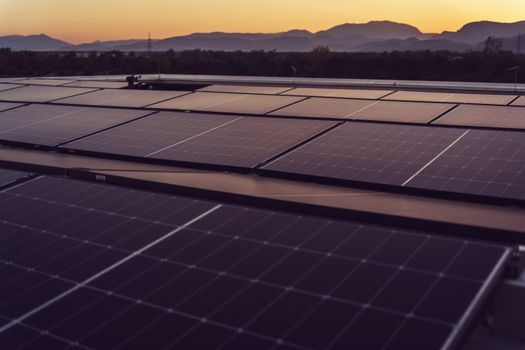 Photo: Michael Pointner / Pexels
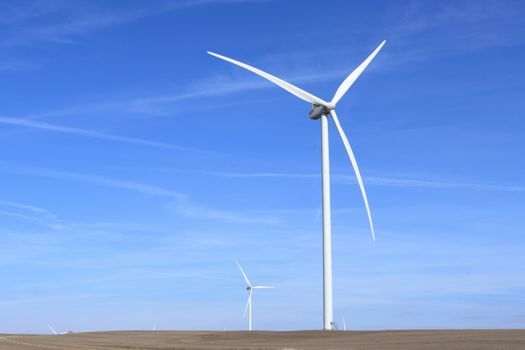 Photo: Scott Platt / Pexels
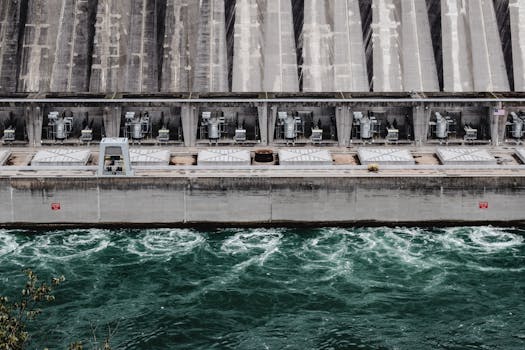 Photo: Eva Bronzini / Pexels
 Photo: Budget Bizar / Pexels