Unlock Savings with Residential Solar Power Systems
residential solar power systems

Unlock Savings with Residential Solar Power Systems

Harness the sun's power to reduce electricity costs, increase your home's value, and contribute to a sustainable future.

Get Your Free Solar Quote Today

Key Takeaways

  • ✓ Residential solar can reduce or eliminate monthly electricity bills.
  • ✓ Federal and state incentives can cover a significant portion of installation costs.
  • ✓ Solar power increases home value by an average of 4.1% nationwide.
  • ✓ Systems typically pay for themselves within 6-10 years through energy savings.

How It Works

1
Sunlight Collection

Solar panels, typically made of photovoltaic (PV) cells, are installed on your roof or property. These cells absorb sunlight and convert it into direct current (DC) electricity.

2
Power Conversion

The DC electricity from the panels flows to an inverter, which is a crucial component. The inverter then converts the DC electricity into alternating current (AC) electricity, which is the type used by all standard home appliances.

3
Home Usage & Grid Connection

The AC electricity powers your home's electrical loads, from lights to appliances. Any excess electricity not immediately used is sent back to the utility grid, often earning you credits through net metering.

4
Monitoring & Storage (Optional)

A monitoring system tracks your solar production and consumption, allowing you to optimize usage. Battery storage can be integrated to store excess energy for use during outages or at night, enhancing energy independence.

The Unmatched Benefits of Home Solar Energy
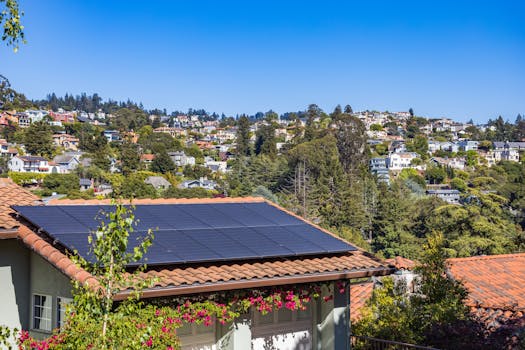
Solar panels on a suburban home, surrounded by lush greenery and a sunny blue sky. Photo: Robert So / Pexels
Embracing residential solar power systems offers a wealth of advantages that extend far beyond simply powering your home. For homeowners across the United States, transitioning to solar energy represents a strategic investment in financial stability, environmental stewardship, and long-term property value. One of the most compelling benefits is the dramatic reduction, or even elimination, of your monthly electricity bills. By generating your own power, you become less reliant on fluctuating utility rates, effectively locking in your energy costs for decades. This predictability is a significant financial boon, especially in an era of rising energy prices. Imagine the freedom of knowing that a substantial portion of your energy consumption is covered by a free, renewable resource. Beyond immediate savings, residential solar systems significantly boost your home's market value. Multiple studies, including those by the National Renewable Energy Laboratory (NREL), consistently show that homes with solar panels sell faster and for a higher price than comparable homes without them. This added value is a tangible asset, making solar an investment that pays dividends both in utility savings and increased equity. Furthermore, the federal government offers the Investment Tax Credit (ITC), allowing homeowners to deduct a significant percentage of the cost of installing a solar energy system from their federal taxes. Many states and local municipalities also provide additional incentives, rebates, and property tax exemptions, further reducing the upfront cost and accelerating your return on investment. These financial incentives are designed to make solar adoption more accessible and affordable for a wider range of homeowners. Environmental impact is another cornerstone of the solar advantage. By choosing solar, you actively reduce your carbon footprint and contribute to a cleaner, more sustainable future. Traditional electricity generation often relies on burning fossil fuels, which release greenhouse gases into the atmosphere. Solar power, in contrast, produces electricity without emissions, mitigating climate change and improving air quality. This commitment to sustainability resonates with a growing number of environmentally conscious consumers and aligns with national efforts to transition to renewable energy sources. Lastly, solar offers enhanced energy independence and security. In an age where grid outages can be disruptive, particularly during extreme weather events, a solar system, especially when paired with battery storage, can provide backup power, keeping essential appliances running when the grid goes down. This resilience offers peace of mind and an added layer of safety for your household. The decision to install solar panels is not just about saving money; it's about building a more secure, sustainable, and valuable home.

Understanding the Components of Your Solar System
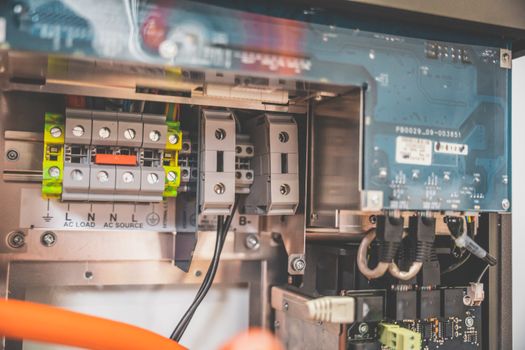
Close-up view of the internal components of a solar inverter showing electrical parts. Photo: Elite Power Group / Pexels
A residential solar power system is more than just panels on a roof; it's a sophisticated energy generation and management system comprised of several key components working in harmony. At the heart of every system are the photovoltaic (PV) solar panels. These panels are typically made from silicon cells that absorb sunlight and convert it into direct current (DC) electricity. The efficiency and durability of these panels vary, with monocrystalline panels generally offering higher efficiency and a sleeker appearance compared to polycrystalline panels, though both are effective. The number of panels required depends on your household's energy consumption, roof space, and local sunlight exposure. Once the sunlight is converted to DC power, it needs to be made usable for your home. This is where the inverter comes in. An inverter is a critical piece of equipment that converts the DC electricity produced by the panels into alternating current (AC) electricity, which is the standard form of electricity used by all household appliances and the national grid. There are generally three types of inverters used in residential settings: string inverters, microinverters, and power optimizers. String inverters connect a series of panels to one central inverter. Microinverters are installed under each panel, converting DC to AC at the panel level, which can improve performance in shaded conditions. Power optimizers are also installed at each panel and work in conjunction with a central string inverter, offering a hybrid solution. The choice of inverter technology significantly impacts system performance, monitoring capabilities, and cost. Beyond the panels and inverter, mounting hardware is essential for securing the panels safely to your roof or ground. This includes racking systems, flashing, and other components designed to withstand various weather conditions and ensure proper panel angle for optimal sun exposure. Electrical wiring connects all the components, from the panels to the inverter, and then to your home's electrical panel and the utility meter. A crucial element for grid-tied systems is the utility meter, often upgraded to a 'net meter.' This specialized meter tracks both the electricity you draw from the grid and the excess electricity your solar system sends back to it. Net metering allows you to earn credits for the power you contribute, which can offset your future electricity bills. Finally, monitoring systems are increasingly standard, allowing homeowners to track their system's performance in real-time, often via a mobile app or web portal. This transparency helps ensure the system is operating optimally and allows for quick identification of any potential issues. While not always mandatory, a

Navigating Solar Incentives and Financing Options
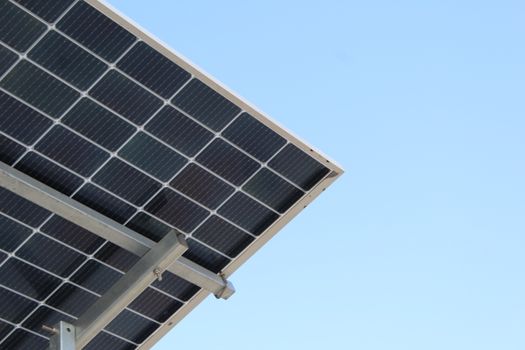
A modern solar panel with a clear blue sky background, highlighting renewable energy. Photo: Dhruvan Patel / Pexels
Investing in residential solar power systems is made significantly more accessible and affordable through a variety of federal, state, and local incentives, as well as flexible financing options. Understanding these mechanisms is key to maximizing your return on investment and making solar a reality for your home. The most prominent federal incentive is the Investment Tax Credit (ITC), also known as the Solar Tax Credit. This credit allows homeowners to deduct 30% of the cost of installing a new solar energy system from their federal taxes. This is a direct dollar-for-dollar reduction in your tax liability, not just a deduction from your taxable income, making it incredibly valuable. The ITC is scheduled to remain at 30% until 2032, after which it will begin to step down, so acting sooner rather than later can ensure you capture the full benefit. Beyond the federal ITC, many states and even some local municipalities offer their own solar incentives. These can include state tax credits, rebates, property tax exemptions (meaning the increased value of your home due to solar won't result in higher property taxes), and sales tax exemptions. Some states also have Solar Renewable Energy Certificates (SRECs), which allow homeowners to earn credits for the clean electricity their systems generate. These credits can then be sold on a market, providing an additional revenue stream. It's crucial for prospective solar owners to research the specific incentives available in their state and local area, as these can vary widely and significantly impact the overall cost and payback period of a system. A reputable solar installer will typically be knowledgeable about these local programs and can help you navigate the application processes. When it comes to financing, homeowners have several options beyond an outright cash purchase. Solar loans are a popular choice, allowing you to own the system immediately while paying it off over time, similar to a mortgage. These loans can be secured (using your home as collateral) or unsecured, and interest rates vary based on your creditworthiness. Another common option is a Power Purchase Agreement (PPA) or a solar lease. With a PPA, a third-party company owns, installs, and maintains the solar system on your roof. You then purchase the electricity generated by the panels at a fixed rate, often lower than your utility's rate. A solar lease is similar, where you pay a fixed monthly rent for the solar system. While PPAs and leases typically require little to no upfront cost, you don't own the system and therefore don't qualify for the federal ITC or other ownership-specific incentives. However, they can be a great option for those who prefer not to take on the financial responsibility of owning the system directly. Comparing these financing models against your personal financial situation and long-term goals is essential to choosing the best path for your residential solar power systems journey.

Common Mistakes to Avoid When Going Solar
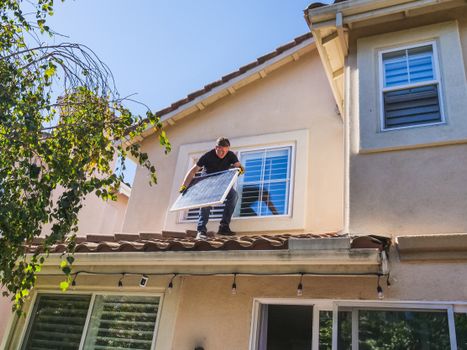
A solar technician installing panels on a house roof, emphasizing renewable energy. Photo: Kindel Media / Pexels
While the benefits of residential solar power systems are undeniable, making informed decisions and avoiding common pitfalls is crucial for a successful installation and long-term satisfaction. One of the most frequent mistakes homeowners make is failing to thoroughly vet their solar installer. The solar industry has seen rapid growth, leading to a wide range of companies, from highly reputable to less experienced or even predatory. Always seek multiple quotes, check references, review online testimonials, and verify licensing and insurance. A reputable installer will provide a detailed proposal, explain all costs and benefits, and offer strong warranties for both equipment and workmanship. Don't rush into a decision based on a single sales pitch. Another common error is underestimating or overestimating your energy needs. An accurate assessment of your household's electricity consumption is fundamental to designing an appropriately sized system. Review your past 12-24 months of utility bills to understand your average usage patterns. An undersized system won't meet your needs, leaving you still reliant on the grid, while an oversized system can be an unnecessary expense, though net metering can sometimes mitigate this. Conversely, not considering future energy needs, such as purchasing an electric vehicle or adding an electric heat pump, can lead to a system that becomes insufficient within a few years. Plan for potential changes in your energy consumption.
  • Ignoring Roof Condition: Solar panels have a lifespan of 25-30 years. If your roof is nearing the end of its life, it's far more cost-effective to replace or repair it before installing solar panels. Removing and reinstalling panels for a roof replacement can be a significant additional expense.
  • Overlooking Shading Issues: Even partial shading from trees, chimneys, or neighboring buildings can drastically reduce a solar panel's output. A good installer will conduct a thorough site assessment to identify and mitigate shading concerns, potentially recommending microinverters or power optimizers to minimize impact.
  • Not Understanding Net Metering and Incentives: While the federal ITC is widely known, state and local incentives vary. Homeowners sometimes fail to fully understand how net metering works in their area (e.g., full retail credit, reduced credit) or miss out on specific state rebates or SREC programs. Always clarify how excess energy will be credited.
  • Focusing Solely on Price: While cost is a factor, prioritizing the lowest bid without considering equipment quality, warranty terms, and installer reputation can lead to long-term issues. A slightly higher upfront cost for a more efficient system, better warranty, or more experienced installer often pays off in peace of mind and performance.
  • Neglecting Permitting and HOA Rules: Solar installations require permits from local authorities. If you live in a community with a Homeowners Association (HOA), you'll also need their approval. Failing to secure these can lead to delays, fines, or even the forced removal of your system.
By being diligent and asking the right questions, you can ensure your transition to residential solar power systems is smooth and rewarding.

Comparison

FeatureOwning (Cash/Loan)Solar LeasePPA (Power Purchase Agreement)
Upfront CostHigh (Cash) / Moderate (Loan)Low to NoneLow to None
System OwnershipYou own the systemThird-party owns systemThird-party owns system
Federal Tax Credit (ITC)
Increase Home Value✗ (or minimal)✗ (or minimal)
Maintenance ResponsibilityYour responsibilityThird-party's responsibilityThird-party's responsibility
Monthly Payment StructureLoan payment / None (cash)Fixed monthly rentPay per kWh consumed
Long-term Savings PotentialHighestModerateModerate
Energy IndependenceHighest (with battery)ModerateModerate

What Readers Say

"Getting residential solar power systems installed was the best decision for our Austin home. Our electricity bill went from $200+ to under $30, even in peak summer. The process was smooth, and the savings are incredible."

Sarah J. · Austin, TX

"We've had our solar panels for two years now, and we couldn't be happier. The installation team was professional, and the system performs flawlessly. It's great to know we're doing our part for the environment while saving money."

Mark D. · Denver, CO

"Our solar system has been a game-changer! We used to dread our summer utility bills, but now with solar, we're actually getting credits some months. It's resulted in an average annual saving of over $1,500."

Emily R. · San Diego, CA

"The transition to residential solar was mostly positive. While the initial paperwork for incentives was a bit complex, our installer guided us through it. We're seeing good savings, though winter production is lower as expected, which we accounted for."

Thomas L. · Boston, MA

"Living in Arizona, solar just makes sense. Our residential solar power systems handle our AC needs beautifully, and we rarely pay for electricity anymore. The added battery storage has also given us peace of mind during grid fluctuations."

Jessica M. · Phoenix, AZ

Frequently Asked Questions

What is the average cost of residential solar power systems in the US?

The average cost for a typical 6 kW to 8 kW residential solar system in the US ranges from $16,000 to $20,000 before incentives. After factoring in the federal Investment Tax Credit (ITC) and other state/local rebates, the net cost can drop significantly, often making it much more affordable.

Will solar panels still work on cloudy days or in winter?

Yes, solar panels still produce electricity on cloudy days, though at a reduced capacity, as they primarily rely on light, not direct heat. In winter, production may be lower due to shorter daylight hours and a lower sun angle, but they are still effective and can even benefit from snow reflection in certain conditions.

How do I choose the right size solar system for my home?

To choose the right size, you first need to assess your average electricity consumption, typically found on your past utility bills (look for kilowatt-hours, kWh). A reputable solar installer will then analyze this data, along with your roof's sun exposure, shading, and local weather patterns, to design a system that meets your energy needs and maximizes savings.

What is net metering and how does it benefit me?

Net metering is a billing mechanism that credits solar energy system owners for the electricity they add to the grid. When your solar panels produce more electricity than your home consumes, the excess is sent to the grid, and your utility company credits your account. This credit can then be used to offset the cost of electricity you draw from the grid at night or on cloudy days, often resulting in a zero or near-zero electricity bill.

Are residential solar power systems worth it compared to just buying renewable energy from my utility?

While buying renewable energy from your utility is a good step, owning residential solar power systems typically offers greater financial benefits and energy independence. You directly reduce your monthly bill, gain control over your energy source, increase your home's value, and qualify for significant tax incentives that utility green energy programs don't offer.

Who should consider installing residential solar power systems?

Homeowners who have consistently high electricity bills, live in areas with good sun exposure, plan to stay in their home for at least 5-7 years, and are interested in long-term savings, increasing property value, and reducing their environmental footprint are ideal candidates for residential solar power systems.

Are residential solar power systems safe from lightning strikes or severe weather?

Modern residential solar power systems are designed and installed with safety as a top priority. They are grounded to protect against lightning strikes, and panels are rigorously tested to withstand hail, high winds, and extreme temperatures. Reputable installers adhere to strict building codes and safety standards.

What are the future trends in residential solar technology?

Future trends in residential solar include increasingly efficient solar panels (per square foot), more sophisticated and affordable battery storage solutions for greater energy independence, seamless integration with smart home systems, and the development of building-integrated photovoltaics (BIPV) where solar cells are integrated directly into roofing materials or windows.

Ready to take control of your energy future and unlock significant savings? Explore the transformative power of residential solar power systems for your home. Get a personalized quote today and join the millions of Americans embracing clean, sustainable energy.

Topics: residential solar power systemshome solar panelssolar energy benefitssolar installation costsolar incentives US
Leo List

IE Escorts NO Escorts US Escorts NZ Escorts AU Escorts
Brampton weed
Adultwork EstrelaBet Vai de Bet R7 Bet Betão Galera Bet Rainbet Bet9ja Shop SportyBet BetKing Sisal Loto Foot Hollywoodbets YesPlay Odibets RushBet Jugabet BetWarrior BetCity MSport betPawa Fortebet