
The Profound Impact of Fossil Fuels on Our World
Uncover the complex legacy of coal, oil, and natural gas on our planet, economy, and daily lives.
Learn MoreKey Takeaways
- ✓ Fossil fuels supply over 80% of global primary energy.
- ✓ Burning fossil fuels is the primary driver of anthropogenic climate change.
- ✓ The US is a major producer and consumer of fossil fuels.
- ✓ Transitioning from fossil fuels presents significant economic and technological challenges.
How It Works
Fossil fuels (coal, oil, natural gas) are extracted from the Earth through mining or drilling. They then undergo processing to remove impurities and refine them into usable products like gasoline or electricity.
These refined fuels are burned in power plants, vehicles, and industrial facilities. This combustion releases energy, which is then converted into electricity, mechanical motion, or heat to power our modern world.
The burning process releases various gases and particulates into the atmosphere. Key emissions include carbon dioxide (CO2), methane (CH4), and nitrous oxide (N2O), which are potent greenhouse gases, alongside pollutants like sulfur dioxide and nitrogen oxides.
These emissions contribute to climate change, air pollution, and other environmental degradation. The societal impact ranges from economic dependence and geopolitical dynamics to public health concerns and the ongoing energy transition debate.
The Environmental Ramifications of Fossil Fuel Consumption
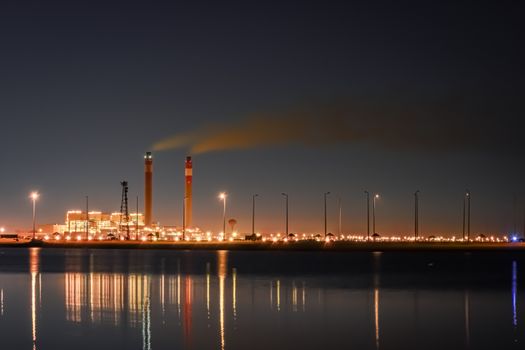 Photo: Jepoy Fabian / Pexels
Furthermore, the environmental damage extends beyond climate change. The extraction processes themselves have profound local impacts. Coal mining, particularly mountaintop removal, devastates landscapes, contaminates water sources with heavy metals, and destroys critical habitats. Oil drilling, both onshore and offshore, carries risks of spills that can decimate marine life, coastal ecosystems, and local economies reliant on fishing and tourism. The Deepwater Horizon oil spill in the Gulf of Mexico serves as a stark reminder of the catastrophic potential. Natural gas extraction, especially through hydraulic fracturing (fracking), raises concerns about groundwater contamination, induced seismicity, and methane leakage into the atmosphere. The infrastructure required to transport these fuels – pipelines, refineries, shipping routes – also carries environmental risks, from potential leaks and explosions to habitat fragmentation. Air pollution from burning fossil fuels is another major concern, leading to smog, acid rain, and respiratory illnesses in urban areas. Pollutants like sulfur dioxide (SO2), nitrogen oxides (NOx), and particulate matter directly impact human health and contribute to environmental degradation. Understanding these multifaceted environmental ramifications is crucial for grasping the full cost of our energy choices and the urgency of transitioning to more sustainable alternatives.
Economic Dependencies and Geopolitical Ramifications
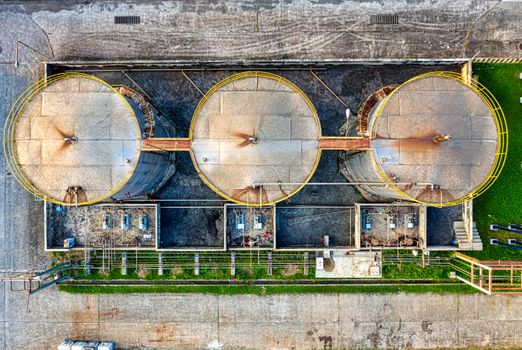 Photo: Tom Fisk / Pexels
However, this economic reliance also creates significant vulnerabilities. Global energy markets are subject to geopolitical tensions, supply-demand imbalances, and speculative trading, leading to price swings that can trigger economic instability. For example, oil price shocks have historically led to recessions, impacting everything from consumer spending to manufacturing costs. Nations heavily reliant on fossil fuel exports face the risk of 'resource curse,' where dependence on a single commodity can hinder diversification and long-term economic development. Conversely, countries that are net importers face energy security concerns, as their economies can be held hostage by external suppliers. The pursuit of fossil fuel resources has also been a significant driver of international relations, conflicts, and alliances. Control over strategic energy routes and resource-rich regions often dictates foreign policy decisions and military deployments. The transition away from fossil fuels, while offering long-term economic benefits in terms of energy independence and new industries, presents immediate economic challenges. It necessitates retraining workers, decommissioning existing infrastructure, and investing heavily in new technologies, creating both opportunities and dislocations. The debate over the pace and equity of this transition is a central economic and political challenge for the US and the world.
Societal Implications and Public Health Concerns
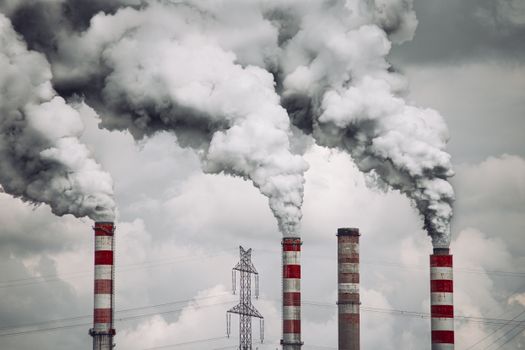 Photo: Janusz Walczak / Pexels
Furthermore, climate change, driven by fossil fuel emissions, exacerbates existing health inequalities and creates new ones. Extreme heat events, for example, disproportionately affect outdoor workers, the homeless, and those without access to air conditioning. Changes in rainfall patterns can impact water quality and food security, leading to malnutrition and the spread of waterborne diseases. The societal implications also extend to disruptions caused by resource extraction. Local communities near mining or drilling operations can experience boom-and-bust cycles, increased traffic, strain on public services, and changes to their traditional ways of life. The displacement of indigenous populations or rural communities for resource development is another critical social justice issue tied to fossil fuels. The energy system built on fossil fuels has also shaped urban development, transportation networks, and consumer habits, fostering a car-dependent culture in many parts of the US. While providing unprecedented mobility and convenience, this reliance also contributes to sedentary lifestyles and urban sprawl. As we consider the future, understanding these broad societal implications is crucial for crafting just and equitable energy policies that prioritize public health and community well-being, driving the urgent need for a comprehensive energy transition strategy.
Navigating the Transition: Challenges and Opportunities
 Photo: Kristina Kutleša / Pexels
Key Challenges:
- Infrastructure Overhaul: Retrofitting or replacing existing energy grids, transportation systems, and industrial facilities is a monumental task.
- Economic Disruption: Job losses in fossil fuel sectors require comprehensive retraining and support programs for affected communities.
- Intermittency of Renewables: Integrating variable renewable energy sources like solar and wind requires advances in energy storage and grid management.
- Resource Requirements: Manufacturing renewable technologies demands significant amounts of critical minerals, raising new supply chain and environmental concerns.
- Policy and Public Acceptance: Implementing policies that incentivize renewable energy and disincentivize fossil fuels often faces political resistance and public skepticism.
Key Opportunities:
- Economic Growth: The renewable energy sector is a rapidly growing industry, creating new jobs and fostering innovation.
- Energy Independence: Reducing reliance on imported fossil fuels enhances national energy security and reduces exposure to geopolitical risks.
- Technological Advancement: The transition spurs innovation in areas like battery storage, smart grids, and advanced materials.
- Improved Public Health: Reduced air pollution leads to fewer respiratory and cardiovascular diseases, lowering healthcare costs.
- Climate Mitigation: Significant reductions in greenhouse gas emissions are essential to avert the worst impacts of climate change.
The transition is not merely about switching fuels; it's about fundamentally redesigning our energy systems, economies, and societies for a sustainable future. It requires concerted efforts from governments, industries, researchers, and individuals to overcome the challenges and fully capitalize on the opportunities.
Comparison
| Feature | Fossil Fuels (Current) | Renewables (Transition) | Nuclear (Bridge/Complement) |
|---|---|---|---|
| Carbon Emissions | High | Very Low/Zero | Very Low/Zero |
| Resource Availability | Finite, geographically concentrated | Abundant, widely distributed | Finite, but long-lasting fuel |
| Energy Density | High | Variable, lower | Extremely High |
| Reliability/Dispatchability | High (on-demand) | Intermittent (solar/wind), variable | High (baseload) |
| Environmental Impact (Local) | Significant (extraction, pollution) | Moderate (land use, materials) | Low (waste disposal challenge) |
| Cost (Levelized) | Fluctuating (fuel price) | Decreasing, competitive | High capital, low operating |
What Readers Say
"This article really opened my eyes to the full spectrum of fossil fuel impacts. I knew about climate change, but the economic and health implications were explained so clearly. It's not just a single issue, it's interconnected."
Sarah J. · Denver, CO"As someone who works in the energy sector, I appreciate the balanced view. It acknowledges the benefits and job creation while squarely addressing the environmental and societal costs. A thoughtful piece."
Mark T. · Houston, TX"The details on air pollution and public health were particularly impactful. I frequently see respiratory issues in my practice, and this article connects the dots to energy sources, providing a crucial understanding for patients and policymakers alike."
Dr. Emily R. · Boston, MA"While comprehensive, I would have liked a bit more on specific policy solutions being enacted in the US to mitigate these impacts. Still, it's an incredibly well-researched and important overview of a complex topic."
David L. · Los Angeles, CA"Living in a coastal city, the rising sea levels and extreme weather discussed hit close to home. Understanding the direct link to fossil fuels makes the urgency of transitioning to cleaner energy much clearer for me."
Maria G. · Miami, FLFrequently Asked Questions
What are the primary negative impacts of fossil fuels?
The primary negative impacts include significant contributions to climate change through greenhouse gas emissions (CO2, methane), severe air and water pollution from extraction and combustion, detrimental effects on public health (respiratory and cardiovascular diseases), and geopolitical instability due to resource competition and price volatility.
Are there any benefits to using fossil fuels?
Historically, fossil fuels have been the backbone of industrialization and modern society, providing abundant, relatively cheap, and high-density energy that powers transportation, electricity generation, and manufacturing. They have lifted billions out of poverty and enabled unprecedented technological advancement, though at significant environmental and social cost.
How can we reduce our reliance on fossil fuels?
Reducing reliance involves transitioning to renewable energy sources like solar, wind, and geothermal; improving energy efficiency in homes, industries, and transportation; developing advanced energy storage solutions; promoting electric vehicles; and implementing carbon capture technologies. Policy support, investment, and public awareness are crucial for this transition.
What is the economic cost of continuing to use fossil fuels?
The economic cost includes the increasing financial burden of climate change impacts (disaster relief, infrastructure damage), healthcare costs associated with pollution-related illnesses, the price volatility of global fuel markets, and the potential for stranded assets as the world transitions to cleaner energy. These 'externalities' are often not reflected in the market price of fossil fuels.
How do fossil fuels compare to renewable energy sources in terms of environmental impact?
Fossil fuels have a much higher environmental impact due to their significant greenhouse gas emissions, extensive land disruption from extraction, and considerable air and water pollution. Renewable energy sources generally have a much lower operational carbon footprint and fewer polluting emissions, though they do have their own environmental considerations related to manufacturing, land use, and resource extraction for components.
Who is most affected by the negative impacts of fossil fuels?
The negative impacts disproportionately affect vulnerable populations, including low-income communities and communities of color often situated near polluting industries, children, the elderly, and those with pre-existing health conditions. Globally, developing nations and small island states are often most vulnerable to climate change impacts despite contributing least to the problem.
Are there any safe ways to use fossil fuels?
While completely 'safe' is debatable given their inherent emissions, efforts to mitigate harm include stricter environmental regulations, advanced pollution control technologies (e.g., scrubbers), carbon capture and storage (CCS) technologies to trap emissions, and improved safety protocols in extraction and transport. However, these measures do not eliminate all risks or greenhouse gas emissions.
What does the future hold for fossil fuels in the US energy mix?
The future sees a gradual decline in the dominance of fossil fuels in the US energy mix. While they will likely remain a component for some time, especially in certain industrial processes and as a backup for renewables, their share will decrease as renewable energy technologies advance, become more cost-effective, and as climate policies tighten. Natural gas may serve as a transitional fuel in some sectors.
Understanding the profound impact of fossil fuels is the first step towards building a sustainable energy future. Explore further resources and consider how your choices can contribute to a healthier planet and a more resilient energy system for generations to come.