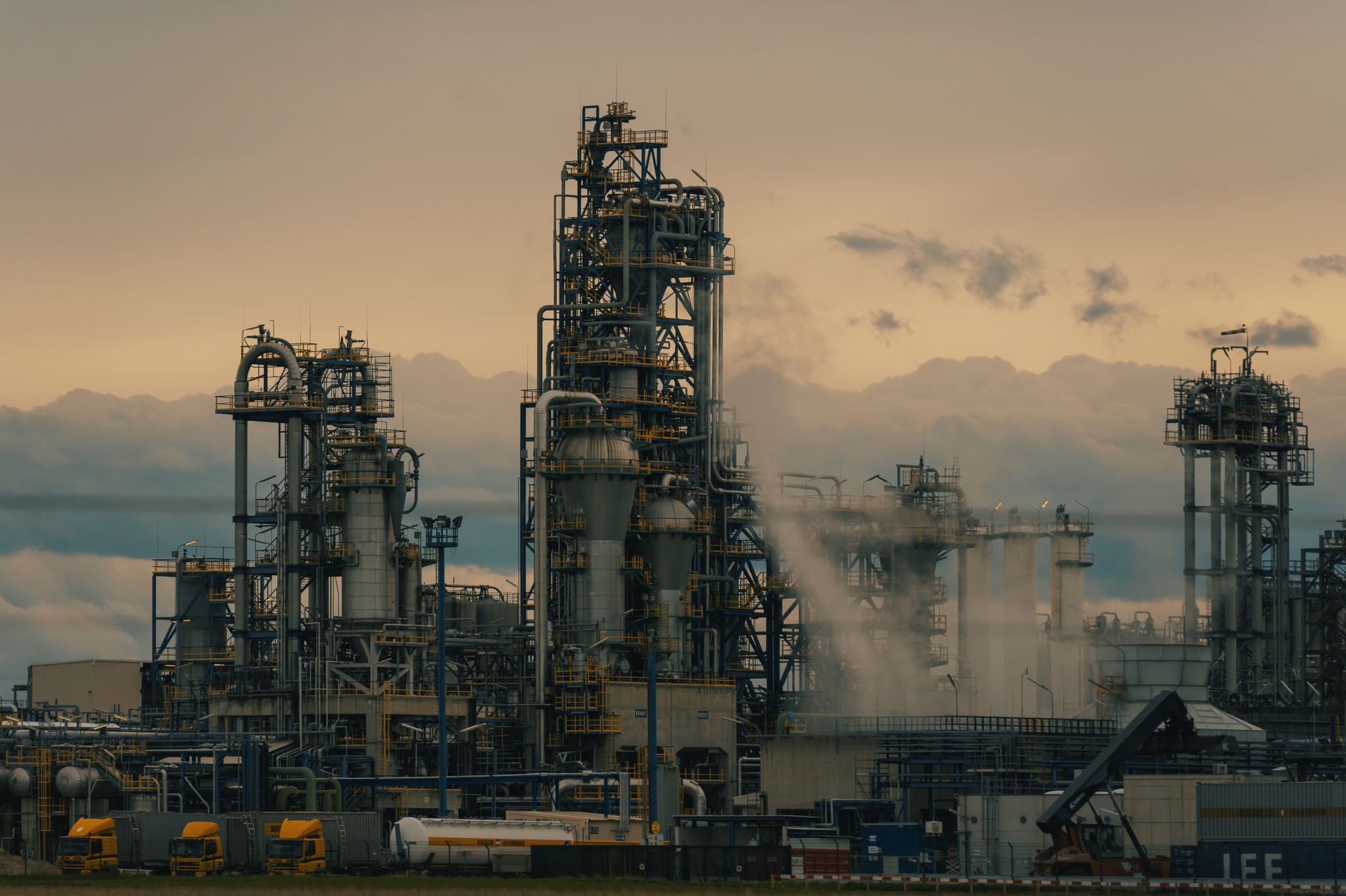
Unpacking the Profound Impact of Fossil Fuels on Our World
impact of fossil fuels

Unpacking the Profound Impact of Fossil Fuels on Our World

Understand the multifaceted effects of fossil fuels on our planet, economy, and society, driving the urgent need for change.

Discover the Full Story

Key Takeaways

  • ✓ Fossil fuels (coal, oil, natural gas) currently supply over 80% of global energy.
  • ✓ Burning fossil fuels is the primary driver of anthropogenic climate change, releasing greenhouse gases.
  • ✓ The US is both a major consumer and producer of fossil fuels, influencing global energy markets.
  • ✓ Transitioning from fossil fuels presents significant economic, technological, and social challenges and opportunities.
  • ✓ Air pollution from fossil fuel combustion causes millions of premature deaths globally each year.

How It Works

1
Extraction and Processing

Fossil fuels are extracted from geological formations deep within the Earth through drilling, mining, and hydraulic fracturing. They then undergo processing to remove impurities and refine them into usable products like gasoline, diesel, and electricity.

2
Combustion for Energy

Once refined, these fuels are burned in power plants, vehicles, industrial facilities, and homes to generate electricity, power transportation, and provide heat. This combustion releases energy, but also byproducts into the atmosphere.

3
Greenhouse Gas Emissions

The primary byproduct of fossil fuel combustion is carbon dioxide (CO2), along with other greenhouse gases like methane and nitrous oxide. These gases trap heat in the Earth's atmosphere, leading to global warming and climate change.

4
Environmental & Societal Impact

These emissions contribute to rising global temperatures, extreme weather events, sea-level rise, and ocean acidification. Beyond climate, extraction and transport can cause habitat destruction, water pollution, and air quality degradation, impacting human health and ecosystems.

The Environmental Impact of Fossil Fuels: A Global Challenge

The environmental impact of fossil fuels stands as one of the most pressing challenges of our time, with far-reaching consequences for ecosystems, climate systems, and human well-being. At the core of this issue is the release of greenhouse gases (GHGs) during the combustion of coal, oil, and natural gas. Carbon dioxide (CO2) is the most abundant and well-known of these, but methane (CH4) and nitrous oxide (N2O) also contribute significantly to the greenhouse effect. These gases trap heat in the Earth’s atmosphere, leading to a phenomenon known as global warming, which in turn drives climate change. The scientific consensus is clear: human activities, primarily the burning of fossil fuels, are the dominant cause of observed warming trends over the past century. This warming manifests in various ways, from rising global average temperatures and melting glaciers to more frequent and intense heatwaves, droughts, and wildfires. Ocean systems are also severely affected, experiencing acidification due to increased CO2 absorption, which threatens marine life, particularly coral reefs and shellfish. Furthermore, rising sea levels, a direct consequence of thermal expansion of water and melting ice sheets, endanger coastal communities and ecosystems worldwide. The extraction processes themselves also leave a significant environmental footprint. Coal mining, especially strip mining, can lead to widespread habitat destruction, soil erosion, and water contamination from acid mine drainage. Oil and gas drilling, including hydraulic fracturing (fracking), can contaminate groundwater, release methane into the atmosphere, and contribute to seismic activity. Accidental spills during transportation, such as oil tanker accidents, can devastate marine and coastal ecosystems, with long-lasting effects on biodiversity and local economies. Air pollution from burning fossil fuels is another critical concern. Beyond GHGs, combustion releases particulate matter, sulfur dioxide, nitrogen oxides, and volatile organic compounds. These pollutants contribute to smog, acid rain, and respiratory illnesses, significantly impacting public health, particularly in urban and industrial areas. The health costs associated with air pollution are staggering, leading to millions of premature deaths globally each year and exacerbating conditions like asthma, heart disease, and lung cancer. Addressing these environmental impacts requires a comprehensive and urgent transition away from fossil fuels towards cleaner, renewable energy sources. This shift is not merely an environmental imperative but a foundational step towards securing a sustainable future for all. For a deeper dive into sustainable energy solutions, explore renewable energy technologies.

Economic Implications: From Global Markets to Local Livelihoods

The economic impact of fossil fuels is as pervasive and complex as their environmental footprint, shaping global markets, national economies, and individual livelihoods. For decades, the fossil fuel industry has been a cornerstone of the global economy, driving industrial growth, powering transportation, and generating immense wealth. Countries rich in oil, gas, and coal reserves have leveraged these resources for geopolitical influence and economic development. The United States, as a leading producer and consumer, plays a pivotal role in global energy markets, with domestic production influencing international prices and supply chains. However, this reliance comes with significant economic vulnerabilities. The volatility of global oil prices, influenced by geopolitical events, supply-demand dynamics, and speculative trading, can trigger economic instability. Price spikes can lead to inflation, higher transportation costs, and reduced consumer spending, while price crashes can devastate producing economies, leading to job losses and reduced government revenues. The economic benefits of fossil fuels have also come at a substantial cost, often externalized from market prices. The environmental damages – including climate change, air and water pollution, and ecosystem degradation – impose massive economic burdens in the form of disaster relief, healthcare costs, agricultural losses, and infrastructure repairs. These costs are frequently borne by taxpayers and future generations, rather than fully accounted for by the industries that generate them. Furthermore, the fossil fuel industry, while providing jobs in extraction, refining, and transportation, is also subject to cycles of boom and bust. As the world transitions towards cleaner energy, communities historically reliant on coal mining or oil drilling face significant economic dislocation. There is an urgent need for just transition strategies that provide retraining, economic diversification, and support for workers and communities affected by the shift away from fossil fuels. Investing in renewable energy, energy efficiency, and sustainable infrastructure offers a new paradigm for economic growth. These sectors create new jobs, stimulate technological innovation, and can lead to more stable and distributed energy systems. While the initial capital investment in renewable infrastructure can be substantial, the long-term operational costs are often lower, and the benefits of reduced pollution and climate resilience are immense. The economic shift away from fossil fuels is not just about mitigating risks; it's about seizing opportunities for innovation, creating new industries, and building a more resilient and equitable economic future. It requires policy frameworks that incentivize clean energy, carbon pricing mechanisms, and international cooperation to ensure a smooth and equitable transition.

Societal Repercussions: Health, Justice, and Geopolitical Dynamics

Beyond the environmental and economic spheres, the impact of fossil fuels deeply permeates societal structures, influencing public health, environmental justice, and geopolitical dynamics. The immediate and long-term health consequences of fossil fuel combustion are profound. Air pollution, a direct result of burning coal, oil, and natural gas, is a silent killer, contributing to millions of premature deaths annually from respiratory diseases, heart attacks, strokes, and various cancers. Children, the elderly, and individuals with pre-existing conditions are particularly vulnerable. Communities living near power plants, refineries, and major transportation routes often bear a disproportionate burden of this pollution, experiencing higher rates of asthma, developmental issues, and other health ailments. This unequal distribution of environmental harm highlights critical issues of environmental justice. Historically, and continuing today, marginalized communities and communities of color are often located closer to polluting industries, facing greater exposure to toxins and fewer resources to advocate for change. The struggle for environmental justice is inextricably linked to the fossil fuel debate, demanding equitable solutions and a fair distribution of both the benefits and burdens of energy production. Geopolitically, fossil fuels have been a primary driver of international relations, conflicts, and alliances for over a century. Nations with significant oil and gas reserves wield considerable power, influencing global politics and economies. The pursuit of energy security – the uninterrupted availability of energy sources at an affordable price – has shaped foreign policies, led to military interventions, and fueled geopolitical rivalries. The volatility of energy markets, often triggered by political instability in producing regions, can destabilize international relations and pose threats to global peace. Furthermore, the concentration of fossil fuel wealth can exacerbate corruption and inhibit democratic development in resource-rich nations, a phenomenon often termed the 'resource curse.' The transition away from fossil fuels, while challenging, offers an opportunity to reshape these geopolitical dynamics. By diversifying energy sources and decentralizing energy production, nations can reduce their reliance on volatile global markets and enhance energy independence. This shift could lead to a more stable and cooperative international landscape, where energy security is achieved through shared innovation and sustainable practices rather than competition over finite resources. The societal repercussions of fossil fuels underscore the need for a holistic approach to energy policy, one that prioritizes public health, addresses historical injustices, and fosters global cooperation towards a more equitable and sustainable future. Understanding the societal implications is crucial for advocating for a just energy transition and building resilient communities. Discover more about the broader implications of energy choices by exploring the comprehensive topic of energy systems.

Navigating the Transition: Challenges and Opportunities for a Sustainable Future

The imperative to transition away from fossil fuels presents both monumental challenges and unprecedented opportunities for innovation and sustainable development. One of the primary challenges lies in the sheer scale of the existing fossil fuel infrastructure. Decades of investment have created a vast network of power plants, refineries, pipelines, and transportation systems that cannot be replaced overnight. This infrastructure represents trillions of dollars in assets and supports millions of jobs, making rapid divestment economically and politically complex. The intermittency of some renewable energy sources, such as solar and wind, also poses technical challenges for grid stability and energy storage, requiring significant advancements in battery technology and smart grid solutions. Another significant hurdle is the upfront capital cost associated with building new renewable energy facilities and modernizing grids. While the long-term operational costs of renewables are often lower, the initial investment can be substantial, requiring robust policy support, financial incentives, and international cooperation to mobilize the necessary capital. Political will and public acceptance are also critical. Overcoming entrenched interests, misinformation campaigns, and resistance to change requires strong leadership, effective communication, and inclusive policy-making that addresses the concerns of all stakeholders, especially those in communities directly impacted by the transition. Despite these challenges, the opportunities presented by a clean energy transition are immense. It offers a chance to mitigate climate change, improve public health, create new economic sectors and jobs, and enhance energy security. Investments in renewable energy, energy efficiency, and sustainable transportation can drive innovation, foster technological advancements, and position nations as leaders in the green economy. For instance, the growth of the solar and wind industries has already created thousands of jobs in manufacturing, installation, and maintenance across the US. Furthermore, transitioning to clean energy can lead to greater energy independence, reducing vulnerability to geopolitical shocks and volatile fossil fuel markets. Decentralized renewable energy systems can also empower local communities, providing reliable and affordable energy access, especially in remote areas. The development of advanced battery storage, green hydrogen, and carbon capture technologies represents significant areas for future growth and innovation. Embracing these opportunities requires a multi-pronged approach, including supportive government policies, private sector investment, technological breakthroughs, and public engagement. It's a journey that demands collaboration across all levels of society, from international agreements to individual actions, to collectively build a resilient, equitable, and sustainable energy future.

Comparison

FeatureFossil FuelsSolar PowerWind PowerNuclear Power
Carbon EmissionsHighVery LowVery LowVery Low
Energy SourceFiniteInfinite (Sun)Infinite (Wind)Finite (Uranium)
ReliabilityDispatchableIntermittentIntermittentHigh
Fuel Cost VolatilityHighZeroZeroLow
Environmental ImpactHigh (Pollution, Climate Change)Low (Land Use)Low (Visual, Wildlife)Low (Waste Disposal)
Job Creation PotentialStable (Existing)High (Growth)High (Growth)Moderate (Specialized)

What Readers Say

"This article provides an exceptionally clear and comprehensive overview of the impact of fossil fuels. It articulates the complex interplay between environmental degradation, economic forces, and societal equity with scientific rigor and accessibility."

Dr. Eleanor Vance · Berkeley, CA

"As someone who's worked in the energy sector for decades, I appreciate the balanced perspective. It doesn't shy away from the challenges but also highlights the critical opportunities in transitioning from fossil fuels. Very insightful."

Mark Johnson · Houston, TX

"The details on health impacts and environmental justice were particularly impactful for me. It really put into perspective why moving away from fossil fuels is not just about climate change, but about human well-being and fairness. A must-read."

Sarah Chen · New York, NY

"While incredibly thorough, the sheer volume of information can be a bit overwhelming. However, the breakdown into environmental, economic, and societal sections made it digestible. A valuable resource for understanding the complexities."

David Lee · Denver, CO

"Living in a coastal city, the discussions around sea-level rise and climate change effects from fossil fuels hit home. This article reinforced my commitment to supporting renewable energy and sustainable policies. Excellent research."

Maria Rodriguez · Miami, FL

Frequently Asked Questions

What are the primary greenhouse gases released by fossil fuels?

The primary greenhouse gases released from burning fossil fuels are carbon dioxide (CO2), methane (CH4), and nitrous oxide (N2O). While CO2 is the most abundant, methane has a much higher global warming potential over a shorter period, and nitrous oxide is also a potent GHG.

Is it possible to completely eliminate fossil fuels in the near future?

Completely eliminating fossil fuels in the near future (e.g., within a decade) is highly challenging due to current infrastructure, energy demand, and technological limitations. However, aggressive targets for significant reduction and rapid transition to renewables are crucial and achievable with concerted effort and investment.

How can individuals contribute to reducing the impact of fossil fuels?

Individuals can contribute by reducing energy consumption (e.g., insulating homes, using energy-efficient appliances), choosing renewable energy providers, opting for public transport or electric vehicles, supporting sustainable businesses, and advocating for climate-friendly policies. Small changes collectively make a big difference.

What are the economic benefits of transitioning away from fossil fuels?

Transitioning from fossil fuels can bring economic benefits such as job creation in renewable energy sectors, reduced volatility from fossil fuel price swings, lower long-term energy costs, increased energy independence, and avoided costs associated with climate change and pollution-related health issues.

How do fossil fuels compare to renewable energy sources in terms of reliability?

Fossil fuels are generally dispatchable, meaning they can be turned on or off as needed. Renewables like solar and wind are intermittent, depending on weather. However, advancements in battery storage, smart grids, and diverse renewable portfolios are rapidly improving the reliability and stability of renewable energy systems.

Who is most affected by the negative impacts of fossil fuels?

The negative impacts of fossil fuels disproportionately affect vulnerable populations, including low-income communities, communities of color, and indigenous populations, who are often located near polluting facilities and have fewer resources to cope with environmental damage and health issues.

What are the safety concerns related to fossil fuel extraction and transport?

Safety concerns include risks of explosions and fires at extraction sites and refineries, pipeline leaks, oil spills during transport (e.g., tanker accidents), and health risks for workers exposed to hazardous materials and conditions. These incidents can have devastating environmental and human costs.

What role will carbon capture technologies play in the future of fossil fuels?

Carbon capture, utilization, and storage (CCUS) technologies aim to reduce emissions from fossil fuel use by capturing CO2 before it enters the atmosphere. While seen by some as a bridge technology, its efficacy, cost, and scale are still debated, and it is not a replacement for transitioning to zero-emission sources.

The impact of fossil fuels is undeniably vast and complex, touching every aspect of our lives from the air we breathe to the global economy. Understanding these profound effects is the first step towards advocating for and embracing a more sustainable, equitable, and healthier energy future for all. Join the conversation and become part of the solution.

Topics: impact of fossil fuelsclimate change energyenergy transition USrenewable energy benefitsfossil fuel alternatives
Leo List
Brampton weed
Adultwork EstrelaBet Vai de Bet R7 Bet Betão Galera Bet Rainbet Bet9ja Shop SportyBet BetKing Sisal Loto Foot Hollywoodbets YesPlay Odibets RushBet Jugabet BetWarrior BetCity MSport betPawa Fortebet