
Hydrogen Fuel Cell Cars Explained: Your Ultimate Guide
Dive into the mechanics, advantages, and future of FCEVs to understand this groundbreaking sustainable transportation.
Explore FCEV TechKey Takeaways
- ✓ Hydrogen fuel cell cars (FCEVs) produce electricity onboard through a chemical reaction between hydrogen and oxygen.
- ✓ Their only emission is water vapor, making them zero-emission at the tailpipe.
- ✓ FCEVs offer quick refueling times, similar to gasoline cars, typically 3-5 minutes.
- ✓ Current FCEV models boast ranges comparable to conventional gasoline vehicles, often over 300 miles.
- ✓ The primary challenge for FCEVs is the limited hydrogen refueling infrastructure and the cost of hydrogen production and distribution.
How It Works
Hydrogen gas is stored in high-pressure tanks within the vehicle. These tanks are designed to be extremely robust and safe.
Hydrogen from the tanks enters the fuel cell stack, where it reacts with oxygen from the air. This electrochemical reaction generates electricity.
The electricity produced by the fuel cell powers an electric motor, which in turn drives the wheels. Excess electricity can be stored in a small battery.
The only byproduct of this reaction is pure water vapor, which is expelled through the exhaust pipe. This makes FCEVs truly zero-emission at the point of use.
Understanding Fuel Cell Electric Vehicles (FCEVs)
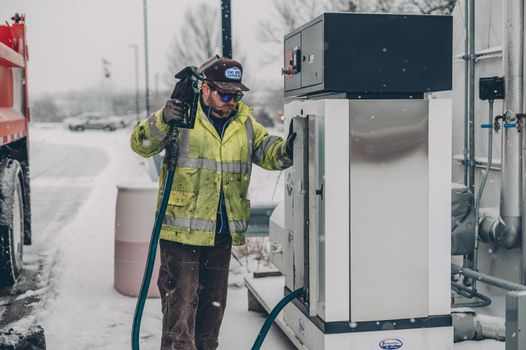 Photo: David Huck / Pexels
The Benefits and Advantages of Hydrogen Cars
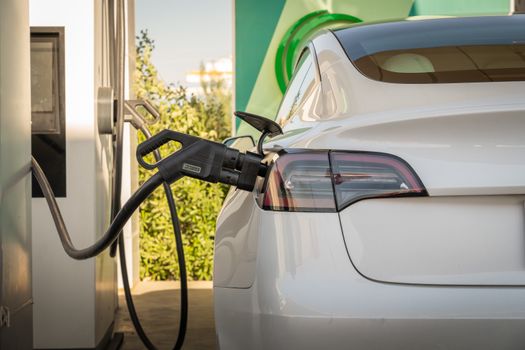 Photo: 04iraq / Pexels
Challenges and the Future of Hydrogen Infrastructure
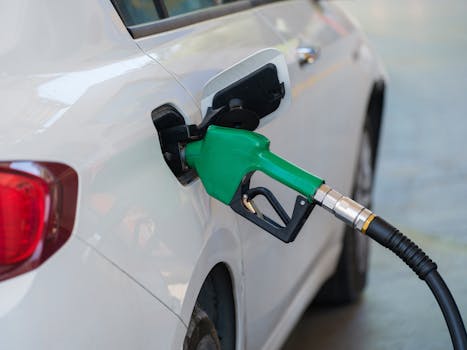 Photo: Engin Akyurt / Pexels
FCEV Maintenance, Safety, and Common Misconceptions
 Photo: Diana ✨ / Pexels
Comparison
| Feature | FCEV (Hydrogen) | BEV (Battery Electric) | ICE (Gasoline) |
|---|---|---|---|
| Tailpipe Emissions | Water Vapor (Zero) | Zero | CO2, NOx, Particulates |
| Refueling Time | 3-5 Minutes | 30 mins - 12+ hours | 3-5 Minutes |
| Typical Range | 300-400+ Miles | 150-350+ Miles | 300-500+ Miles |
| Fueling Infrastructure | Very Limited (US) | Growing, Widespread | Extensive, Widespread |
| Fuel Source | Hydrogen Gas | Electricity | Liquid Petroleum |
| Driving Experience | Quiet, Smooth | Quiet, Smooth | Vibrations, Noise |
| Maintenance Needs | Lower than ICE | Lower than ICE | Higher |
| Cold Weather Range Impact | Minor | Moderate | Minor |
What Readers Say
"I've had my Mirai for two years, and understanding hydrogen fuel cell cars explained really helped me make the switch. The quick refueling is a game-changer for my long commutes, and it drives like a dream. Absolutely love the zero emissions!"
Sarah J. · Orange County, CA"The Hyundai Nexo is fantastic. I was initially worried about hydrogen, but after researching, I felt confident. It's so quiet and smooth, and knowing I'm only emitting water vapor feels great. Refueling is easy at my local station."
David M. · Sacramento, CA"My FCEV has exceeded expectations. The range is excellent for my weekend trips, and the 5-minute fill-up means no waiting around. It truly delivers on the promise of clean, convenient driving."
Emily R. · Los Angeles, CA"While I love the car and the zero emissions, the limited number of hydrogen stations outside of California is a real barrier. For now, it's perfect for my local driving, but I hope to see the infrastructure grow soon."
Mark T. · San Jose, CA"As a rideshare driver, the fast refueling and long range of my hydrogen car are invaluable. I can stay on the road longer and contribute to cleaner air. It's a win-win for my business and the environment."
Jessica L. · Irvine, CAFrequently Asked Questions
How do hydrogen fuel cell cars work compared to electric cars?
Hydrogen fuel cell cars (FCEVs) generate electricity onboard by combining hydrogen and oxygen in a fuel cell, powering an electric motor. Battery electric vehicles (BEVs) store electricity in a large battery pack that needs to be recharged from an external source. Both are electric, but their power generation and storage methods differ significantly.
Is hydrogen fuel dangerous to store in a car?
No, hydrogen fuel in cars is stored in extremely strong, multi-layered carbon-fiber tanks designed to withstand severe impacts and punctures. Hydrogen is also very light and dissipates rapidly into the atmosphere if a leak occurs, reducing pooling risks compared to gasoline. Modern FCEVs meet rigorous safety standards, making them as safe as, or safer than, conventional gasoline vehicles.
Where can I refuel a hydrogen fuel cell car in the US?
Currently, hydrogen refueling stations in the US are predominantly located in California. There are very few stations in other states. The infrastructure is slowly expanding, but prospective owners outside of California should carefully check the availability of stations along their typical driving routes before considering an FCEV.
Are hydrogen fuel cell cars expensive to buy and fuel?
FCEVs generally have a higher upfront purchase price than comparable gasoline cars and many BEVs, partly due to the specialized technology. The cost of hydrogen fuel can also be higher than gasoline or electricity, though many manufacturers offer fuel credits. Costs are expected to decrease as technology advances and infrastructure expands, driving economies of scale.
How do hydrogen cars compare to battery electric vehicles (BEVs) for the environment?
Both FCEVs and BEVs produce zero tailpipe emissions. However, their overall environmental footprint depends on the source of their energy. For FCEVs, it's crucial that the hydrogen is produced using renewable energy ('green hydrogen'). For BEVs, the electricity used for charging should ideally come from renewable sources. Both offer significant environmental benefits over gasoline cars.
Who should consider buying a hydrogen fuel cell car?
FCEVs are best suited for drivers who prioritize fast refueling times, long driving ranges, and zero tailpipe emissions, and who live in areas with a readily available hydrogen fueling infrastructure (primarily California in the US). They are also a strong option for fleet operators and commercial vehicles where vehicle uptime is critical.
What happens if a hydrogen tank is punctured in an accident?
In the highly unlikely event of a severe puncture, hydrogen, being the lightest element, would rapidly vent and disperse upwards into the atmosphere, minimizing the risk of a dangerous concentration. FCEVs are equipped with multiple safety features, including automatic shut-off valves, to prevent uncontrolled release and ensure safety in accident scenarios.
What is the future outlook for hydrogen fuel cell cars?
The future of FCEVs looks promising, especially for heavy-duty transport and in regions committed to building a hydrogen economy. While passenger car adoption faces infrastructure challenges, ongoing research aims to reduce costs and expand green hydrogen production. FCEVs are likely to play a complementary role alongside BEVs in a diversified, sustainable transportation landscape.
Now that hydrogen fuel cell cars explained in detail, you have a comprehensive understanding of this cutting-edge technology. Whether you're considering an FCEV for its eco-friendly nature, quick refueling, or impressive range, staying informed is key. Explore the possibilities and be part of the sustainable driving revolution.