Home Energy Audit Cost: Your Guide to Savings
home energy audit cost

Home Energy Audit Cost: Your Guide to Savings

Unlock significant savings and enhance your home's comfort by understanding the investment in a professional energy audit.

Find an Auditor Now

Key Takeaways

  • ✓ Average home energy audit cost ranges from $200-$700, though some basic audits can be free.
  • ✓ Professional audits identify hidden energy waste, saving homeowners 5%-30% on utility bills.
  • ✓ Many states and utility companies offer rebates or incentives for energy audits and subsequent upgrades.
  • ✓ A comprehensive audit includes blower door tests, infrared scans, and detailed reports on energy consumption.

How It Works

1
Initial Consultation & Data Collection

An auditor discusses your energy concerns, reviews past utility bills, and gathers information about your home's construction and appliances. This helps them understand your specific energy usage patterns.

2
On-Site Inspection & Testing

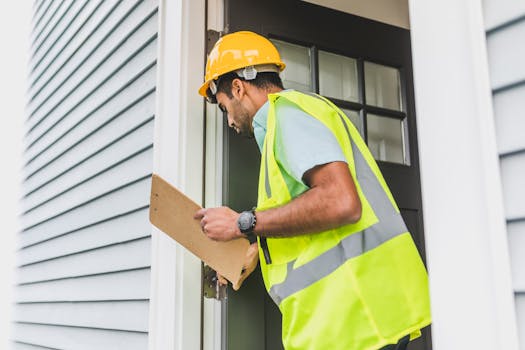
The auditor performs a thorough visual inspection, often using specialized equipment like blower doors and infrared cameras to pinpoint air leaks, inadequate insulation, and inefficient systems. This data provides concrete evidence of energy loss.

3
Analysis & Report Generation

All collected data is analyzed to create a detailed report outlining your home's energy performance, identifying specific areas of inefficiency, and prioritizing potential improvements. This report is your roadmap to a more efficient home.

4
Recommendations & Action Plan

You receive a comprehensive list of recommended upgrades, estimated costs for each, and projected energy savings. The auditor will explain financing options, rebates, and help you develop a practical action plan.

Understanding the Home Energy Audit Cost: What You Get for Your Money

When considering a home energy audit, the initial thought for many homeowners is, "What is the home energy audit cost?" It's a valid question, and the answer, like many home improvement services, isn't a single fixed price. Instead, it's a range, typically falling between $200 and $700 for a professional, comprehensive assessment. However, understanding what contributes to this cost and the immense value it provides is crucial. A professional home energy audit is far more than a casual walk-through. It's a scientific, diagnostic process designed to identify precisely where and how your home is losing energy. This involves a suite of specialized tools and expertise that justify the investment. Think of it as a comprehensive health check-up for your home's energy systems. Auditors use equipment like blower door tests to measure air leakage, infrared cameras to detect hidden insulation gaps and thermal bridging, and combustion analyzers to check the efficiency and safety of heating systems. They also assess your home's insulation levels, window performance, appliance efficiency, and overall ventilation. The cost often varies based on the size and complexity of your home. A sprawling, multi-story house with complex HVAC systems will naturally require more time and more extensive testing than a smaller, single-story residence. The level of detail in the audit report also plays a significant role. A basic audit might provide general recommendations, while a premium audit will offer a highly detailed, room-by-room analysis with precise cost-benefit ratios for each proposed improvement. Some audits even include follow-up consultations to help you implement the recommendations. It's important to differentiate between a quick, superficial assessment and a thorough, BPI (Building Performance Institute) certified audit. While some utility companies or contractors might offer a 'free' energy assessment, these are often less comprehensive and might primarily serve as a lead generation tool for their specific services. A professional, paid audit provides an objective, unbiased evaluation of your entire home's energy performance, regardless of whether the auditor performs the subsequent upgrades. This objectivity is invaluable for ensuring you get the most accurate and beneficial recommendations. Ultimately, the home energy audit cost should be viewed not as an expense, but as an investment. The money you spend upfront can lead to substantial, long-term savings on your utility bills, improved indoor comfort, and even increased home value. Many homeowners report recouping the audit cost within a year or two through reduced energy consumption. Moreover, knowing exactly where your home is inefficient allows you to make targeted, effective improvements, avoiding costly mistakes on upgrades that won't deliver the desired results. For a deeper dive into specific energy-saving strategies, explore our guide on home insulation options.

Factors Influencing Your Home Energy Audit Cost

Several key factors determine the final home energy audit cost you can expect to pay. Understanding these variables will help you budget effectively and choose the right type of audit for your needs. The primary driver is often the scope and depth of the audit. A basic, visual inspection might be at the lower end of the spectrum, possibly even free if offered by a utility company (though these often lack the diagnostic rigor of a paid audit). A comprehensive audit, which includes advanced diagnostic testing, will naturally command a higher price. One significant factor is the use of specialized equipment. A professional audit utilizes tools like blower doors, which depressurize your home to reveal air leakage points, and infrared cameras, which visualize temperature differences and pinpoint missing insulation or thermal bridges. These tools require significant investment and expertise to operate, contributing to the overall cost. Auditors also use combustion analyzers to check furnace and water heater efficiency and safety, and sometimes even duct blasters to assess the integrity of your HVAC ductwork. The more of these sophisticated tests included, the higher the cost. Another crucial factor is the size and complexity of your home. Larger homes with multiple stories, complex architectural designs, or numerous additions typically require more time for assessment and analysis. Similarly, homes with multiple HVAC zones, different types of heating and cooling systems, or unique construction features will increase the audit's duration and, consequently, its cost. Older homes, which often have more hidden deficiencies and unique construction challenges, may also fall on the higher end of the price spectrum due to the increased investigative work required. The auditor's qualifications and certifications also play a role. Auditors certified by organizations like the Building Performance Institute (BPI) have undergone rigorous training and adhere to industry standards, ensuring a high level of expertise and accuracy in their assessments. While a BPI-certified auditor might charge a bit more, their expertise often translates to more precise recommendations and greater long-term savings. Geographic location is also a factor, as labor costs and market rates for services can vary significantly from one region to another across the US. Auditors in high cost-of-living areas may charge more than those in more rural or less expensive regions. Finally, the level of detail in the final report and any post-audit support can influence the cost. Some auditors provide a basic summary, while others deliver an extensive, prioritized report with detailed cost-benefit analyses, potential rebate information, and even assistance with contractor selection. Understanding these variables upfront allows you to have an informed discussion with potential auditors and choose a service that aligns with your budget and energy-saving goals.

Maximizing Value: How to Get the Most from Your Energy Audit Investment

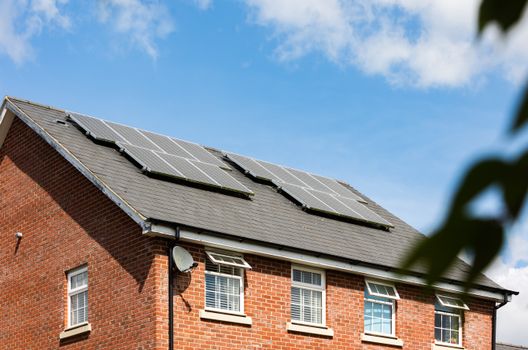
Once you've made the decision to invest in a home energy audit, the next step is ensuring you maximize its value. This isn't just about finding the lowest home energy audit cost, but about leveraging the audit's findings to achieve significant, lasting energy savings and improved home comfort. The real value of an audit comes from the actions you take based on its recommendations. First, be prepared for the audit. Gather at least 12 months of your utility bills (electricity, gas, oil) as this data provides the auditor with a baseline of your energy consumption and helps them identify seasonal trends and potential anomalies. Be ready to discuss any specific comfort issues you experience, such as drafts, cold spots, or rooms that are difficult to heat or cool. Point out any visible concerns like moisture stains, peeling paint, or unusual odors, as these can be indicators of underlying energy or moisture problems. The more information you provide, the more targeted and effective the audit will be. During the audit, don't be afraid to ask questions. A good auditor will be happy to explain their processes, the tools they're using, and what their findings mean. Understand the difference between major and minor recommendations and their potential impact on your energy bills. For instance, air sealing and insulation upgrades often offer the highest return on investment, while replacing an older, but still functional, appliance might have a longer payback period. After receiving the audit report, carefully review all recommendations. Prioritize improvements based on the auditor's suggestions for greatest impact and shortest payback period. Many reports will categorize recommendations as 'low-cost/no-cost,' 'medium-cost,' and 'high-cost.' Start with the low-cost options like sealing air leaks with caulk and weatherstripping, or ensuring proper thermostat settings. These can often yield immediate savings. For larger projects, such as upgrading insulation or replacing an HVAC system, research available incentives. Many utility companies, state programs, and federal initiatives offer rebates, tax credits, or low-interest loans for energy-efficient home improvements. These can significantly reduce your out-of-pocket expenses and accelerate your return on investment. For example, exploring solar panel incentives might be a worthwhile next step if your audit highlights high electricity usage. Finally, consider breaking down larger projects into manageable phases. You don't have to tackle everything at once. Start with the most impactful and affordable improvements, monitor your energy bills, and then move on to bigger projects as your budget allows. A comprehensive energy audit provides a roadmap; it's up to you to follow it to a more comfortable, efficient, and cost-effective home.

Avoiding Pitfalls and Common Mistakes with Your Energy Audit

While a home energy audit is a powerful tool for improving your home's efficiency, there are certain pitfalls and common mistakes homeowners make that can diminish its value. Being aware of these can help you navigate the process successfully and ensure your home energy audit cost is a worthwhile investment. One of the most common mistakes is choosing an auditor solely based on the lowest price. As mentioned, 'free' or extremely cheap audits often lack the diagnostic rigor and unbiased recommendations of a professional, BPI-certified assessment. These budget options might be a quick visual check, potentially overlooking critical issues or pushing specific products or services from the provider. Always prioritize an auditor's qualifications, experience, and reputation over just the cost. Look for certifications and positive reviews. Another pitfall is failing to prepare for the audit. Not having your utility bills ready, or not being able to clearly articulate your comfort concerns and problem areas, can lead to a less targeted and effective audit. The auditor relies on your input to focus their investigation. Being unprepared means they might miss crucial details that could lead to significant savings. Ignoring the audit report's recommendations or only implementing a few 'easy' fixes is another major mistake. The audit report is your personalized blueprint for energy savings. If you only address minor issues and neglect major air leaks or insulation deficiencies, you won't see the full potential savings. It's essential to view the report as a comprehensive guide and develop a plan to address the most impactful recommendations first. Homeowners sometimes make the mistake of not researching available incentives and rebates. Many federal, state, and local programs, as well as utility companies, offer financial assistance for energy-efficient upgrades. Failing to explore these options means leaving money on the table and making your upgrades more expensive than they need to be. Always ask your auditor about potential incentives or do your own research on government and utility websites. Finally, some homeowners make the mistake of attempting complex energy improvements themselves without proper knowledge or tools. While simple tasks like weatherstripping are DIY-friendly, major air sealing, insulation upgrades, or HVAC modifications are best left to qualified professionals. Improper installation can negate the benefits, or worse, create new problems like moisture issues or compromised indoor air quality. Trust the experts for significant improvements identified by your audit.

Comparison

FeatureProfessional BPI AuditUtility-Provided AuditDIY Visual Check
Typical Cost$200 - $700$0 - $150$0
Diagnostic Tools UsedBlower Door, IR Camera, etc.Limited (sometimes none)None
Report DetailComprehensive, prioritizedBasic recommendationsPersonal notes
Objectivity of RecommendationsHigh (independent)Medium (may push own services)Subjective
Potential Savings IdentifiedHigh (5%-30%)Medium (2%-10%)Low (based on visible issues)
Certifications

What Readers Say

"The home energy audit cost seemed like an investment initially, but it paid off within eight months! Our utility bills dropped by almost 20% after implementing just a few of their recommended air sealing and insulation improvements. Highly recommend."

Sarah J. · Austin, TX

"We'd been struggling with cold spots in our old house. The auditor used an infrared camera and immediately found huge gaps in our attic insulation. The audit cost was well worth the comfort improvement alone."

Mark D. · Denver, CO

"Our audit identified that our old water heater was a major energy hog. Replacing it, as they suggested, reduced our gas bill by $40 a month. The audit report was clear and the auditor was extremely knowledgeable."

Emily R. · Portland, OR

"The home energy audit cost was reasonable, and the report was thorough. While some recommendations were beyond my budget right now, I appreciated the clear prioritization and the tips on DIY air sealing that I could do myself. It's a great starting point."

David L. · Atlanta, GA

"As a landlord, I had an audit done on one of my rental properties. The auditor pinpointed several issues that were costing my tenants and me money. Implementing the fixes not only saved energy but also improved tenant satisfaction."

Maria P. · Chicago, IL

Frequently Asked Questions

What is the average home energy audit cost in the US?

The average home energy audit cost in the US for a professional, comprehensive assessment typically ranges from $200 to $700. This price can vary based on factors like home size, location, and the depth of the audit, including specialized diagnostic tests like blower door and infrared scans.

Is a home energy audit worth the investment?

Absolutely. A home energy audit is a highly valuable investment. It identifies specific areas of energy waste in your home, leading to targeted improvements that can reduce your utility bills by 5% to 30%. The cost of the audit is often recouped through energy savings within a relatively short period, making your home more comfortable and energy-efficient long-term.

How can I find a qualified energy auditor?

To find a qualified energy auditor, look for professionals certified by organizations like the Building Performance Institute (BPI) or RESNET. You can search their directories online, ask your utility company for recommendations, or seek referrals from trusted friends and neighbors. Always request references and compare quotes.

Are there any free or low-cost energy audits available?

Yes, some utility companies and local government programs offer free or low-cost energy assessments. While these can be a good starting point, they are often less comprehensive than paid professional audits and may not include advanced diagnostic testing. Always verify the scope of what's included before opting for a 'free' audit.

What should I expect during a professional home energy audit?

During a professional home energy audit, expect an auditor to review your utility bills, conduct a thorough visual inspection, and perform diagnostic tests like a blower door test (to measure air leakage) and an infrared scan (to identify insulation gaps). They will also inspect your HVAC system, water heater, and appliances, then provide a detailed report with prioritized recommendations.

How quickly will I see savings after an energy audit?

You can start seeing savings almost immediately after implementing the low-cost or no-cost recommendations from your energy audit, such as air sealing or adjusting thermostat settings. For larger upgrades like insulation or HVAC replacement, the full impact on your utility bills might take a billing cycle or two to become evident, but the long-term savings are substantial.

Can an energy audit detect safety issues in my home?

Yes, a comprehensive energy audit can often detect safety issues. Auditors check for proper ventilation, inspect combustion appliances for carbon monoxide leaks, and identify potential moisture problems that could lead to mold or structural damage. This adds an important safety benefit beyond just energy efficiency.

How do energy audits contribute to environmental sustainability?

Energy audits contribute significantly to environmental sustainability by reducing your home's overall energy consumption. This decreases your carbon footprint, lowers demand on power grids, and reduces the burning of fossil fuels, thereby lessening greenhouse gas emissions and promoting a healthier planet.

Investing in a home energy audit cost is a smart decision for any homeowner looking to save money, improve comfort, and enhance their home's value. Don't let the upfront expense deter you from uncovering significant, long-term savings. Take the proactive step today to understand your home's energy performance and embark on a path to a more efficient, comfortable, and sustainable living space.

Topics: home energy audit costenergy efficiency audithome performance assessmentenergy savingshome insulation cost
Leo List
Brampton weed
Adultwork EstrelaBet Vai de Bet R7 Bet Betão Galera Bet Rainbet Bet9ja Shop SportyBet BetKing Sisal Loto Foot Hollywoodbets YesPlay Odibets RushBet Jugabet BetWarrior BetCity MSport betPawa Fortebet