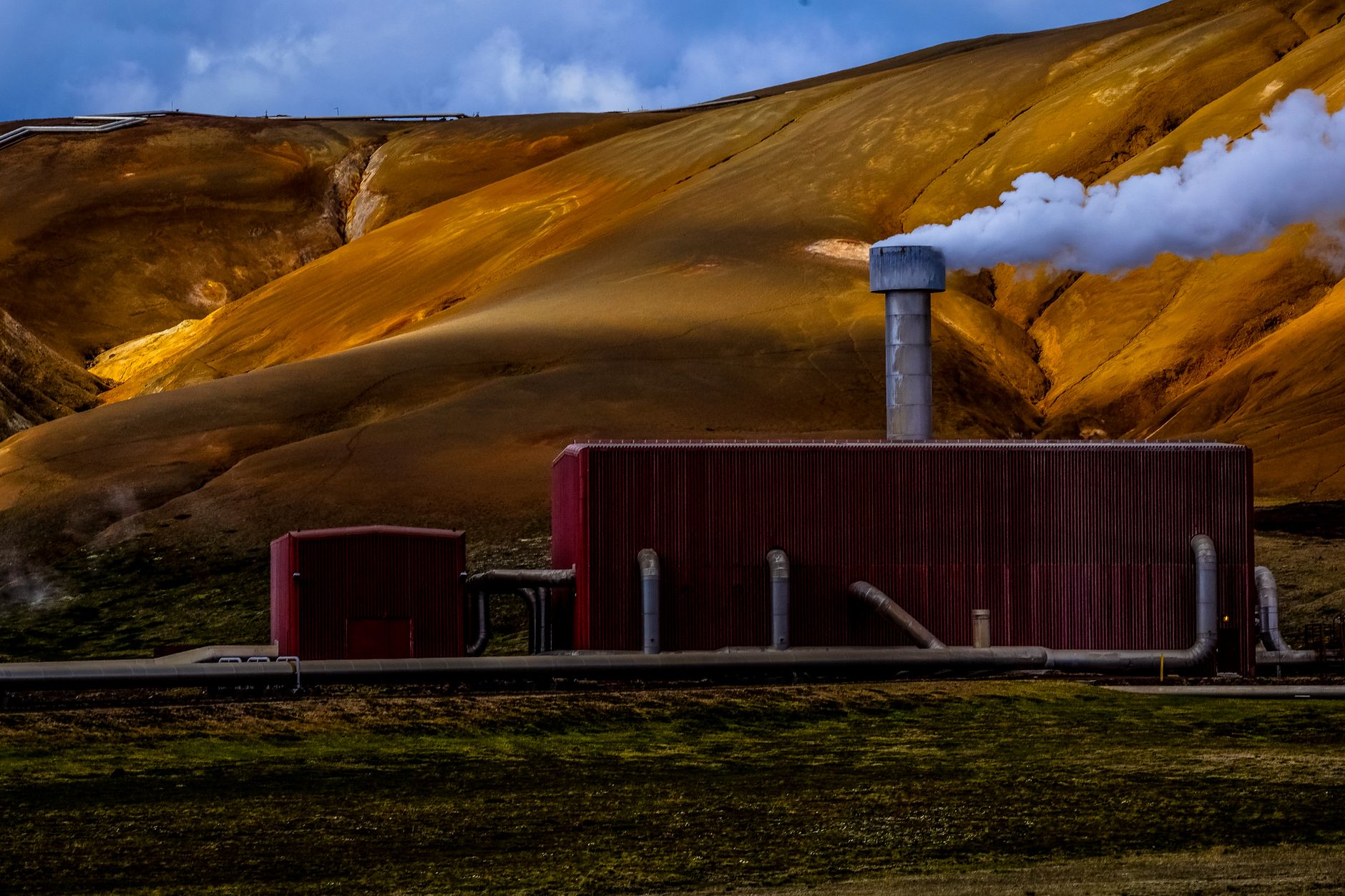
Geothermal Energy Advantages Disadvantages: A Deep Dive
Uncover the full spectrum of geothermal power, from its environmental perks to its implementation hurdles.
Explore Geothermal NowKey Takeaways
- ✓ Geothermal energy taps into the Earth's internal heat, offering a constant, reliable power source.
- ✓ The US is a global leader in geothermal electricity generation, primarily in western states.
- ✓ Geothermal systems can significantly reduce heating and cooling costs for homes and businesses.
- ✓ While environmentally friendly, initial drilling and installation costs can be substantial.
How It Works
Deep wells are drilled into the Earth's crust to access reservoirs of hot water or steam. These reservoirs are naturally heated by molten rock (magma) below the surface.
The high-pressure steam or hot water is brought to the surface. It's then used to spin turbines, which are connected to generators that produce electricity.
For direct use or geothermal heating/cooling systems, the heat from the Earth is transferred to a fluid in a closed-loop system. This heated fluid then circulates through a building.
After its heat is used, the cooled water is typically reinjected back into the Earth. This process ensures the sustainability of the geothermal reservoir and prevents depletion.
Unpacking the Environmental and Economic Benefits of Geothermal Energy
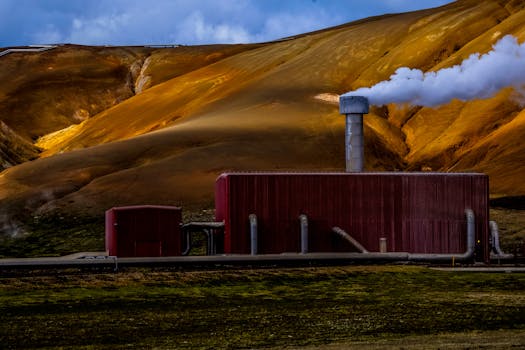 Photo: Francesco Ungaro / Pexels
Navigating the Hurdles: Challenges and Limitations of Geothermal Development
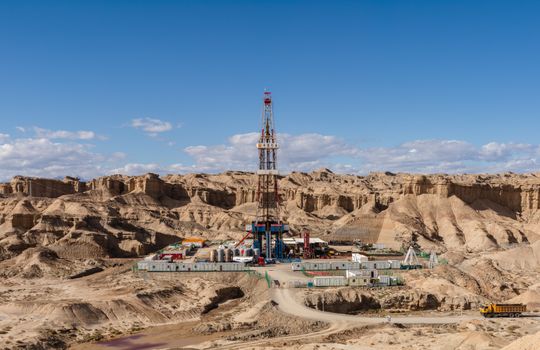 Photo: Yuan / Pexels
Geothermal's Role in the US Energy Landscape and Future Outlook
 Photo: Relaxing Journeys / Pexels
Tips for Considering Geothermal and Common Misconceptions
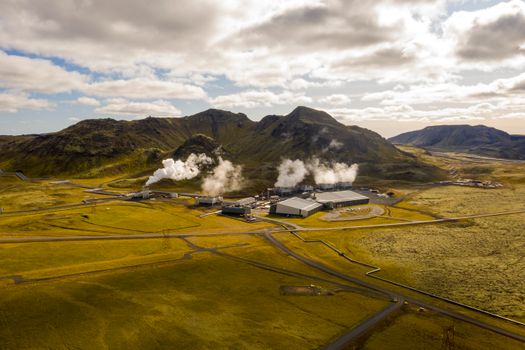 Photo: David Elvar Masson / Pexels
- Research local incentives: Federal, state, and utility programs can significantly lower costs.
- Get multiple quotes: Compare proposals from several certified geothermal installers.
- Understand your soil: Geological surveys impact loop design and cost.
- Consider long-term savings: Focus on lifetime operational costs, not just upfront price.
- Plan for space: Ensure adequate land for horizontal loops or budget for vertical drilling.
- Verify installer certifications: Choose NATE-certified professionals with geothermal expertise.
Comparison
| Feature | Geothermal | Solar PV | Natural Gas (Furnace/AC) |
|---|---|---|---|
| Reliability/Availability | 24/7 baseload (power) / Constant (HVAC) | Intermittent (daylight dependent) | Reliable (fuel supply dependent) |
| Carbon Emissions | Very Low | Very Low (during operation) | High |
| Fuel Cost | Free (Earth's heat) | Free (sunlight) | Volatile (market prices) |
| Upfront Cost | High | Moderate to High | Moderate |
| Operating Costs | Low | Low | Moderate to High |
| Geographical Limitations (Utility-scale) | Significant (specific geology) | Moderate (sunlight hours) | Low (pipeline access) |
| Lifetime (System) | 50+ years (ground loop), 20-25 years (indoor unit) | 25-30 years (panels) | 15-20 years (furnace/AC) |
| Noise Pollution | Very Low | None | Low (HVAC fan) |
What Readers Say
"Switching to geothermal for our home's heating and cooling was the best decision. Our energy bills have plummeted, and the house maintains a consistent, comfortable temperature year-round. The initial cost was a hurdle, but the long-term savings are undeniable."
Sarah J. · Boise, ID"As an engineer, I appreciate the efficiency of geothermal power plants. It's a stable, reliable source that doesn't rely on the weather. The industry's potential for growth in the western US is immense, and it's exciting to see the innovation."
Mark D. · Reno, NV"We installed a geothermal heat pump system two years ago, and our monthly utility costs dropped by over 40%. The comfort level inside our home is superior, and we feel good about our reduced environmental impact. It's truly a set-it-and-forget-it system."
Emily R. · Portland, OR"While the installation of our geothermal system was complex and took longer than expected, the performance has been excellent. The quiet operation and consistent heating/cooling are great. Just be prepared for the upfront investment and potential site-specific challenges."
David L. · Flagstaff, AZ"Our small business uses direct-use geothermal for greenhouse heating, and it's been a game-changer. Our operating costs are significantly lower, and our plants thrive in the consistent warmth. It's a fantastic, sustainable solution for agricultural applications."
Jessica M. · Santa Rosa, CAFrequently Asked Questions
What are the primary geothermal energy advantages disadvantages for homeowners?
For homeowners, the main advantages are significantly lower heating and cooling bills, consistent indoor comfort, and a reduced carbon footprint. Disadvantages include a high upfront installation cost, the need for adequate land for ground loops (or higher cost for vertical drilling), and potential disruption during installation.
Is geothermal energy truly renewable and sustainable?
Yes, geothermal energy is considered renewable because the Earth's heat is continuously produced by radioactive decay in its core. Modern geothermal systems reinject used water back into the reservoir, ensuring its long-term sustainability and preventing resource depletion. It's one of the most reliable renewable sources.
How long does a geothermal heating and cooling system last?
Geothermal heat pump systems are known for their longevity. The underground loop field can last 50 years or more, often outliving the home it serves. The indoor heat pump unit typically has a lifespan of 20-25 years, which is significantly longer than conventional HVAC systems.
What is the typical cost of installing a geothermal system in the US?
The cost of installing a residential geothermal system in the US can range from $20,000 to $45,000 or more, depending on the system size, type of ground loop, and geological conditions. However, federal tax credits (currently 30%) and various state/local incentives can significantly reduce this net cost, leading to substantial long-term savings.
How does geothermal compare to solar energy for home use?
Geothermal provides consistent heating and cooling regardless of weather, directly reducing HVAC costs. Solar PV primarily generates electricity, offsetting overall power consumption. Geothermal systems are more complex and costly to install but offer year-round climate control efficiency, while solar is more widespread for electricity generation.
Who should consider geothermal energy for their property?
Geothermal energy is ideal for homeowners, businesses, or institutions looking for significant long-term energy savings, consistent indoor comfort, and a reduced environmental footprint. It's particularly beneficial for new construction or properties undergoing major renovations where installation can be integrated efficiently.
Are there any environmental risks associated with geothermal energy development?
While generally very low-impact, potential environmental risks include induced seismicity (minor tremors) during reservoir stimulation, the release of trace amounts of greenhouse gases (like CO2, H2S) during drilling (though modern plants often reinject them), and localized land use for power plants. These are typically managed with strict regulations.
What is the future outlook for geothermal energy technology?
The future outlook for geothermal energy is promising, with ongoing research focused on Enhanced Geothermal Systems (EGS) to unlock resources in more locations. Advances in drilling technology, artificial intelligence for resource exploration, and hybrid systems are expected to lower costs and expand geothermal's role in a diverse, sustainable energy portfolio.
Understanding the geothermal energy advantages disadvantages is crucial for making informed decisions. Explore how this reliable, sustainable power source can benefit your home, business, or community, and contribute to a greener future.