✓ Renewables projected to exceed 50% of US electricity generation by 2030.
✓ Significant growth expected in offshore wind and advanced solar technologies.
✓ Battery storage capacity to multiply by over tenfold, enhancing grid stability.
✓ Federal and state policies are crucial drivers for accelerated renewable deployment.
How It Works
1
Policy & Investment Drives Growth
Government incentives like tax credits and regulatory frameworks reduce financial risks and encourage private sector investment. This creates a fertile ground for large-scale renewable projects to flourish across the nation.
2
Technological Advancements Scale Solutions
Ongoing innovation in solar panel efficiency, wind turbine design, and energy storage technologies makes renewables more cost-effective and reliable. These breakthroughs push the boundaries of what's possible in clean energy generation.
3
Grid Modernization & Integration
Smart grid technologies and enhanced transmission infrastructure are essential for integrating diverse renewable sources into the existing power network. This ensures stable and efficient delivery of clean energy to consumers.
4
Public & Corporate Adoption Accelerates Transition
Increasing consumer demand for sustainable options and corporate commitments to net-zero emissions drive widespread adoption of renewable energy. This societal shift is a powerful force in the transition away from fossil fuels.
The Landscape of US Renewable Energy by 2030
Photo: Michael Pointner / Pexels
The United States is on the precipice of a monumental energy transformation, with 2030 marking a critical waypoint in its journey towards a sustainable future. Projections from various governmental and independent energy agencies consistently indicate that renewable energy sources will constitute an increasingly dominant share of the nation's electricity generation. By the close of this decade, it is widely anticipated that renewables, encompassing solar, wind, hydro, geothermal, and biomass, will surpass 50% of the total electricity mix, a significant leap from current levels. This trajectory is not merely an aspiration but is underpinned by robust economic drivers, technological innovation, and evolving policy frameworks.
Solar power, particularly utility-scale photovoltaic (PV) installations and distributed rooftop solar, is expected to maintain its rapid growth. Advancements in panel efficiency, reductions in manufacturing costs, and innovative financing models are making solar an increasingly attractive and accessible option for both commercial and residential sectors. Furthermore, the development of perovskite solar cells and bifacial panels promises even greater energy harvesting capabilities, expanding the geographical viability of solar projects across the US. Wind energy, both onshore and the burgeoning offshore sector, is set to be another cornerstone of this transition. The sheer scale and consistent output of modern wind turbines, coupled with strategic siting in wind-rich regions, contribute significantly to grid decarbonization. Offshore wind, in particular, is poised for explosive growth, with ambitious targets set by federal and state governments to develop gigawatts of capacity along the Atlantic, Pacific, and Gulf coasts. These projects leverage stronger, more consistent winds found at sea, offering a powerful, large-scale solution for coastal population centers.
Beyond solar and wind, other renewable sources will play vital, albeit smaller, roles. Hydropower, while mature, will continue to provide stable baseload power and critical grid flexibility. Geothermal energy, tapping into the Earth's internal heat, offers a constant, dispatchable power source, with new drilling techniques and enhanced geothermal systems (EGS) expanding its potential beyond traditional volcanic regions. Biomass, when sustainably sourced, can provide renewable fuels and electricity, particularly for industrial processes and waste-to-energy solutions. The collective growth of these diverse sources underscores a comprehensive approach to decarbonizing the US energy sector. This multifaceted strategy ensures resilience and reliability, mitigating the intermittency challenges inherent in some renewable technologies. The integration of these diverse sources into a modernized grid will be paramount for achieving the ambitious targets set for 2030, laying the groundwork for a truly sustainable energy ecosystem. This shift represents not just an environmental imperative but a significant economic opportunity, fostering job creation and technological leadership within the US. The transformation is complex, requiring careful planning and execution, but the momentum is undeniable.
Technological Innovations Driving the Shift
Photo: Kindel Media / Pexels
The accelerating pace of renewable energy adoption is intrinsically linked to groundbreaking technological innovations. These advancements are not only driving down costs but also enhancing the efficiency, reliability, and integration capabilities of clean energy systems. One of the most critical areas of development is energy storage. Battery technology, primarily lithium-ion, has seen remarkable improvements in energy density, cycle life, and cost reduction. By 2030, utility-scale battery storage is expected to multiply by over tenfold, providing essential grid services such as frequency regulation, peak shaving, and firming intermittent renewable generation. Beyond lithium-ion, research into alternative battery chemistries, such as solid-state batteries, flow batteries, and even gravitational storage solutions, promises even greater safety, longevity, and cost-effectiveness. These diverse storage options will be crucial for ensuring a stable and reliable grid, even as the penetration of variable renewables increases dramatically.
Smart grid technologies and artificial intelligence (AI) are also transformative forces. AI-powered forecasting models can predict renewable energy output with greater accuracy, allowing grid operators to better manage supply and demand. Machine learning algorithms optimize energy distribution, minimize losses, and even orchestrate demand response programs, where consumers adjust their energy consumption in response to price signals or grid needs. Digital twins of energy infrastructure allow for predictive maintenance, reducing downtime and operational costs. Furthermore, the development of advanced transmission lines, including high-voltage direct current (HVDC) systems, will enable the efficient transfer of renewable energy from remote generation sites to demand centers, overcoming geographical limitations and enhancing grid resilience. These technological enhancements are not merely incremental; they represent a fundamental shift in how electricity is generated, managed, and consumed.
Another significant area of innovation lies in the efficiency and design of renewable generation assets themselves. For solar, bifacial panels that capture sunlight from both sides, transparent solar cells for building integration, and concentrated solar power (CSP) with thermal storage capabilities are expanding the utility of solar technology. In wind energy, larger and more efficient turbines, coupled with advanced aerodynamic designs and intelligent control systems, are extracting more energy from lower wind speeds. Floating offshore wind platforms are opening up vast new areas for wind development in deeper waters, previously inaccessible to fixed-bottom turbines. Hybrid renewable energy projects, combining solar and wind with co-located battery storage, are becoming increasingly common, offering a more consistent and dispatchable power output. These integrated systems demonstrate a sophisticated evolution in renewable project development, maximizing resource utilization and minimizing land footprint. The synergy between these various technological advancements is creating a robust and flexible energy system, positioning the US to lead in the global clean energy transition and paving the way for a more resilient and decarbonized power grid.
Policy, Economic Drivers, and Societal Impact
Photo: Tony Mrst / Pexels
The rapid advancement in renewable energy in the US is not solely a product of technological prowess; it is equally propelled by a confluence of supportive policies, compelling economic drivers, and a growing societal commitment to sustainability. Federal policies, notably the Inflation Reduction Act (IRA) of 2022, represent a landmark piece of legislation, providing unprecedented tax credits and incentives for renewable energy deployment, manufacturing, and energy storage. These long-term, stable incentives have significantly de-risked investments in clean energy, attracting billions of dollars in private capital and spurring a domestic manufacturing renaissance for solar panels, wind turbine components, and batteries. State-level policies, such as Renewable Portfolio Standards (RPS) mandating a certain percentage of electricity from clean sources, and aggressive decarbonization goals set by states like California, New York, and Massachusetts, further amplify these efforts. These policies create a predictable market environment, encouraging utilities and developers to commit to large-scale renewable projects.
Economically, renewable energy has become increasingly competitive, often outcompeting fossil fuels on a levelized cost of electricity (LCOE) basis. The continuous decline in the cost of solar PV and wind power over the past decade has made them the cheapest forms of new electricity generation in many regions. This cost advantage, combined with the zero-fuel-cost nature of renewables, offers long-term price stability for consumers and businesses, shielding them from volatile fossil fuel markets. Furthermore, the renewable energy sector is a powerful engine for job creation. From manufacturing and installation to operations and maintenance, the burgeoning clean energy industry is generating hundreds of thousands of high-quality jobs across the country, revitalizing local economies and fostering a skilled workforce. This economic benefit extends to rural communities, where many large-scale solar and wind farms are located, providing landowners with lease payments and local governments with increased tax revenues.
The societal impact of this energy transition is profound and multifaceted. Beyond mitigating climate change and improving air quality, which directly benefits public health, the shift to renewables enhances energy independence and security. Reducing reliance on imported fossil fuels and diversifying the domestic energy mix strengthens national security and insulates the US from geopolitical energy shocks. Public awareness and demand for sustainable practices are also at an all-time high, with consumers and corporations increasingly prioritizing clean energy. Corporate Power Purchase Agreements (PPAs) for renewable energy are becoming standard practice for major companies looking to meet their sustainability goals and reduce their carbon footprint. This broad-based support, from policy makers to industry leaders and individual citizens, creates a powerful feedback loop, accelerating the transition. The equitable distribution of benefits and addressing potential challenges, such as land use conflicts and grid modernization costs, will be crucial for ensuring a just and inclusive energy transition that leaves no community behind. The journey to 2030 is not just about technology and economics; it is about building a more resilient, equitable, and sustainable future for all Americans.
Addressing Challenges and Maximizing Opportunities for 2030
Photo: Martijn Stoof / Pexels
While the outlook for the future of renewable energy in the US by 2030 is overwhelmingly positive, navigating this transition effectively requires a clear-eyed approach to the challenges that lie ahead. Addressing these hurdles proactively will be critical to realizing the full potential of a clean energy economy. Here are key challenges and opportunities:
* **Grid Modernization and Interconnection:** The existing US electricity grid was largely built for centralized, dispatchable fossil fuel power plants. Integrating a large volume of distributed and intermittent renewable sources requires significant upgrades to transmission and distribution infrastructure. Bottlenecks in interconnection queues for new renewable projects are a major concern. Opportunity: Investing in smart grid technologies, advanced energy management systems, and high-voltage direct current (HVDC) lines can streamline integration, enhance grid flexibility, and reduce curtailment of renewable energy. Policy support for expedited permitting and strategic grid expansion will be essential.
* **Supply Chain Resilience:** The rapid growth of the renewable energy sector has highlighted vulnerabilities in global supply chains, particularly for critical minerals and manufacturing components. Reliance on a few key countries for materials and finished goods can expose the US to geopolitical risks and price volatility. Opportunity: Fostering domestic manufacturing capacity for solar panels, wind turbine components, and batteries, supported by policies like the IRA, strengthens national energy security, creates jobs, and builds a more resilient supply chain. Diversifying sourcing and investing in recycling technologies for renewable components will also be vital.
* **Energy Storage Deployment:** While battery storage is growing, scaling it to meet the needs of a largely renewable grid presents challenges related to cost, raw material availability, and long-duration storage solutions. Opportunity: Continued R&D into diverse storage technologies (e.g., flow batteries, compressed air, green hydrogen, pumped hydro) is crucial. Incentives for deployment at utility-scale, commercial, and residential levels will accelerate adoption. Developing a robust domestic battery manufacturing ecosystem is also a key opportunity.
* **Permitting and Siting:** Large-scale renewable projects, particularly wind and solar farms, require significant land area and face complex permitting processes at local, state, and federal levels. This can lead to delays and increased project costs. Opportunity: Streamlining permitting processes while ensuring environmental protection and community engagement can accelerate deployment. Encouraging co-location of renewables with existing infrastructure (e.g., brownfields, agricultural lands with agrivoltaics) and innovative siting solutions can mitigate land use conflicts. Public education and early community involvement are paramount.
* **Workforce Development:** The clean energy transition requires a skilled workforce to design, install, operate, and maintain new technologies. There is a need to retrain workers from traditional energy sectors and attract new talent. Opportunity: Investing in vocational training programs, community college initiatives, and university research partnerships can build a robust pipeline of skilled labor. Policies supporting just transition initiatives for fossil fuel workers can ensure equitable economic opportunities.
Comparison
Feature
Solar PV (2030)
Onshore Wind (2030)
Offshore Wind (2030)
Battery Storage (2030)
Cost Trend
Decreasing
Stable/Decreasing
Decreasing
Significantly Decreasing
Capacity Factor
15-30%
35-50%
45-60%
N/A (Grid Service)
Land Footprint
Moderate
Large
Low (ocean-based)
Low
Intermittency
High
Moderate
Moderate/Low
Resolves Intermittency
Dispatchability
✗
✗
✗
✓
US Growth Potential
High
Moderate
Very High
Very High
What Readers Say
★★★★★
"The insights into the future of renewable energy 2030 are incredibly motivating. It's clear that the US is making huge strides, and this article perfectly outlines the 'how'."
Sarah Chen · Austin, TX
★★★★★
"As an energy consultant, I found this piece on the future of renewable energy 2030 to be exceptionally well-researched. It provides a comprehensive overview of the technological and policy drivers."
Michael Rodriguez · Denver, CO
★★★★★
"After reading this, I'm much more optimistic about our energy future. The focus on offshore wind and battery storage by 2030 really highlights the concrete progress being made."
Emily Watson · Boston, MA
★★★★★
"A very informative article on the future of renewable energy 2030. While it paints a bright picture, I'd love to see even more emphasis on the challenges of grid modernization, though it was touched upon."
David Kim · San Francisco, CA
★★★★★
"This article clarified so many aspects of the US energy transition for me. The detailed breakdown of policy impacts on the future of renewable energy 2030 was particularly helpful for understanding the 'why' behind the growth."
Jessica Lee · Orlando, FL
Frequently Asked Questions
What is the projected share of renewable energy in US electricity by 2030?
Current projections from various energy agencies, including the EIA, suggest that renewable energy sources are expected to account for over 50% of the total electricity generation in the United States by 2030. This significant increase will be driven primarily by solar and wind power, supported by advancements in energy storage and grid infrastructure.
Will the US grid be able to handle such a high percentage of intermittent renewables by 2030?
Yes, significant investments are being made in grid modernization, smart grid technologies, and energy storage solutions to ensure grid stability and reliability. Battery storage capacity is projected to multiply dramatically, and advanced forecasting and control systems will help manage the intermittency of solar and wind power, ensuring a resilient energy supply.
How can I contribute to the renewable energy future by 2030?
You can contribute by installing rooftop solar if feasible, choosing green energy plans from your utility, investing in energy-efficient appliances, supporting policies that promote renewables, and advocating for clean energy in your community. Even small actions collectively drive demand and accelerate the transition.
Is renewable energy more expensive than traditional fossil fuels for the consumer by 2030?
No, in many regions, new utility-scale solar and wind projects are already the cheapest forms of electricity generation. By 2030, with continued cost reductions and policy support, renewable energy is expected to be highly competitive, offering stable and often lower long-term electricity prices for consumers compared to volatile fossil fuel costs.
How does the US compare to other countries in terms of renewable energy goals for 2030?
The US has ambitious goals, particularly with the Inflation Reduction Act, aiming for significant emissions reductions and renewable energy deployment. While some European countries have even higher renewable penetration targets, the sheer scale of the US energy market and its accelerating pace of deployment position it as a global leader in the clean energy transition by 2030.
Who benefits most from the future of renewable energy 2030?
Everyone benefits from cleaner air, a more stable climate, and enhanced energy security. Economically, the renewable energy sector creates jobs, stimulates innovation, and provides stable energy prices. Consumers benefit from lower electricity costs over time, and businesses gain from reduced operational costs and improved sustainability profiles.
Are there any significant risks associated with the rapid expansion of renewables by 2030?
Key risks include challenges in grid modernization, supply chain vulnerabilities for critical materials, and the need for effective long-duration energy storage. However, proactive policy measures, technological innovation, and strategic investments are actively addressing these risks to ensure a smooth and successful transition.
What new technologies will be mainstream in renewable energy by 2030?
By 2030, advanced battery storage (beyond current lithium-ion), floating offshore wind platforms, bifacial solar panels, and smart grid systems powered by AI will likely be mainstream. Green hydrogen production, enhanced geothermal systems, and carbon capture technologies integrated with bioenergy will also see significant advancements and deployment.
The future of renewable energy 2030 in the US is not just a vision, but a rapidly unfolding reality. Embrace this transformative journey towards a sustainable, resilient, and prosperous energy landscape. Explore how these changes will impact you and become part of the solution today.

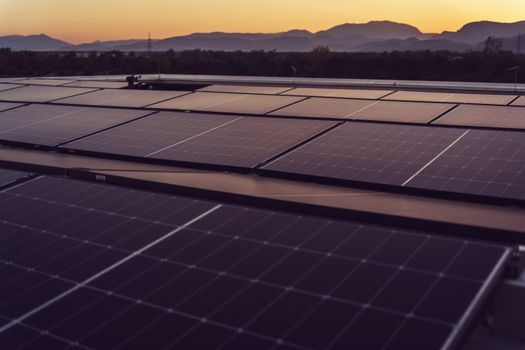 Photo: Michael Pointner / Pexels
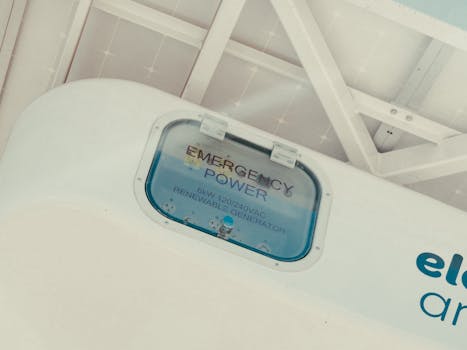 Photo: Kindel Media / Pexels
 Photo: Tony Mrst / Pexels
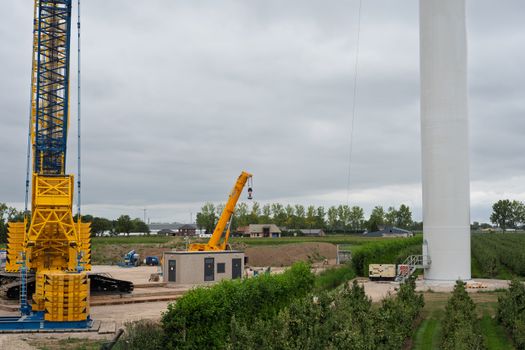 Photo: Martijn Stoof / Pexels