✓ Home energy storage systems can reduce electricity bills by up to 30% through time-of-use optimization.
✓ The average home battery can provide 8-12 hours of backup power, with larger systems offering days of resilience.
✓ Integrating storage with solar panels can increase self-sufficiency to over 90% for many households.
✓ Federal and state incentives can cover 20-50% of installation costs for residential energy storage in the US.
How It Works
1
Energy Generation & Collection
Solar panels convert sunlight into DC electricity. This power can be used immediately by your home or routed to your battery storage system.
2
Storage & Conversion
Excess DC electricity from solar panels is stored in a battery, often converted to AC by an inverter. Grid power can also charge the battery during off-peak hours.
3
Powering Your Home
When needed, the stored energy is converted back to AC (if necessary) and supplied to your home. This happens during peak demand, outages, or when solar production is low.
4
Grid Interaction & Optimization
Your system intelligently manages energy flow, deciding whether to use solar, battery, or grid power. It can also send excess energy back to the grid for credits.
Understanding Residential Energy Storage Systems
Photo: Arturo Añez. / Pexels
The concept of energy storage solutions for homes has rapidly evolved from a niche luxury to a mainstream necessity for many homeowners across the United States. At its core, a residential energy storage system (RESS) captures electricity, stores it, and then releases it when your home needs it. This isn't just about having power during an outage; it's about optimizing your energy consumption, reducing your reliance on the grid, and contributing to a more sustainable energy future. Imagine a scenario where your solar panels generate more electricity than your home consumes during the day. Without storage, that excess energy would typically be sent back to the grid, often for minimal credit. With a battery storage system, that energy is instead saved, ready to power your home through the night or during periods of high demand. This capability translates directly into tangible benefits, including lower electricity bills due to reduced peak-time consumption and enhanced energy independence. Furthermore, the integration of smart home technology with these storage systems allows for unprecedented control and automation. Homeowners can program their systems to prioritize charging during off-peak hours when electricity is cheaper, or to discharge power during expensive on-peak times, effectively turning their home into a micro-utility. The sophistication of modern battery management systems (BMS) ensures optimal performance, longevity, and safety, constantly monitoring cell health, temperature, and charge cycles. The market for energy storage solutions for homes is booming, driven by factors such as increasing grid instability, rising electricity costs, and a growing desire for environmental stewardship. From urban dwellings to remote rural properties, the applicability of these systems is broad, offering tailored solutions to meet diverse energy needs and financial objectives. Understanding the foundational principles of how these systems capture, store, and distribute energy is the first step towards making an informed decision about integrating one into your home. It's not merely an appliance; it's a strategic investment in your home's resilience and economic future. The shift towards distributed energy resources, where power is generated and stored closer to the point of consumption, represents a fundamental change in how we think about and consume electricity. This decentralization reduces strain on the national grid and empowers individual homeowners to take an active role in their energy management. For more insights on general energy optimization, check out our guide on sustainable energy practices.
Key Benefits of Implementing Home Battery Storage
Investing in energy storage solutions for homes offers a multitude of compelling advantages that extend far beyond simply having backup power. One of the most significant benefits is achieving greater energy independence and resilience. In an era of increasing extreme weather events and an aging electrical grid, power outages are becoming more frequent and prolonged. A home battery storage system acts as an automatic, seamless backup, keeping essential appliances running when the grid goes down. Unlike noisy, fuel-dependent generators, battery systems operate silently and produce no emissions, making them ideal for residential use. This peace of mind, knowing your family will have power during an emergency, is invaluable. Beyond emergency preparedness, economic savings represent another primary driver for adopting home energy storage. Many utility companies employ 'time-of-use' (TOU) billing, where electricity prices fluctuate throughout the day, being highest during peak demand hours. With a battery, you can practice 'load shifting' – charging your battery when electricity rates are low (off-peak) and discharging it to power your home when rates are high (on-peak). This strategic energy management can significantly reduce your monthly electricity bills. For homes with solar panels, battery storage supercharges their solar investment. Instead of sending excess solar energy back to the grid for minimal credit, you can store it for later use. This dramatically increases your 'self-consumption' of solar power, maximizing the financial returns and environmental benefits of your photovoltaic system. It essentially allows you to use your solar energy even when the sun isn't shining, making your home significantly more self-sufficient. Furthermore, integrating energy storage solutions for homes contributes to a more sustainable and stable energy grid. By reducing demand during peak hours, individual homes collectively lessen the strain on power plants and transmission infrastructure, which can delay the need for costly new power plant construction and reduce reliance on fossil fuel 'peaker' plants. This distributed storage model supports grid modernization and helps integrate more intermittent renewable energy sources like solar and wind into the overall energy mix. The environmental benefits are also clear: by optimizing renewable energy use and potentially reducing reliance on fossil-fuel generated electricity, homeowners are directly lowering their carbon footprint. The smart management features often included with these systems also allow for remote monitoring and control, giving you unprecedented insight and command over your home's energy profile. From reducing your carbon footprint to fortifying your home against power disruptions and lowering energy expenses, the benefits are both immediate and long-term, making home energy storage a wise investment for the modern homeowner.
Choosing the Right Home Energy Storage Solution
Navigating the diverse landscape of energy storage solutions for homes can seem daunting, but by understanding key factors, you can confidently select the system best suited for your needs. The primary consideration is battery chemistry, with lithium-ion batteries dominating the residential market due to their high energy density, long cycle life, and relatively compact size. Within lithium-ion, variations like Lithium Iron Phosphate (LFP) are gaining popularity for their enhanced safety and even longer lifespan compared to traditional NMC (Nickel Manganese Cobalt) chemistries. While lead-acid batteries are a cheaper upfront option, their shorter lifespan, lower efficiency, and larger footprint often make them less cost-effective in the long run for most residential applications. The capacity of the battery, measured in kilowatt-hours (kWh), is another critical decision point. This determines how much energy your system can store. To estimate your required capacity, assess your daily energy consumption and identify which essential appliances you want to power during an outage, and for how long. A typical home might use 20-30 kWh per day, but critical loads during an outage could be much less. Many systems are modular, allowing you to add more battery units as your needs evolve or your budget allows. Power output, measured in kilowatts (kW), indicates how much electricity the battery can deliver at any given moment. This is crucial for determining if the system can simultaneously run high-demand appliances like air conditioners or electric ovens. A system with high capacity but low power output might store a lot of energy but struggle to deliver it quickly enough for certain loads. Inverter technology is equally vital. Hybrid inverters are becoming standard, seamlessly managing power flow between solar panels, batteries, the grid, and your home, often with integrated smart features for optimization. Some systems offer 'whole-home backup,' while others are designed for 'partial home backup' (powering only essential circuits). Installation complexity and compatibility with existing solar setups (if applicable) also play a role. It's essential to work with a certified installer who can assess your home's electrical system and design a solution that meets local codes and your specific requirements. Finally, consider warranties and manufacturer reputation. A robust warranty, typically 10-15 years, provides assurance regarding battery degradation and performance. Researching customer reviews and the track record of brands like Tesla Powerwall, Enphase Encharge, LG Chem RESU, and Generac PWRcell can provide valuable insights. The cost-benefit analysis should factor in not just the upfront price but also potential savings from time-of-use optimization, federal tax credits (like the Investment Tax Credit for solar + storage), and state or local incentives. By carefully evaluating these aspects, you can confidently select an energy storage solution that not only meets your present needs but also future-proofs your home's energy infrastructure. For a deeper dive into financial incentives, consult our article on US renewable energy incentives.
Essential Tips and Common Mistakes to Avoid
When venturing into energy storage solutions for homes, a well-informed approach can save you time, money, and frustration. Here are essential tips and common mistakes to avoid:
**Tips for a Smooth Transition:**
* **Conduct a Thorough Energy Audit:** Before even considering a battery, understand your home's energy consumption. Identify peak usage times and essential loads you'd want to power during an outage. This data is crucial for sizing your system correctly.
* **Prioritize Energy Efficiency First:** The most cost-effective energy is the energy you don't use. Upgrade insulation, switch to LED lighting, and consider energy-efficient appliances before investing heavily in storage. This reduces the size (and cost) of the battery you'll need.
* **Get Multiple Quotes from Certified Installers:** Don't settle for the first offer. Obtain quotes from at least three reputable, licensed, and insured installers specializing in energy storage. Compare not just price, but also warranty, customer service, and proposed system components.
* **Understand Your Utility's Policies:** Research net metering rules, time-of-use rates, and any specific requirements or incentives offered by your local utility. This knowledge is vital for optimizing your system's financial benefits.
* **Plan for Expandability:** If your budget is limited now, choose a modular system that allows you to add more battery capacity in the future. Your energy needs might change, or new technologies might emerge.
**Common Mistakes to Avoid:**
* **Undersizing or Oversizing the System:** An undersized battery won't provide adequate backup or savings, while an oversized one is an unnecessary expense. Accurate load assessment is key.
* **Ignoring Warranty and Lifespan:** Batteries are a long-term investment. A poor warranty or a short expected lifespan can negate any initial savings. Always check the manufacturer's warranty on capacity retention over time.
* **Neglecting Safety Considerations:** Battery storage involves high voltage. Ensure your installer adheres to all local electrical codes and safety standards. Proper ventilation and placement are critical.
* **Focusing Solely on Price:** The cheapest option isn't always the best. Quality components, experienced installation, and reliable customer support are worth paying for to ensure long-term performance and safety.
* **Not Understanding Incentives:** Failing to take advantage of federal tax credits (like the ITC) or state/local rebates can significantly increase your out-of-pocket costs. Research all available financial assistance.
* **DIY Installation (Unless Qualified):** While some components might seem simple, the high voltage and complex wiring of battery systems require professional expertise. Improper installation can be dangerous and void warranties.
By heeding these tips and avoiding common pitfalls, you can ensure your journey into home energy storage is a successful and rewarding one, providing lasting benefits for your home and finances.
Comparison
Feature
Lithium Iron Phosphate (LFP)
NMC Lithium-Ion (e.g., Tesla Powerwall)
Lead-Acid (Flooded/AGM)
Cost (per kWh)
Moderate
Moderate-High
Low
Lifespan (Cycles)
6,000 - 10,000+
3,000 - 6,000
500 - 1,500
Safety Profile
Excellent (Thermal Stability)
Very Good (Advanced BMS)
Good (Requires Ventilation)
Efficiency (Round Trip)
90-95%
90-95%
70-85%
Maintenance
Low
Low
High (Flooded requires watering)
Size/Weight
Compact/Moderate
Compact/Moderate
Bulky/Heavy
Depth of Discharge (DoD)
90-100%
90-100%
50-70% (to preserve lifespan)
What Readers Say
★★★★★
"Installing a home battery system was a game-changer! We've cut our peak-hour electricity usage dramatically and haven't lost power once during the recent storms. It's truly one of the best energy storage solutions for homes we could have chosen."
Sarah J. · Austin, TX
★★★★★
"Our solar panels now feel complete with battery storage. We're maximizing our self-consumption and barely pull from the grid. The peace of mind knowing we're covered during outages is priceless."
Mark T. · San Diego, CA
★★★★★
"Our electricity bill dropped by over 40% last month thanks to our new energy storage solution. The system seamlessly switches to battery power during peak summer afternoons, saving us a fortune. Highly recommend for any homeowner."
Emily R. · Phoenix, AZ
★★★★★
"The installation process for our home battery was a bit longer than expected due to local permitting, but the system itself works flawlessly. We're still learning to optimize it, but the initial savings and backup capability are impressive. It's a solid investment."
David L. · Seattle, WA
★★★★★
"Living off-grid sometimes meant generator noise, but our new battery system paired with solar has transformed our energy experience. It's quiet, reliable, and provides all the power we need, truly one of the best energy storage solutions for homes in remote areas."
Jessica M. · Rural Maine
Frequently Asked Questions
What are the primary benefits of installing energy storage solutions for homes?
The main benefits include energy independence, significant savings on electricity bills through time-of-use optimization, reliable backup power during grid outages, and a reduced carbon footprint. It allows you to maximize your solar investment by storing excess energy for later use, rather than sending it back to the grid for minimal credit.
Are home battery storage systems safe?
Modern home battery storage systems, especially those using lithium-ion technology like LFP, are designed with multiple layers of safety features, including advanced battery management systems (BMS) that monitor temperature, voltage, and current. When installed by certified professionals according to local codes, they are very safe. Proper ventilation and placement are key.
How do I determine the right size of battery for my home?
Determining the right size involves assessing your daily electricity consumption, identifying your critical loads (appliances you want to power during an outage), and deciding how long you want to power them. A professional energy consultant or installer can conduct an energy audit to accurately calculate your needs and recommend an appropriately sized system.
What is the typical cost of energy storage solutions for homes?
The cost varies widely based on battery capacity, brand, chemistry, installation complexity, and whether it's integrated with solar. Systems can range from $10,000 to $30,000+ before incentives. However, federal tax credits (like the 30% ITC) and various state/local rebates can significantly reduce the net cost, making it a more affordable investment.
How do home battery systems compare to traditional generators for backup power?
Home battery systems offer silent, emission-free operation, automatic transfer during outages, and can be integrated with solar for continuous charging. Generators, while often having higher power output for very large loads, are noisy, require fuel, produce emissions, and need manual refueling. Batteries also provide daily financial benefits through energy optimization, unlike generators.
Who should consider installing energy storage solutions for homes?
Homeowners with solar panels looking to maximize self-consumption, those living in areas prone to power outages, individuals facing high time-of-use electricity rates, or anyone seeking greater energy independence and a reduced carbon footprint should strongly consider energy storage solutions for homes.
What are the maintenance requirements for a home battery system?
Modern home battery systems, particularly lithium-ion, are largely maintenance-free. They are typically sealed units with sophisticated internal management. It's generally recommended to have a professional check-up during your regular solar system maintenance, if applicable, to ensure optimal performance and address any software updates.
What are the future trends in home energy storage technology?
Future trends include increased energy density, lower costs, enhanced safety features, and the integration of artificial intelligence for even smarter energy management. We'll also see more vehicle-to-grid (V2G) capabilities, allowing electric vehicles to act as temporary home batteries, and continued development of alternative battery chemistries for broader applications.
Ready to take control of your home's energy future? Explore the leading energy storage solutions for homes and discover how you can achieve greater independence, significant savings, and reliable power. Contact a certified installer today for a personalized assessment and step into a more resilient, sustainable tomorrow.

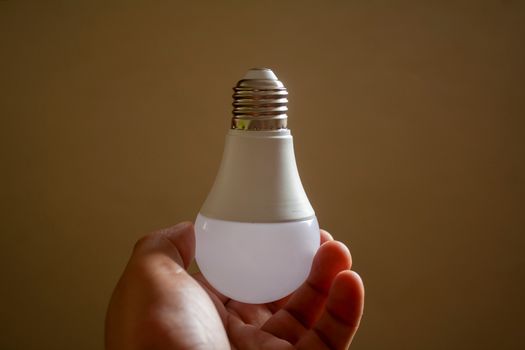 Photo: Arturo Añez. / Pexels