How to Buy Electric Car Charger for Your Home: A Guide
Unlock the convenience of home EV charging with our expert guide to selecting and installing the ideal electric car charger.
Find Your Perfect ChargerKey Takeaways
- ✓ Most EV owners charge at home for convenience and cost savings.
- ✓ There are three main levels of EV charging: Level 1, Level 2, and Level 3 (DC Fast Charging).
- ✓ Level 2 chargers are the most common and practical choice for home installation.
- ✓ Installation costs for a Level 2 charger can vary widely based on your home's electrical panel and wiring.
- ✓ Federal and state incentives can significantly reduce the cost of purchasing and installing an EV charger.
How It Works
Determine your daily driving habits, vehicle's battery size, and desired charging speed. This helps narrow down suitable charger types.
Consult an electrician to check your home's electrical panel capacity. This ensures your system can safely support a new Level 2 charger.
Select a Level 2 charger that matches your EV's charging port (J1772 or Tesla), desired features, and budget. Consider smart features for better control.
Hire a certified electrician to install your chosen charger. Proper installation is crucial for safety, efficiency, and warranty compliance.
Why Buy an Electric Car Charger for Your Home?
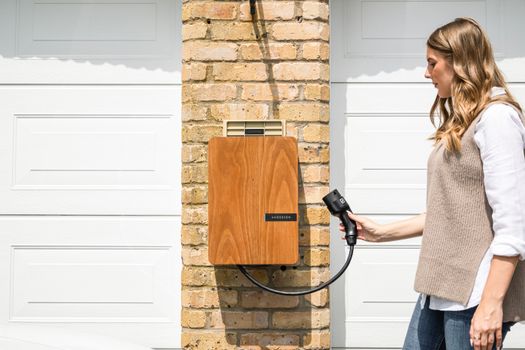 Photo: Andersen EV / Pexels
Understanding EV Charger Levels and Compatibility
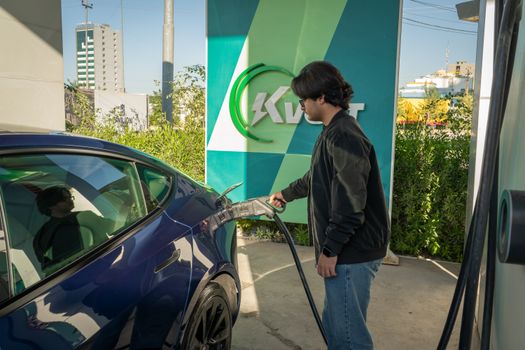 Photo: 04iraq / Pexels
Factors to Consider Before You Buy Electric Car Charger
 Photo: Giant Asparagus / Pexels
Installation Process, Costs, and Incentives for Home EV Chargers
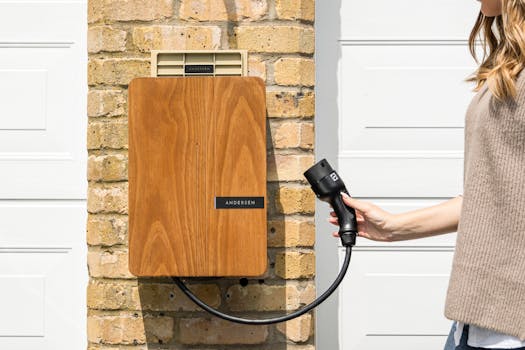 Photo: Andersen EV / Pexels
Comparison
| Feature | Best Option (e.g., Wallbox Pulsar Plus) | Alternative 1 (e.g., ChargePoint Home Flex) | Alternative 2 (e.g., Tesla Wall Connector) |
|---|---|---|---|
| Amperage Range | 16-48A | 16-50A | 12-48A |
| Connector Type | J1772 | J1772 | Tesla (J1772 adapter included) |
| Smart Features | ✓ (Wi-Fi, App, Energy Mgmt) | ✓ (Wi-Fi, App, Scheduling, Energy Mgmt) | ✓ (Wi-Fi, App, Power Sharing) |
| Hardwired/Plug-in | Both (NEMA 14-50) | Both (NEMA 14-50 or 6-50) | Hardwired Only |
| Cable Length | 25 ft | 23 ft | 24 ft |
| Outdoor Rated | ✓ (NEMA 4) | ✓ (NEMA 3R) | ✓ (NEMA 3R) |
| Typical Price Range (Unit) | $600 - $700 | $700 - $850 | $475 - $500 |
What Readers Say
"Deciding to buy electric car charger for my Tesla was the best decision. The Wallbox Pulsar Plus is fantastic; it charges my Model 3 overnight, and the app lets me schedule charging during off-peak hours, saving me money. The installation was smooth too."
Sarah J. · Austin, TX"I researched a lot before I decided to buy electric car charger. The ChargePoint Home Flex has been incredibly reliable for my Hyundai Ioniq 5. The build quality feels solid, and the charging speed is perfect for my daily commute. No more public charging hassle!"
Mark D. · Seattle, WA"After installing our new Enel X Way JuiceBox, our electricity bill for vehicle charging dropped by 20% thanks to smart scheduling. It's a game-changer for our family's two EVs, providing consistent, fast charging every single night."
Emily R. · Denver, CO"The Grizzl-E Classic I bought does exactly what it promises – robust, reliable charging. It's a no-frills unit, which is exactly what I wanted. The only reason it's not a 5 is that its app features are minimal compared to some competitors, but for pure charging, it's excellent."
Chris P. · Boston, MA"As a new EV owner, the thought of home charging was daunting. But after talking to an electrician, I felt confident to buy electric car charger. The Electrify America HomeStation is user-friendly and keeps my Chevy Bolt EUV ready for my long work commute daily."
Alex K. · Los Angeles, CAFrequently Asked Questions
What's the most important factor when I buy electric car charger for my home?
The most important factor is ensuring compatibility with your electric vehicle (EV) and your home's electrical capacity. You'll primarily be looking for a Level 2 charger, and you need to confirm your electrical panel can support the dedicated 240V circuit required for installation. Also, consider the amperage to match your EV's maximum charging rate.
Is it safe to install an EV charger myself?
No, it is generally not safe or recommended to install a Level 2 EV charger yourself. This involves working with high voltage electricity and requires specific knowledge of electrical codes and safety protocols. Always hire a licensed and certified electrician for proper and safe installation to avoid hazards and ensure compliance with warranties and local regulations.
How do I know if my home's electrical panel can handle an EV charger?
The best way to determine if your home's electrical panel can handle an EV charger is to consult a qualified electrician. They will assess your panel's current capacity, your home's total electrical load, and whether there's enough available amperage for a new dedicated 240V circuit. An upgrade may be necessary if capacity is insufficient.
How much does it cost to buy electric car charger and have it installed?
The total cost to buy electric car charger and have it installed typically ranges from $700 to $2,000, but can vary significantly. The charger unit itself might cost $300-$1,000+, while professional installation can be $400-$1,500+. Additional costs may arise if your electrical panel needs an upgrade or extensive wiring work is required. Remember to factor in potential federal, state, and local incentives.
Should I buy a smart EV charger or a basic one?
For most EV owners, a smart EV charger offers significant benefits over a basic one. Smart chargers provide features like Wi-Fi connectivity, app control, charging scheduling, and energy monitoring. These capabilities allow you to charge during off-peak hours to save money, track your energy consumption, and often integrate with other smart home devices, enhancing convenience and efficiency. A basic charger simply charges without these advanced controls.
Who benefits most from buying an electric car charger for home use?
Anyone who owns an electric vehicle and has access to off-street parking (garage or driveway) will benefit immensely from buying an electric car charger for home use. It's particularly beneficial for individuals with daily commutes, those who want to maximize convenience, save money on public charging, and wake up to a fully charged vehicle every morning. It's also ideal for multi-EV households.
Are there any risks associated with home EV charging?
When installed correctly by a licensed electrician, home EV charging is very safe. The primary risks arise from improper installation (e.g., incorrect wiring, inadequate circuit capacity) which can lead to electrical fires or damage to the vehicle. Using damaged charging cables or non-compliant equipment also poses risks. Always ensure professional installation and use equipment as directed.
Will home EV charging become obsolete as public charging expands?
No, home EV charging is unlikely to become obsolete. While public charging infrastructure is indeed expanding, home charging offers unparalleled convenience and cost-effectiveness that public stations cannot fully replicate. It's akin to having a gas pump in your garage – always available, often cheaper, and perfectly integrated into your daily routine. Public charging will complement, not replace, the fundamental role of home charging.
Ready to transform your EV ownership experience? Don't delay the convenience and savings that come with home charging. Use this guide to confidently buy electric car charger that perfectly fits your needs and start enjoying effortless, overnight charging today.