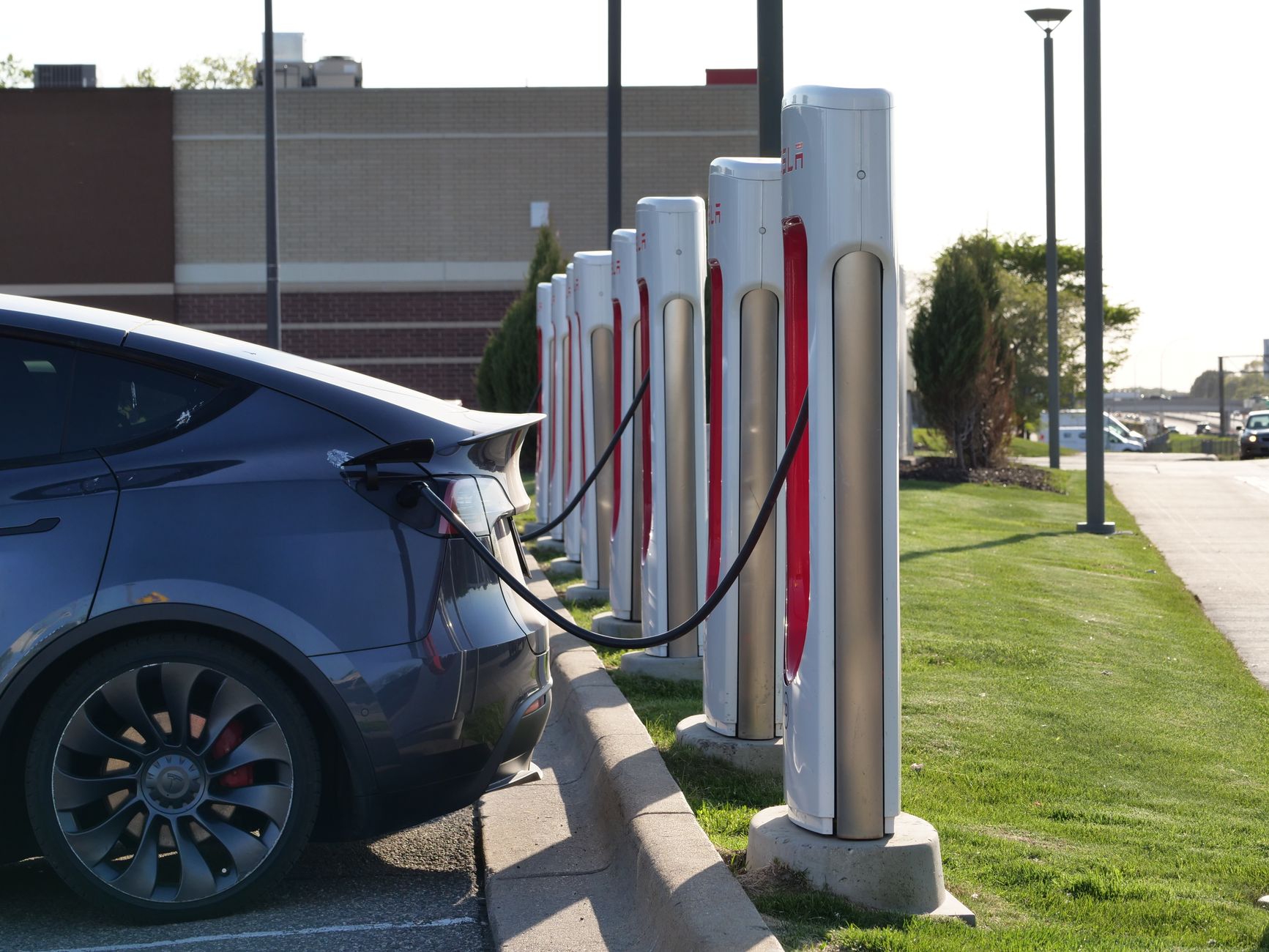
Electric Car Battery Replacement Cost: Your Ultimate Guide
electric car battery replacement cost

Electric Car Battery Replacement Cost: Your Ultimate Guide

Unlock the mysteries of EV battery expenses and drive confidently into your electric future.

Calculate Your Cost

Key Takeaways

  • ✓ EV battery replacement costs typically range from $5,000 to $20,000, but can exceed $30,000 for some luxury models.
  • ✓ Battery degradation is natural, but most EV batteries are designed to last 8-15 years, often outliving the car itself.
  • ✓ Warranties usually cover significant capacity loss (below 70%) for 8 years/100,000 miles, mitigating early replacement risks.
  • ✓ Advances in battery technology and increased production are projected to decrease replacement costs over time.

How It Works

1
Diagnosis & Assessment

A qualified technician will evaluate your EV's battery pack for performance issues, cell degradation, or fault codes. This determines if replacement is truly necessary or if a repair is possible.

2
Cost Estimation & Warranty Check

Based on the diagnosis, you'll receive a detailed quote for parts and labor. Your warranty status will be checked to see if any costs are covered, significantly impacting your out-of-pocket expense.

3
Ordering & Scheduling

If replacement is confirmed, the new battery pack will be ordered, which can sometimes take weeks due to specialized components. An appointment will then be scheduled for the installation.

4
Installation & Testing

The old battery is safely removed and the new one installed, often requiring specialized equipment and high-voltage expertise. Post-installation, the vehicle undergoes rigorous testing to ensure proper function and integration.

Understanding the Electric Car Battery Replacement Cost Landscape
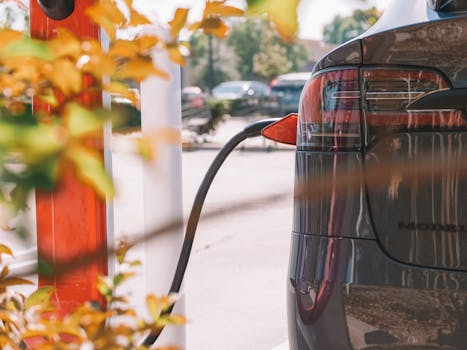
Close-up of an electric car charging at a station with blurred cars in the background. Photo: Kindel Media / Pexels
The prospect of replacing an electric car battery can be daunting for many potential and current EV owners, often conjuring images of exorbitant costs that negate the environmental and fuel savings benefits. However, a deeper dive into the electric car battery replacement cost reveals a more nuanced picture than commonly portrayed. The price tag for a new battery pack can vary dramatically, typically ranging from $5,000 to $20,000, but for some high-performance or luxury models, it can indeed climb north of $30,000. This wide range is influenced by several critical factors, including the specific make and model of the vehicle, the battery's capacity (measured in kWh), the chemistry of the cells, and the labor rates of the service center. For instance, a battery for a compact EV like a Nissan Leaf will generally be less expensive than one for a Tesla Model S or a Porsche Taycan, simply due to differences in size, power output, and technological sophistication. It's crucial to understand that an EV battery isn't a single, monolithic unit; it's a complex assembly of individual cells, modules, a battery management system (BMS), and thermal management components. When a problem arises, it doesn't always necessitate replacing the entire pack. Sometimes, only a faulty module or cell needs replacement, which can significantly reduce the overall cost. However, many manufacturers prefer to replace the entire pack for consistency and reliability, especially if the vehicle is still under warranty. The cost of labor also plays a substantial role, as replacing an EV battery is a specialized task requiring trained technicians and specific safety protocols due to the high voltage involved. This labor can add several hundred to a few thousand dollars to the total bill. Furthermore, the availability of aftermarket or reconditioned batteries is slowly growing, offering potentially more affordable alternatives to brand-new OEM (Original Equipment Manufacturer) units. This market is still nascent but promises to provide more options as the EV fleet ages. The good news is that battery prices have been on a consistent downward trend for years, driven by economies of scale, technological advancements, and increased competition. While a replacement might seem expensive today, future costs are projected to be lower, making EV ownership even more accessible. For more insights into the broader energy transition, understanding these cost dynamics is key.

Factors Influencing Your EV Battery Replacement Cost

Several key factors converge to determine the final electric car battery replacement cost you might face. Understanding these elements can help you anticipate expenses and make informed decisions. Firstly, the **make and model of your electric vehicle** is paramount. Different manufacturers use varying battery technologies, capacities, and designs, leading to significant price disparities. A larger battery pack with higher kWh capacity, typically found in long-range or luxury EVs, will naturally cost more to replace than a smaller pack in an entry-level model. For example, a battery for a Chevrolet Bolt will differ in price from one for a Rivian R1T. Secondly, the **battery chemistry** plays a role. While most EVs use Lithium-ion batteries, variations like NMC (Nickel Manganese Cobalt) or LFP (Lithium Iron Phosphate) have different material costs and manufacturing complexities. As LFP batteries become more common due to their lower cost and improved safety, this could contribute to future price reductions for certain models. Thirdly, the **availability of parts** and the **supply chain dynamics** can impact pricing. If a specific battery type is in high demand or faces supply chain disruptions, its cost can temporarily increase. The **age and condition of the vehicle** itself can also influence the decision-making process for replacement versus repair. For an older EV nearing the end of its life, the cost of a new battery might approach or exceed the vehicle's market value, making replacement less economically viable. Lastly, the **labor costs** associated with the replacement are a significant component. This isn't just about removing the old and installing the new; it involves specialized diagnostic tools, high-voltage safety training, and precise calibration of the new battery pack with the vehicle's systems. The complexity of the installation varies by vehicle, influencing the number of labor hours required. Some EV batteries are designed for easier serviceability, while others are deeply integrated, demanding more time and expertise. Furthermore, the **location** of the service center can affect labor rates, with metropolitan areas often having higher costs than rural ones. The growing infrastructure for EV maintenance, including specialized tools and certified technicians, is a critical part of the evolving electric vehicle ecosystem.

Navigating Warranties, Lifespan, and Degradation of EV Batteries

One of the most reassuring aspects for electric vehicle owners regarding electric car battery replacement cost is the robust warranty coverage provided by manufacturers. In the United States, federal regulations (specifically the Magnuson-Moss Warranty Act, which applies to emissions-related components) mandate that EV batteries must be warranted for at least 8 years or 100,000 miles, whichever comes first. Many manufacturers exceed this minimum, offering warranties up to 10 years or 150,000 miles, and in some cases, even longer for specific models. These warranties typically cover significant capacity loss, usually defined as a degradation below 70% or 60% of the original capacity, as well as manufacturing defects that lead to premature failure. It’s important to review your specific vehicle’s warranty document, as the exact terms and conditions can vary. This warranty coverage significantly mitigates the financial risk of an early battery replacement, providing peace of mind for the initial years of ownership. Beyond the warranty period, the actual lifespan of an EV battery is a common concern. Modern EV batteries are remarkably durable and are designed to outlast the vehicle itself, with many lasting 10 to 15 years or even longer. While capacity degradation is an inevitable part of a battery's life cycle, much like a smartphone battery, this degradation is often gradual and predictable. Most EV owners will experience a slight reduction in range over many years, but it rarely reaches a point where the battery becomes unusable or requires immediate replacement within the typical ownership period. Factors influencing battery lifespan and degradation include charging habits (frequent DC fast charging can accelerate degradation), extreme temperatures, and driving patterns. However, sophisticated Battery Management Systems (BMS) in EVs actively work to optimize battery health, regulating charging, discharging, and thermal conditions to maximize longevity. This proactive management, combined with continuous improvements in battery chemistry and engineering, means that the need for an out-of-warranty electric car battery replacement cost is becoming increasingly less common than often feared. Understanding these aspects allows for a more realistic expectation of long-term EV ownership expenses and reinforces the growing viability of renewable energy solutions.

Minimizing Electric Car Battery Replacement Cost: Tips & Strategies

While the prospect of an electric car battery replacement cost can be intimidating, there are several proactive steps EV owners can take to extend battery life and potentially reduce future expenses. Adopting smart charging habits is paramount. **Tips for Battery Longevity and Cost Reduction:** * **Avoid Extreme Charging:** Regularly charging to 100% and letting your battery frequently dip below 20% can accelerate degradation. Most manufacturers recommend keeping your charge level between 20% and 80% for daily driving. * **Minimize DC Fast Charging:** While convenient for long trips, frequent use of DC fast chargers generates more heat, which can stress the battery. Use Level 2 charging whenever possible for daily top-ups. * **Manage Temperature Exposure:** Extreme hot or cold temperatures can impact battery health. Whenever possible, park your EV in a garage or shaded area during hot weather, and pre-condition your battery in cold climates. * **Regular Software Updates:** Manufacturers often release software updates that include improvements to battery management systems. Ensure your vehicle's software is always up-to-date to benefit from these optimizations. * **Gentle Driving Habits:** Aggressive acceleration and heavy braking put more strain on the battery. Smooth, consistent driving can contribute to better battery health over time. * **Consider Aftermarket Options (Post-Warranty):** Once your warranty expires, explore reputable third-party repair shops that specialize in EV batteries. They might offer cell or module replacement at a lower cost than a full pack replacement from the dealership. * **Battery Health Monitoring Apps:** Utilize in-car systems or third-party apps (if available for your model) to monitor your battery's health and degradation over time. This can help you identify potential issues early. * **Explore Battery Leasing Programs:** Some manufacturers or third-party companies offer battery leasing options, which separate the battery cost from the vehicle purchase, potentially reducing upfront cost and providing replacement coverage. This model is more common in Europe but is slowly emerging in the US. By diligently following these practices, you can significantly extend the useful life of your EV battery, pushing the need for a costly replacement further into the future, or potentially avoiding it altogether during your ownership period. These strategies not only save money but also contribute to the overall sustainability of electric transportation.

Comparison

FactorNew OEM BatteryReconditioned BatteryModule Replacement (if possible)
Cost Range (Estimated)$10,000 - $30,000+$5,000 - $15,000$1,000 - $5,000 per module
Warranty CoverageFull OEM warranty (often 8-10 years)Limited (e.g., 1-3 years)Limited (e.g., 1 year)
Performance/Capacity100% original capacityNear original (e.g., 80-95%)Restores specific module performance
AvailabilityDirect from dealer/manufacturerLimited, growing third-party marketDepends on specific vehicle/issue
Installation ExpertiseCertified dealer techniciansSpecialized third-party shopsSpecialized third-party shops

What Readers Say

"I was dreading the electric car battery replacement cost for my older Model 3. This guide really helped me understand my warranty and options. Turns out, my issue was covered!"

Sarah J. · Austin, TX

"Excellent breakdown of EV battery lifespan. After reading this, I'm much less worried about the long-term electric car battery replacement cost for my new Kona Electric."

Mark D. · Seattle, WA

"The tips on charging habits were a game-changer. My battery health app showed an improvement after I started following the 20-80% rule, hopefully delaying any electric car battery replacement cost."

Jessica L. · Miami, FL

"Very informative, though I wish there were more concrete examples of specific model costs. Still, it demystified a lot of the fears surrounding electric car battery replacement cost."

Robert K. · Denver, CO

"As someone considering an older used EV, this article was invaluable. It helped me understand what to look for and how to factor in potential electric car battery replacement cost down the line."

Emily R. · Chicago, IL

Frequently Asked Questions

What is the average electric car battery replacement cost?

The average electric car battery replacement cost in the US typically ranges from $5,000 to $20,000, though this can vary significantly based on the vehicle's make, model, battery capacity, and labor rates. Luxury or high-performance EVs can have replacement costs exceeding $30,000. These figures include both the cost of the battery pack and the specialized labor required for installation.

Will my EV battery last as long as the car?

Yes, modern EV batteries are designed to last the lifetime of the vehicle, typically 10 to 15 years or more. While some degradation in capacity is natural over time, it's usually very gradual and doesn't lead to a need for full replacement within the average ownership period. Most batteries come with long warranties (8-10 years, 100,000-150,000 miles) that cover significant capacity loss.

How can I extend the life of my electric car battery?

To extend your EV battery's life, avoid routinely charging to 100% or letting it drop below 20%. Aim to keep the charge between 20-80% for daily use. Minimize frequent DC fast charging, protect the battery from extreme temperatures, and ensure your vehicle's software is always updated. Gentle driving habits also contribute to longevity.

Is it cheaper to replace individual battery modules or the whole pack?

Replacing individual battery modules or cells is generally much cheaper than replacing the entire battery pack, potentially costing thousands less. However, not all EV batteries are designed for modular replacement, and many manufacturers prefer to replace the whole pack for consistency and warranty purposes. This option is more commonly available from specialized third-party repair shops after the warranty expires.

How does EV battery replacement cost compare to internal combustion engine (ICE) repairs?

While an electric car battery replacement cost can be high, it's a rare occurrence, unlike routine ICE engine maintenance or major component failures. Over the lifespan of an EV, owners typically save significantly on fuel and routine maintenance (oil changes, spark plugs, etc.). The overall cost of ownership for EVs is often lower, even factoring in potential battery replacement far down the road.

Who should be most concerned about electric car battery replacement cost?

Individuals considering purchasing an older, out-of-warranty used EV should be most concerned, as they would bear the full electric car battery replacement cost if it became necessary. New EV buyers are well-protected by comprehensive warranties. Those who plan to keep their EV for a very long time (10+ years) should also understand the long-term degradation and potential replacement options.

Are there safety concerns with EV battery replacement?

Yes, EV battery replacement involves high-voltage systems and requires specialized training and safety equipment. It should only be performed by certified technicians at authorized service centers or reputable independent shops with EV expertise. Attempting DIY replacement is extremely dangerous due to the risk of electrocution and thermal events.

How will future technology impact electric car battery replacement cost?

Future battery technology is expected to significantly reduce electric car battery replacement cost. Advancements in chemistry, manufacturing efficiency, and increased production scale are continuously driving down battery prices. Additionally, improved modular designs, better repairability, and a growing market for reconditioned batteries will offer more affordable options in the coming years, making EV ownership even more accessible.

Don't let uncertainty about electric car battery replacement cost deter you from embracing the future of transportation. With comprehensive warranties, improving technology, and smart ownership practices, EV battery longevity is better than ever. Explore your options and drive confidently into a sustainable future.

Topics: electric car battery replacement costEV battery lifespanelectric vehicle battery pricebattery degradation EVwarranty electric car battery
Leo List
Brampton weed
Adultwork EstrelaBet Vai de Bet R7 Bet Betão Galera Bet Rainbet Bet9ja Shop SportyBet BetKing Sisal Loto Foot Hollywoodbets YesPlay Odibets RushBet Jugabet BetWarrior BetCity MSport betPawa Fortebet