Boost Your Business with Commercial Solar Panel Installation
July 17, 2026 16 min read 3,135 words
Unlock significant cost savings and environmental benefits for your enterprise by embracing solar energy.
Get a Free Solar Quote
The Unrivaled Benefits of Commercial Solar Panel Installation
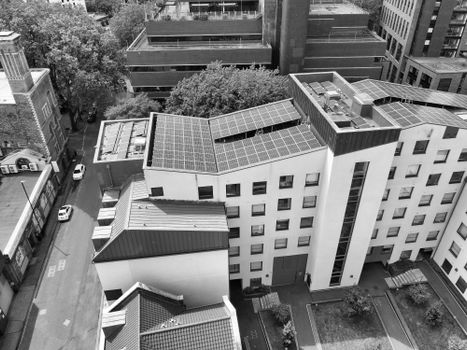 Photo: Altaf Shah / Pexels
For businesses across the United States, embracing commercial solar panel installation is no longer just an environmental statement; it's a shrewd financial and strategic decision. The advantages extend far beyond simply reducing your carbon footprint, touching upon every aspect of your operational bottom line and public image. First and foremost, the most tangible benefit is the dramatic reduction in operational costs. Electricity bills, often a significant overhead for businesses, can be slashed by 50% to 90% or even eliminated entirely, depending on system size and energy consumption. This predictable, stable energy cost insulates your business from volatile utility price fluctuations, providing long-term financial certainty that is invaluable for budgeting and forecasting. Imagine the competitive edge gained when your energy costs are fixed for decades, while competitors grapple with rising rates. This financial predictability is a cornerstone for sustainable growth and a key driver for many businesses to make the switch. Beyond direct savings, commercial solar panel installation offers substantial tax incentives and rebates. The federal Investment Tax Credit (ITC) currently provides a significant percentage of the system cost as a tax credit, making the initial investment much more palatable. Many states and local municipalities also offer their own incentives, including property tax exemptions, sales tax exemptions, and performance-based incentives like Solar Renewable Energy Credits (SRECs). SRECs allow businesses to earn income for the clean electricity their systems generate, effectively turning their roof into a revenue-generating asset. Navigating these incentives can be complex, but expert installers can guide businesses through the process, maximizing their financial returns. From an environmental perspective, installing solar panels demonstrates a strong commitment to sustainability, which resonates deeply with modern consumers, investors, and employees. This enhanced brand image can lead to increased customer loyalty, attract top talent, and open doors to new markets that prioritize green initiatives. Furthermore, businesses with strong environmental, social, and governance (ESG) scores are increasingly favored by investors, making solar a strategic tool for attracting capital. The reputational uplift alone can be a powerful driver for adopting solar energy. In a world increasingly focused on climate action, being a leader in renewable energy positions your business as forward-thinking and responsible. This commitment can also improve employee morale, as staff often take pride in working for an environmentally conscious organization. The long-term durability of solar systems, typically lasting 25-30 years with minimal maintenance, means these benefits are sustained for decades. Moreover, solar panels can increase the value of your commercial property. A building equipped with a modern, efficient solar array is more attractive to potential buyers or tenants, offering a tangible asset that generates income and reduces operating expenses. This added value contributes to a stronger balance sheet and provides a future-proof investment. Finally, for businesses in areas prone to power outages, integrating battery storage with a commercial solar panel installation can provide energy independence and resilience, ensuring critical operations continue uninterrupted. This added layer of security is becoming increasingly important in an unpredictable world. The combination of cost savings, financial incentives, enhanced brand image, and operational resilience makes commercial solar an undeniable advantage for any business looking to thrive in the 21st century.
Explore how renewable energy can transform your operations.
Understanding the Commercial Solar Panel Installation Process
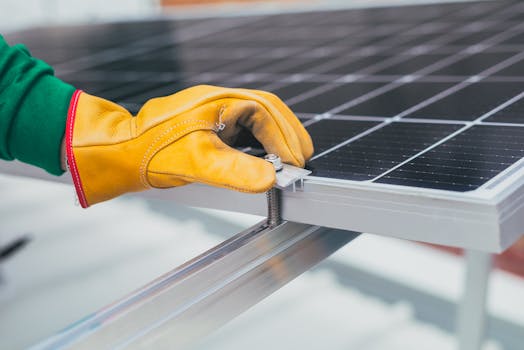 Photo: Los Muertos Crew / Pexels
Embarking on a commercial solar panel installation project can seem daunting, but understanding the structured process helps demystify it and ensures a smooth transition to renewable energy. The journey typically begins with an initial consultation and comprehensive site assessment. During this crucial phase, a solar expert will visit your commercial property to evaluate several key factors. They will analyze your historical electricity consumption data, assess the structural integrity of your roof or available ground space, determine the optimal orientation and tilt for solar panels to maximize sun exposure, and identify any potential shading issues from surrounding buildings or trees. This detailed assessment ensures that the proposed system is perfectly tailored to your business’s unique energy needs and site specifics. Following the site assessment, the next critical step is the system design and financial analysis. Based on the collected data, engineers will design a custom solar solution that optimizes energy production and cost-effectiveness. This design will specify the type and number of solar panels, the inverters (which convert DC power from panels to AC power for your building), and the mounting system. Concurrently, a detailed financial proposal will be developed. This proposal meticulously outlines the total project cost, projected energy savings over the system's lifetime, available federal, state, and local incentives (such as the Investment Tax Credit, accelerated depreciation, and SRECs), and a clear calculation of your return on investment (ROI) and payback period. This transparent financial breakdown allows businesses to make informed decisions with a clear understanding of the economic benefits. Once the design and financial terms are approved, the project moves into the permitting and procurement phase. Securing the necessary permits from local municipalities and utility companies is a complex but essential step. Your solar provider typically handles this entire process, leveraging their expertise to navigate local regulations and ensure compliance. Simultaneously, the procurement of high-quality solar panels, inverters, and other components begins. Reputable installers work with trusted manufacturers to ensure the longevity and efficiency of your system. This phase often includes detailed engineering reviews to finalize all technical specifications before installation commences. The installation phase is where the physical transformation takes place. A team of certified and experienced technicians will meticulously install the solar panels on your roof or ground mounts. This involves securing the mounting hardware, attaching the panels, wiring them together, and connecting them to the inverters and your building's electrical system. Safety is paramount during this stage, with strict protocols followed to protect both the installation crew and your property. The installation timeline can vary depending on the system size and complexity, but reputable companies strive for minimal disruption to your business operations. Finally, after the physical installation is complete, the system undergoes commissioning and monitoring. Commissioning involves thorough testing of the entire solar array to ensure all components are functioning correctly and safely. Once approved by local inspectors and the utility company, the system is interconnected to the grid, and your business officially begins generating its own clean electricity. Most modern commercial solar systems come with advanced monitoring platforms, allowing you to track your energy production, consumption, and savings in real-time. This continuous monitoring ensures optimal performance and allows for prompt identification and resolution of any potential issues, maximizing your investment over its multi-decade lifespan. Understanding these steps empowers businesses to approach commercial solar panel installation with confidence and clarity.
Financing Your Commercial Solar Panel Installation: Options and Incentives
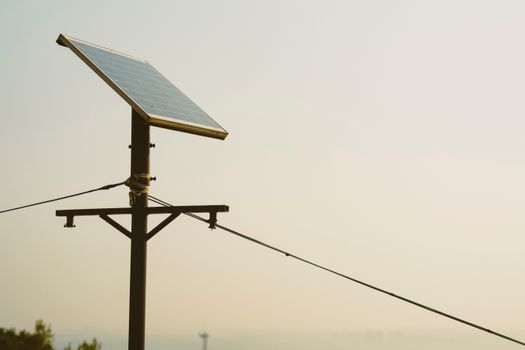 Photo: HYRLF meng / Pexels
Investing in a commercial solar panel installation is a significant decision, and understanding the various financing options and incentives available is crucial for maximizing your return. Fortunately, a robust ecosystem of financial mechanisms exists to make solar accessible and attractive for businesses of all sizes. One of the most common and straightforward approaches is direct ownership, either through cash purchase or a traditional loan. A cash purchase offers the highest long-term ROI as you own the asset outright from day one, reaping all the energy savings and incentives. For businesses that prefer not to tie up capital, a commercial solar loan provides a way to finance the system over a period, typically 5-15 years. Loan payments are often structured to be less than or equal to the monthly energy savings, effectively making the system cash-flow positive from the outset. With direct ownership, businesses are eligible for the full suite of tax incentives, including the federal Investment Tax Credit (ITC), which currently covers a substantial portion of the system cost. Additionally, accelerated depreciation (MACRS) allows businesses to deduct a significant portion of the system's value from their taxable income over a short period, further enhancing the financial appeal.
Discover more about sustainable energy investments.
Another popular financing model, particularly for businesses that prefer not to own or maintain the system, is a Power Purchase Agreement (PPA). Under a PPA, a third-party developer owns, operates, and maintains the solar system on your property. Your business then purchases the electricity generated by the panels at a fixed rate, typically lower than your current utility rate, for the duration of the contract (often 15-25 years). This model requires no upfront capital investment from the business, making it an attractive option for companies looking for immediate savings without the ownership responsibilities. At the end of the PPA term, businesses usually have the option to extend the agreement, purchase the system, or have it removed. Similar to PPAs, solar leases also involve a third party owning and maintaining the system, but instead of buying electricity per kilowatt-hour, your business pays a fixed monthly lease payment. This payment is typically less than the savings generated by the solar system, ensuring positive cash flow. Like PPAs, leases require no upfront capital and transfer the operational and maintenance responsibilities to the leasing company. Both PPAs and leases are excellent for businesses that want to go solar without the capital expenditure or the complexities of system ownership and incentive navigation.
Beyond federal incentives like the ITC and MACRS, state and local programs play a significant role in reducing the net cost of commercial solar. Many states offer Solar Renewable Energy Credits (SRECs), which are market-based instruments representing the environmental attributes of one megawatt-hour (MWh) of solar electricity generation. Businesses can sell these SRECs on a market, generating additional income. Net metering policies, prevalent in many states, allow businesses to send excess electricity generated by their solar panels back to the grid in exchange for credits on their utility bill, effectively ensuring that every unit of solar electricity generated is utilized or compensated. Some states also offer specific grants, rebates, or loan programs for commercial solar installations. Navigating this intricate landscape of financing and incentives requires expertise. Reputable commercial solar providers not only design and install systems but also have in-house financial experts who can help businesses identify the most advantageous financing structure and apply for all eligible incentives. This comprehensive approach ensures that businesses unlock the full economic potential of their commercial solar panel installation, transforming it into a powerful engine for long-term financial stability and growth.
Key Considerations and Common Mistakes in Commercial Solar Panel Installation
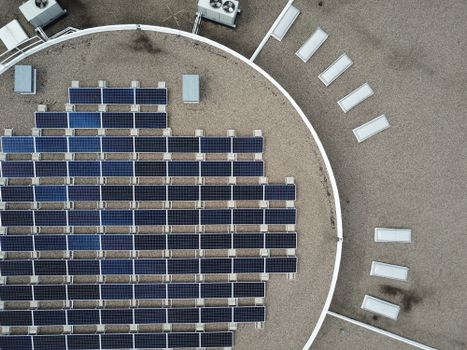 Photo: Giant Asparagus / Pexels
Undertaking a commercial solar panel installation project requires careful planning to ensure a successful outcome and maximize your investment. While the benefits are clear, being aware of key considerations and avoiding common pitfalls can make a significant difference. One crucial consideration is the structural integrity of your building. Older commercial properties, in particular, may require structural assessments and potential reinforcements to support the weight of a solar array. Neglecting this step can lead to costly issues down the line. Always work with an installer who conducts thorough structural engineering reviews as part of their initial assessment. Another vital factor is your current and projected energy consumption. An undersized system won't deliver the expected savings, while an oversized one might be an unnecessary expense. A detailed energy audit will help determine the optimal system size to meet your needs efficiently.
Here are some common mistakes to avoid:
* **Choosing the Cheapest Bid Over Value:** While cost is a factor, opting for the lowest bid without scrutinizing the quality of components, installer experience, and warranty can lead to long-term problems, higher maintenance costs, and underperforming systems. Prioritize value, reputation, and comprehensive warranties.
* **Ignoring Future Expansion Plans:** If your business anticipates growth or changes in energy demand, ensure your solar system design can accommodate future expansion. Planning for modularity can save significant costs and disruption later.
* **Overlooking Maintenance Requirements:** Although solar systems require minimal maintenance, they are not entirely maintenance-free. Panels need occasional cleaning, and inverters or other components may require servicing. Understand the maintenance plan and associated costs from your installer.
* **Not Maximizing Available Incentives:** The landscape of federal, state, and local incentives is complex and constantly evolving. A common mistake is not leveraging all eligible tax credits, rebates, SRECs, and accelerated depreciation benefits. Work with an installer who has expertise in navigating these financial programs.
* **Failing to Understand the Contract Details:** Before signing any agreement, thoroughly review the contract, paying close attention to warranties (for panels, inverters, and workmanship), performance guarantees, maintenance schedules, and decommissioning clauses. Ensure clarity on responsibilities and expected outcomes.
* **Insufficient Shading Analysis:** Even minor shading from HVAC units, parapet walls, or nearby trees can significantly reduce a solar panel's efficiency. A detailed shading analysis using specialized software should be part of the initial site assessment to optimize panel placement and mitigate losses.
By addressing these considerations and avoiding common mistakes, businesses can ensure their commercial solar panel installation is a smooth, efficient, and highly rewarding investment for decades to come.
