✓ Commercial solar installations in the US grew by over 20% in the last year.
✓ Businesses can typically reduce electricity costs by 50-70% with solar.
✓ Federal tax credits (ITC) cover 30% of commercial solar system costs.
✓ The lifespan of a commercial solar system often exceeds 25 years with minimal maintenance.
How It Works
1
Initial Consultation & Site Assessment
A commercial solar company evaluates your energy needs, current consumption, and facility's solar potential. They assess roof space, shading, and structural integrity to determine feasibility.
2
System Design & Financial Analysis
Engineers design a custom solar solution optimizing energy production and cost savings. A detailed financial proposal outlines investment, ROI, and available incentives.
3
Permitting & Installation
The solar provider handles all necessary permits and regulatory approvals. Their certified teams then install the solar panels, inverters, and electrical components efficiently and safely.
4
Activation & Ongoing Monitoring
After final inspection and utility interconnection, your system is activated, generating clean energy. Most companies offer monitoring and maintenance services to ensure optimal performance.
Understanding the Commercial Solar Landscape in the US
Photo: Altaf Shah / Pexels
The transition to renewable energy is no longer a distant aspiration for businesses; it's a tangible, economically sound strategy. In the United States, commercial solar panel companies are at the forefront of this transformation, offering tailored solutions that empower businesses of all sizes to reduce operational costs, enhance sustainability profiles, and gain energy independence. The commercial solar landscape is dynamic, driven by technological advancements, evolving policy frameworks, and a growing corporate commitment to environmental stewardship. Understanding this landscape is the first step for any business considering solar adoption. This involves recognizing the different types of commercial solar installations, from rooftop arrays on small businesses to vast ground-mounted systems for industrial complexes, and even solar carports that offer dual benefits of power generation and shaded parking. Each solution is designed to meet specific energy demands and site constraints, requiring a deep understanding of engineering, financing, and regulatory compliance. The US market for commercial solar is incredibly diverse, with companies specializing in different sectors, technologies, and geographic regions. Some firms excel in large-scale utility projects, while others focus on the unique needs of small and medium-sized enterprises (SMEs). This specialization means that choosing the right partner is paramount, as their expertise directly impacts the efficiency, longevity, and return on investment of your solar project. Furthermore, the regulatory environment plays a crucial role. Federal incentives, such as the Investment Tax Credit (ITC), provide a significant financial boost, covering a substantial portion of installation costs. State and local incentives, including property tax exemptions, sales tax exemptions, and various rebate programs, further sweeten the deal, making solar an increasingly attractive proposition. Navigating these incentives requires a partner with extensive knowledge of the complex incentive landscape. The benefits extend beyond mere cost savings. Adopting solar energy signals a company's commitment to sustainability, which resonates with environmentally conscious consumers and investors. It also hedges against volatile energy prices, providing long-term cost predictability. The resilience offered by solar, particularly when coupled with battery storage, can also ensure business continuity during grid outages. As the demand for clean energy continues to surge, commercial solar panel companies in the US are innovating at a rapid pace, offering more efficient panels, smarter inverters, and sophisticated energy management systems. This continuous evolution ensures that businesses have access to cutting-edge technology that maximizes their energy production and minimizes their environmental footprint. The journey to solar integration is a strategic one, demanding careful consideration and a trusted partner to guide the process from initial assessment to system activation and beyond. It’s an investment not just in cleaner energy, but in a more resilient and sustainable future for your business. For more insights into the broader energy sector, explore innovations in renewable energy.
Key Factors When Choosing Commercial Solar Panel Companies US
Photo: Giant Asparagus / Pexels
Selecting the right commercial solar panel company in the US is a critical decision that will impact your business's energy future for decades. With numerous providers vying for your attention, it's essential to evaluate them based on a comprehensive set of criteria that goes beyond just the quoted price. The first and arguably most important factor is experience and track record. Look for companies with a proven history of successful commercial installations similar in scope and complexity to your project. Request case studies, client testimonials, and references to verify their claims. A long-standing presence in the industry often indicates stability, reliability, and a deep understanding of best practices. Secondly, assess their technical expertise and engineering capabilities. A reputable company will employ certified engineers and installers who are well-versed in the latest solar technologies and safety standards. They should be able to design a customized system that perfectly matches your energy consumption patterns, structural limitations, and future growth projections. Beware of one-size-fits-all solutions. The quality of components used is another non-negotiable factor. Insist on high-efficiency solar panels, durable inverters, and robust mounting hardware from reputable manufacturers. While cheaper components might reduce upfront costs, they often lead to lower energy production, higher maintenance, and shorter lifespans. A good company will be transparent about their supply chain and the warranties offered on their equipment. Financial stability and diverse financing options are also crucial. Commercial solar projects represent a significant investment, and you need a partner that can support your chosen financing model, whether it's an outright purchase, a power purchase agreement (PPA), a solar lease, or a commercial loan. A financially sound company will also be around to honor warranties and provide ongoing support. Furthermore, evaluate their permitting and regulatory compliance expertise. The process of obtaining permits and navigating local, state, and federal regulations can be complex and time-consuming. A proficient commercial solar company will have a dedicated team that handles all the necessary paperwork, ensuring your project adheres to all legal requirements and qualifies for available incentives. Customer service and post-installation support should not be overlooked. A responsive and reliable support team is vital for addressing any issues that may arise during or after installation. Inquire about their monitoring services, maintenance plans, and warranty claims process. A company that stands behind its work provides peace of mind. Finally, consider their safety record and insurance coverage. Solar installations involve working at heights and with electrical systems, so a strong commitment to safety is paramount. Ensure they carry adequate insurance to protect both their workers and your property. By meticulously evaluating these factors, you can confidently select a commercial solar panel company in the US that will deliver a high-performing, reliable, and cost-effective solar solution for your business.
Navigating Incentives and Financing for US Commercial Solar Projects
Photo: finix photographer / Pexels
One of the most compelling aspects of investing in commercial solar in the US is the robust landscape of incentives and financing options designed to make these projects financially attractive. Understanding and leveraging these mechanisms is crucial for maximizing your return on investment and making solar adoption accessible. The cornerstone of federal support is the Investment Tax Credit (ITC), currently at 30% for commercial solar systems. This credit directly reduces the federal income tax liability by 30% of the eligible project cost, providing a substantial upfront benefit. The ITC has been instrumental in driving the growth of commercial solar across the nation and its long-term stability offers predictability for businesses planning their energy transition. Beyond the ITC, businesses can also benefit from accelerated depreciation schedules, primarily through the Modified Accelerated Cost Recovery System (MACRS). This allows businesses to deduct a significant portion of the solar system's value from their taxable income over a shorter period (typically five years), further reducing their tax burden and improving cash flow. These federal incentives, when combined, can dramatically reduce the net cost of a commercial solar installation. However, the financial benefits don't stop at the federal level. Many states and even local municipalities offer additional incentives. These can include state tax credits, property tax exemptions (preventing your property taxes from increasing due to the added value of a solar system), sales tax exemptions, and various rebate programs. Some states also have Renewable Energy Credits (RECs) or Solar Renewable Energy Credits (SRECs), which are tradable commodities representing the environmental attributes of renewable energy generation. Businesses can sell these credits, generating an additional revenue stream. Navigating this intricate web of incentives requires expertise, and a top-tier commercial solar panel company will have dedicated specialists who can identify all applicable programs and help you complete the necessary paperwork. When it comes to financing, businesses have several options. The most straightforward is an outright cash purchase, which allows the business to immediately own the asset and claim all available tax benefits and energy savings. However, for many, this requires a significant upfront capital outlay. Alternative financing models have emerged to address this. Power Purchase Agreements (PPAs) are increasingly popular, where a third-party developer owns, operates, and maintains the solar system on your property. Your business then purchases the electricity generated at a fixed, often lower, rate than your utility provider. This model requires no upfront capital from the business and provides immediate energy savings. Solar leases are similar to PPAs but involve leasing the equipment itself, with fixed monthly payments. Commercial loans specifically for solar projects are also available from various financial institutions, allowing businesses to finance the system while still retaining ownership and tax benefits. The choice of financing depends on your business's financial structure, risk tolerance, and desired level of involvement. A reputable commercial solar provider will not only install the system but also guide you through the financial analysis, helping you choose the most advantageous path. They can present detailed financial projections, including return on investment (ROI), payback period, and internal rate of return (IRR), demonstrating the long-term economic benefits. For a deeper dive into sustainable business practices, consider exploring sustainable business solutions.
Mistakes to Avoid & Tips for a Successful Commercial Solar Project
Photo: Giant Asparagus / Pexels
Embarking on a commercial solar project is a significant undertaking, and avoiding common pitfalls can ensure a smoother process and a greater return on investment. Here are key mistakes to steer clear of and valuable tips for a successful installation:
**Mistakes to Avoid:**
* **Underestimating Energy Needs:** Not accurately assessing your current and future energy consumption can lead to an undersized or oversized system, both of which are inefficient and costly. Always conduct a thorough energy audit.
* **Ignoring Roof/Site Condition:** Installing solar on an aging roof or an unsuitable site can lead to costly repairs down the line or inefficient energy production. Ensure your roof or land is structurally sound and has minimal shading.
* **Focusing Solely on Upfront Cost:** Opting for the cheapest bid often means compromising on panel quality, inverter efficiency, or installation expertise, leading to lower energy output and higher long-term maintenance costs.
* **Neglecting Permitting & Compliance:** Failing to understand local zoning laws, building codes, and utility interconnection requirements can cause significant delays and fines. Ensure your chosen provider handles all regulatory aspects.
* **Overlooking Post-Installation Support:** A lack of clear warranties, monitoring services, or maintenance plans can leave your business vulnerable if issues arise after installation.
* **Not Exploring All Financing Options:** Limiting yourself to one financing model without understanding all available PPAs, leases, loans, and cash purchase benefits can result in missing out on optimal financial structures.
**Tips for Success:**
1. **Due Diligence is Key:** Research multiple commercial solar panel companies in the US. Compare their experience, certifications, client reviews, and proposed solutions. Don't rush the decision.
2. **Request Detailed Proposals:** Insist on comprehensive proposals that include system design, component specifications (panels, inverters, racking), energy production estimates, financial projections, and clear warranty information.
3. **Verify Credentials and Insurance:** Ensure the company is licensed, insured, and has certified installers (e.g., NABCEP certification). This protects your business from liability.
4. **Understand Warranties Thoroughly:** Differentiate between equipment warranties (panels, inverters) and workmanship warranties. Know what's covered and for how long.
5. **Plan for Future Growth:** Design a system that can be expanded or adapted as your business energy needs evolve. Consider modular solutions.
6. **Communicate Clearly:** Maintain open lines of communication with your chosen solar provider throughout the entire process, from initial consultation to project completion.
7. **Leverage All Incentives:** Work closely with your provider to identify and apply for every federal, state, and local incentive available to maximize your financial benefits.
By being proactive and informed, businesses can successfully implement commercial solar solutions that deliver significant economic and environmental advantages.
Comparison
Feature
Large-Scale Project Specialist
SME Focused Provider
Integrated Energy Solutions
Project Size Focus
Utility-scale, Industrial
Small to Medium Businesses
Diverse Commercial
Financing Expertise
PPAs, Project Finance
Loans, Cash, Leases
All Options
Geographic Reach
National/Multi-state
Regional/Local
National
Post-Install Support
Comprehensive O&M
Standard Monitoring
Advanced Analytics & O&M
Technology Focus
High-efficiency panels
Cost-effective solutions
Solar + Storage, EV Charging
Permitting Handling
Complex Projects
Standardized Processes
Complex & Standard
What Readers Say
★★★★★
"Our manufacturing plant significantly reduced its electricity bills thanks to one of the leading commercial solar panel companies US. Their team handled everything from design to permits, making the transition seamless."
Sarah Chen · Austin, TX
★★★★★
"As a small business owner, I was intimidated by solar, but the company we chose made it incredibly easy. Their financial analysis showed us a clear path to savings and sustainability."
David Ramirez · Denver, CO
★★★★★
"We cut our energy costs by 60% within the first year! The commercial solar panel company we partnered with delivered on every promise, and their ongoing monitoring gives us peace of mind."
Jessica Lee · Miami, FL
★★★★★
"While the installation took a bit longer than initially estimated due to supply chain issues, the communication from our solar provider was excellent. The system is performing perfectly, and we're very happy with the results."
Mark Johnson · Seattle, WA
★★★★★
"Our multi-site retail chain needed a scalable solar solution, and the expertise of our chosen commercial solar panel company was invaluable. They provided a unified strategy that delivered consistent savings across all our locations."
Emily White · Chicago, IL
Frequently Asked Questions
What is the typical ROI for commercial solar panel companies US projects?
The typical Return on Investment (ROI) for commercial solar projects in the US can vary greatly but often ranges from 3 to 7 years. This depends on factors like system size, local electricity rates, available incentives (federal, state, local), financing structure, and the specific energy consumption patterns of the business. Many businesses see significant savings on their electricity bills immediately.
How long do commercial solar panel installations take?
The timeline for commercial solar panel installations varies based on project size and complexity. Smaller rooftop systems might take 2-4 months from initial consultation to activation, while larger industrial or multi-site projects could take 6-12 months or more. This includes site assessment, design, permitting, equipment procurement, and actual installation.
How do I choose the best commercial solar panel company for my business?
To choose the best company, evaluate their experience with similar projects, technical expertise, quality of components, financial stability, permitting proficiency, customer service, and post-installation support. Request detailed proposals and references from multiple providers to make an informed decision tailored to your specific business needs.
Are there ongoing maintenance costs for commercial solar systems?
Commercial solar systems are generally low-maintenance, but some ongoing costs can include periodic cleaning of panels (especially in dusty or polluted areas), inverter checks, and monitoring services. Reputable commercial solar panel companies offer operations and maintenance (O&M) packages to ensure optimal performance and address any issues proactively.
What's the difference between a PPA and a solar lease for commercial solar?
In a Power Purchase Agreement (PPA), a third-party developer owns and maintains the solar system on your property, and you buy the electricity generated at a fixed rate. With a solar lease, your business leases the equipment itself and pays a fixed monthly payment. Both typically require no upfront capital from the business but differ in how the electricity is billed and asset ownership.
Who should consider partnering with commercial solar panel companies US?
Any business with significant electricity consumption, available roof or land space, and a desire to reduce operational costs, hedge against rising energy prices, and enhance their sustainability profile should consider partnering with commercial solar panel companies. This includes manufacturing facilities, warehouses, retail centers, office buildings, agricultural operations, and schools.
What happens if my commercial solar system produces more energy than I use?
If your commercial solar system produces more electricity than your business consumes, the excess power is typically fed back into the grid. Under 'net metering' policies, your utility company will credit your account for this surplus energy, which can then be used to offset future electricity bills or, in some cases, paid out. Policies vary by state and utility.
How will federal and state policies impact the future of commercial solar in the US?
Federal and state policies are expected to continue supporting the growth of commercial solar in the US. The long-term extension of the Investment Tax Credit (ITC) provides stability, while ongoing state-level initiatives, renewable portfolio standards, and incentives for battery storage and grid modernization will likely further accelerate adoption, making solar an increasingly attractive and reliable energy solution for businesses.
Ready to transform your business's energy consumption? Partner with the leading commercial solar panel companies US has to offer. Take the first step towards significant savings, enhanced sustainability, and energy independence by requesting a free consultation today.

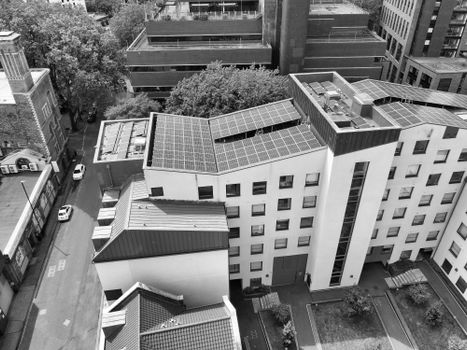 Photo: Altaf Shah / Pexels
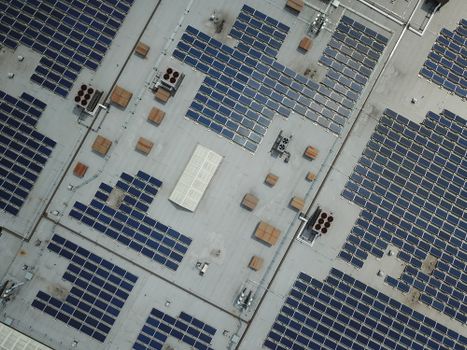 Photo: Giant Asparagus / Pexels
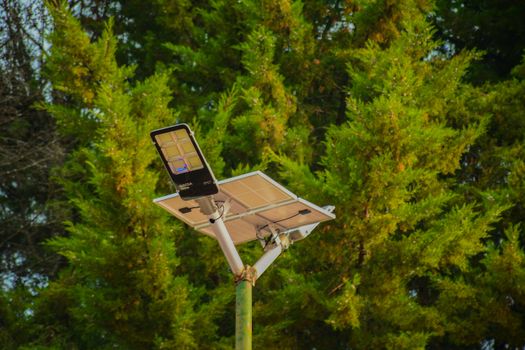 Photo: finix photographer / Pexels
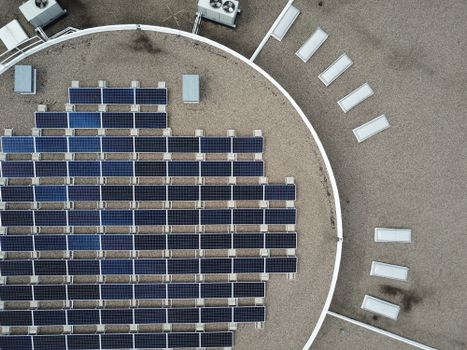 Photo: Giant Asparagus / Pexels