
Boost Profits: Smart Commercial Energy Efficiency Upgrades
commercial energy efficiency upgrades

Boost Profits: Smart Commercial Energy Efficiency Upgrades

Transform your business operations, reduce utility costs, and achieve significant environmental impact with proven strategies.

Start Saving Today

Key Takeaways

  • ✓ Commercial buildings account for nearly 40% of total U.S. energy consumption.
  • ✓ Energy efficiency upgrades can reduce operating costs by 10-30% annually.
  • ✓ Many upgrades offer a return on investment (ROI) within 2-5 years.
  • ✓ Tax incentives and rebates are available for businesses investing in energy efficiency.

How It Works

1
Conduct an Energy Audit

A professional energy audit identifies areas of wasted energy and potential savings. This comprehensive assessment forms the bedrock of an effective upgrade strategy.

2
Prioritize Upgrades & Secure Funding

Based on the audit, prioritize upgrades by ROI, cost, and impact. Explore federal, state, and local incentives, grants, and financing options to support your investment.

3
Implement Solutions

Execute the chosen upgrades, from lighting and HVAC to insulation and smart controls. Ensure installation is performed by certified professionals to maximize benefits.

4
Monitor & Maintain

Regularly monitor energy consumption to track savings and identify further opportunities. Establish a maintenance schedule to ensure systems operate at peak efficiency.

The Imperative of Commercial Energy Efficiency Upgrades
A close-up of a glowing vintage Edison bulb creating a warm atmosphere. Photo: Burak The Weekender / Pexels
In today's competitive landscape, businesses across the United States are increasingly recognizing the profound advantages of investing in commercial energy efficiency upgrades. Beyond the immediate financial benefits, these strategic improvements offer a multitude of long-term gains, positioning companies for sustained success and enhanced corporate responsibility. The energy footprint of commercial buildings is substantial, contributing significantly to operational overheads and environmental impact. For many businesses, energy costs represent a significant portion of their monthly expenditures, often second only to payroll and rent. Therefore, any reduction in energy consumption directly translates into increased profitability and improved cash flow. Moreover, the push towards sustainability is no longer just a trend; it's a fundamental expectation from consumers, investors, and regulators alike. Implementing commercial energy efficiency upgrades demonstrates a tangible commitment to environmental stewardship, enhancing brand reputation and attracting a growing segment of environmentally conscious customers. This commitment can also improve employee morale and attract top talent who prefer to work for responsible organizations. A well-designed, energy-efficient workspace often translates to better indoor air quality, more consistent temperatures, and superior lighting, all of which contribute to a more comfortable and productive environment for employees. Furthermore, the regulatory landscape is continuously evolving, with stricter building codes and performance standards being introduced at federal, state, and local levels. Proactive investment in energy efficiency can help businesses comply with current regulations and future-proof their operations against potential penalties or mandatory retrofits. The upfront cost of these upgrades can often be mitigated by a variety of incentives, including tax credits, rebates, and grants offered by government agencies and utility companies. These financial incentives can significantly reduce the payback period and increase the overall return on investment, making energy efficiency upgrades an even more attractive proposition. Ignoring the potential for energy savings is akin to leaving money on the table. Businesses that embrace sustainable energy solutions are not just saving money; they are investing in their future resilience and competitiveness. The economic argument for these upgrades is compelling, with studies consistently showing significant reductions in operating expenses and enhanced asset value. Property values for energy-efficient buildings tend to be higher, and they often command higher rental rates, offering an additional financial upside. By understanding the multifaceted benefits, businesses can begin to strategically plan their journey toward greater energy independence and efficiency.

Key Areas for Maximizing Energy Savings
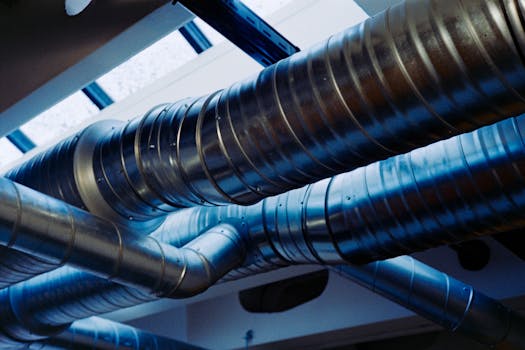
Close-up of a modern metallic ventilation system in an industrial setting. Photo: Bingqian Li / Pexels
To achieve optimal commercial energy efficiency upgrades, businesses must identify and prioritize the areas within their operations that offer the greatest potential for savings. While a comprehensive energy audit is the definitive starting point, certain systems and components consistently emerge as prime candidates for improvement. Lighting systems, for instance, are often one of the quickest and most impactful upgrades. Traditional incandescent and fluorescent lights consume significant amounts of electricity and generate considerable heat, adding to cooling loads. Transitioning to LED (Light Emitting Diode) lighting can reduce lighting energy consumption by 50-80%, offer a longer lifespan, and require less maintenance. Coupled with smart lighting controls such as occupancy sensors, daylight harvesting, and dimmers, the savings can be even more dramatic. Heating, Ventilation, and Air Conditioning (HVAC) systems are typically the largest energy consumers in commercial buildings, often accounting for 40-60% of total energy use. Upgrading to high-efficiency HVAC units, implementing programmable thermostats, and integrating building automation systems (BAS) can lead to substantial reductions in energy consumption. Regular maintenance, including filter replacement and duct sealing, also plays a crucial role in maintaining optimal performance. Beyond the equipment itself, ensuring proper insulation in walls, roofs, and windows is fundamental. Poor insulation leads to significant heat loss in winter and heat gain in summer, forcing HVAC systems to work harder. Upgrading insulation, installing energy-efficient windows (e.g., double or triple-pane with low-emissivity coatings), and sealing air leaks can drastically improve a building's thermal envelope. Another often-overlooked area is the efficiency of office equipment and industrial machinery. While individual pieces of equipment may seem minor, their cumulative energy consumption can be substantial, especially in large offices or manufacturing facilities. Implementing power management settings, using ENERGY STAR certified equipment, and unplugging devices when not in use can contribute to savings. For industrial operations, optimizing motor efficiency, upgrading to variable frequency drives (VFDs), and improving process controls can yield significant energy reductions. Finally, integrating renewable energy sources, such as solar panels, can not only reduce reliance on grid electricity but also generate clean energy, potentially even selling excess back to the grid. By focusing on these key areas, businesses can strategically implement commercial energy efficiency upgrades that deliver maximum impact and long-term value.

Navigating Incentives and Funding for Your Upgrades

Flat lay of tax forms, calculator, pencils, and clips on green surface, ideal for finance or accounting themes. Photo: Nataliya Vaitkevich / Pexels
The initial investment required for significant commercial energy efficiency upgrades can sometimes deter businesses, despite the clear long-term benefits. However, a robust ecosystem of incentives and funding mechanisms exists in the US to help offset these upfront costs, making energy-efficient retrofits more accessible and financially viable. Understanding and leveraging these programs is a critical step in the planning and execution phase of any upgrade project. These incentives come in various forms, including federal tax credits, state and local government rebates, utility company programs, and specialized financing options. At the federal level, programs like the Section 179D Energy Efficient Commercial Building Deduction allow eligible businesses to claim a tax deduction for certain energy-efficient improvements made to commercial buildings. This deduction can significantly reduce a company's taxable income, effectively lowering the net cost of the upgrade. Furthermore, federal grants and loan programs are occasionally available for specific types of energy efficiency projects or for businesses operating in particular sectors. It's essential to consult with a tax professional or energy consultant to determine eligibility and maximize these federal benefits. State and local governments often offer their own suite of incentives, tailored to regional energy goals and economic development priorities. These can range from property tax abatements for green buildings to sales tax exemptions on energy-efficient equipment. Many states have specific programs aimed at encouraging renewable energy adoption and energy efficiency in commercial properties. Utility companies are also major players in the incentive landscape. Faced with mandates to reduce energy consumption or peak demand, many utilities offer generous rebates for commercial customers who upgrade to high-efficiency lighting, HVAC systems, smart thermostats, and other energy-saving technologies. These rebates can often cover a substantial portion of the installation cost. Beyond direct financial incentives, innovative financing options are available. Energy-as-a-Service (EaaS) models allow businesses to implement upgrades without upfront capital, paying for the improvements through a service agreement that is typically less than their historical energy costs. Property Assessed Clean Energy (PACE) programs, available in many states, allow property owners to finance energy efficiency and renewable energy upgrades through a voluntary assessment on their property tax bill. This mechanism provides long-term financing that is tied to the property, not the business, making it attractive for many commercial entities. Navigating this complex landscape requires diligent research and often the assistance of an expert who can identify all applicable incentives and help with the application process, ensuring your commercial energy efficiency upgrades are as cost-effective as possible.

Common Pitfalls to Avoid and Best Practices for Success

Two professionals reviewing detailed energy consumption charts in an office setting. Photo: RDNE Stock project / Pexels
While the benefits of commercial energy efficiency upgrades are undeniable, businesses must navigate several common pitfalls to ensure successful implementation and maximize their return on investment. One of the most significant mistakes is failing to conduct a thorough energy audit. Without a detailed understanding of current energy consumption patterns and identification of the biggest energy drains, upgrades may be misdirected, leading to suboptimal savings. A professional audit provides the data-driven insights needed for strategic decision-making. Another pitfall is focusing solely on the lowest upfront cost rather than the long-term value and lifecycle cost of equipment. Cheaper, less efficient components may save money initially but will result in higher operating costs and potentially shorter lifespans, negating any perceived savings. It's crucial to consider the total cost of ownership (TCO) when selecting equipment for commercial energy efficiency upgrades. Ignoring the integration of smart technologies is also a missed opportunity. Modern building automation systems (BAS), smart thermostats, and intelligent lighting controls can optimize energy use dynamically, responding to occupancy, weather, and time-of-day pricing. Failing to integrate these systems can limit the potential for significant, continuous savings. Here are some best practices for success: * **Start with a Comprehensive Energy Audit:** Invest in a Level II or III energy audit to get a clear picture of your energy use and potential savings. * **Prioritize High-ROI Projects:** Focus on upgrades with the shortest payback periods first, which can then fund subsequent projects. * **Leverage All Available Incentives:** Actively research and apply for federal, state, local, and utility rebates, grants, and tax credits. * **Choose Certified Professionals:** Ensure all installations and upgrades are performed by qualified, experienced, and certified contractors. * **Implement a Monitoring and Verification (M&V) Plan:** Continuously track energy consumption post-upgrade to confirm savings and identify any further optimization opportunities. * **Educate Employees:** Encourage energy-conscious behaviors among staff, as human actions can significantly impact overall energy consumption. * **Plan for Ongoing Maintenance:** Regular maintenance of new systems ensures they operate at peak efficiency and extends their lifespan. By avoiding these common mistakes and adhering to best practices, businesses can ensure their commercial energy efficiency upgrades deliver on their promise of substantial savings and improved sustainability.

Comparison

FeatureLED Lighting UpgradeHigh-Efficiency HVACBuilding Automation SystemInsulation & Window Upgrade
Typical Energy Savings50-80%20-40%10-30%15-25%
Average Payback Period1-3 years3-7 years2-5 years5-10 years
Maintenance ReductionVery HighModerateHighLow
Comfort Improvement
Rebate & Incentive AvailabilityHighHighModerateModerate

What Readers Say

"Our commercial energy efficiency upgrades were a game-changer. We saw a 25% reduction in our monthly electricity bill within the first quarter, exceeding our expectations. The team was professional and guided us through every step of the process, from audit to implementation."

Sarah Chen · Austin, TX

"Investing in new LED lighting and smart thermostats for our warehouse has significantly cut down our operational costs. The return on investment has been quicker than projected, and our employees appreciate the improved lighting quality. Highly recommend exploring these options."

Mark Johnson · Chicago, IL

"After implementing the recommended commercial energy efficiency upgrades, our hotel saw a 30% decrease in energy consumption, leading to over $15,000 in annual savings. This allowed us to reinvest in guest amenities and enhance our sustainability image."

Emily Rodriguez · Miami, FL

"We pursued a comprehensive HVAC upgrade for our office building. While the upfront cost was substantial, the utility rebates helped considerably. We're seeing consistent savings, and the improved indoor air quality is a definite plus for our team, though the installation timeline was a bit longer than anticipated."

David Lee · Seattle, WA

"As a small manufacturing plant, reducing overhead is crucial. Our commercial energy efficiency upgrades, particularly the motor efficiency improvements, have been incredibly effective. The energy consultant helped us secure a state grant that made the project feasible, and we've been more profitable ever since."

Jessica Kim · Denver, CO

Frequently Asked Questions

What are the most impactful commercial energy efficiency upgrades for small businesses?

For small businesses, upgrading to LED lighting, installing programmable thermostats, improving insulation, and performing regular HVAC maintenance often yield the most significant and quickest returns. These upgrades typically have lower upfront costs compared to larger system overhauls and offer substantial ongoing savings.

How long does it take to see a return on investment (ROI) from these upgrades?

The ROI period varies widely depending on the specific upgrade, its cost, and the energy savings achieved. Simple upgrades like LED lighting can have an ROI of 1-3 years, while more complex HVAC or building envelope improvements might take 3-7 years. Incentives and rebates can significantly shorten these payback periods.

How do I start the process of implementing commercial energy efficiency upgrades?

The best first step is to conduct a professional energy audit of your commercial property. This audit will identify specific areas of energy waste and recommend tailored solutions with estimated costs and savings. Following the audit, you can prioritize projects, seek funding, and engage qualified contractors for implementation.

Are there government incentives or rebates available for commercial energy efficiency upgrades?

Yes, absolutely. The US federal government offers tax credits (e.g., Section 179D), and many states, local municipalities, and utility companies provide a range of rebates, grants, and financing programs. It's crucial to research what's available in your specific region and for your business type.

Is investing in commercial energy efficiency upgrades worth it compared to other business investments?

For many businesses, energy efficiency upgrades offer a compelling investment. They provide guaranteed savings on operational costs, enhance asset value, improve environmental reputation, and often have attractive ROIs, making them a wise financial decision that also contributes to sustainability goals.

Who should consider commercial energy efficiency upgrades?

Any commercial property owner or business that wants to reduce operating costs, improve environmental performance, enhance employee comfort, increase property value, and comply with evolving regulations should consider energy efficiency upgrades. This applies to offices, retail stores, warehouses, manufacturing facilities, and more.

What are the risks associated with commercial energy efficiency upgrades?

The primary risks include selecting unqualified contractors, miscalculating ROI due to inaccurate energy assessments, or choosing technologies that aren't suitable for your specific building or operations. Mitigate these risks by conducting thorough due diligence, getting multiple bids, and working with reputable energy consultants and certified installers.

What role will smart building technology play in future commercial energy efficiency upgrades?

Smart building technology will play an increasingly central role. Integrated building automation systems (BAS), AI-driven energy management platforms, predictive maintenance, and IoT sensors will enable even more granular control, real-time optimization, and proactive identification of inefficiencies, pushing energy savings to new levels.

Ready to unlock significant savings, enhance your business's sustainability, and future-proof your operations? Explore the world of commercial energy efficiency upgrades today and transform your energy consumption into a competitive advantage. Contact an energy expert to begin your journey toward a more efficient and profitable future.

Topics: commercial energy efficiency upgradesbusiness energy savingssustainable business practicescommercial building efficiencyenergy audit US
Leo List
Brampton weed
Adultwork EstrelaBet Vai de Bet R7 Bet Betão Galera Bet Rainbet Bet9ja Shop SportyBet BetKing Sisal Loto Foot Hollywoodbets YesPlay Odibets RushBet Jugabet BetWarrior BetCity MSport betPawa Fortebet