How to Buy Green Energy Plans: Your Ultimate US Guide
August 18, 2026 15 min read 3,005 words
Empower your home with clean, renewable energy and contribute to a healthier planet, starting today.
Find Your Green Plan Now
Understanding Green Energy Plans and Their Impact
 Photo: Narcisa Aciko / Pexels
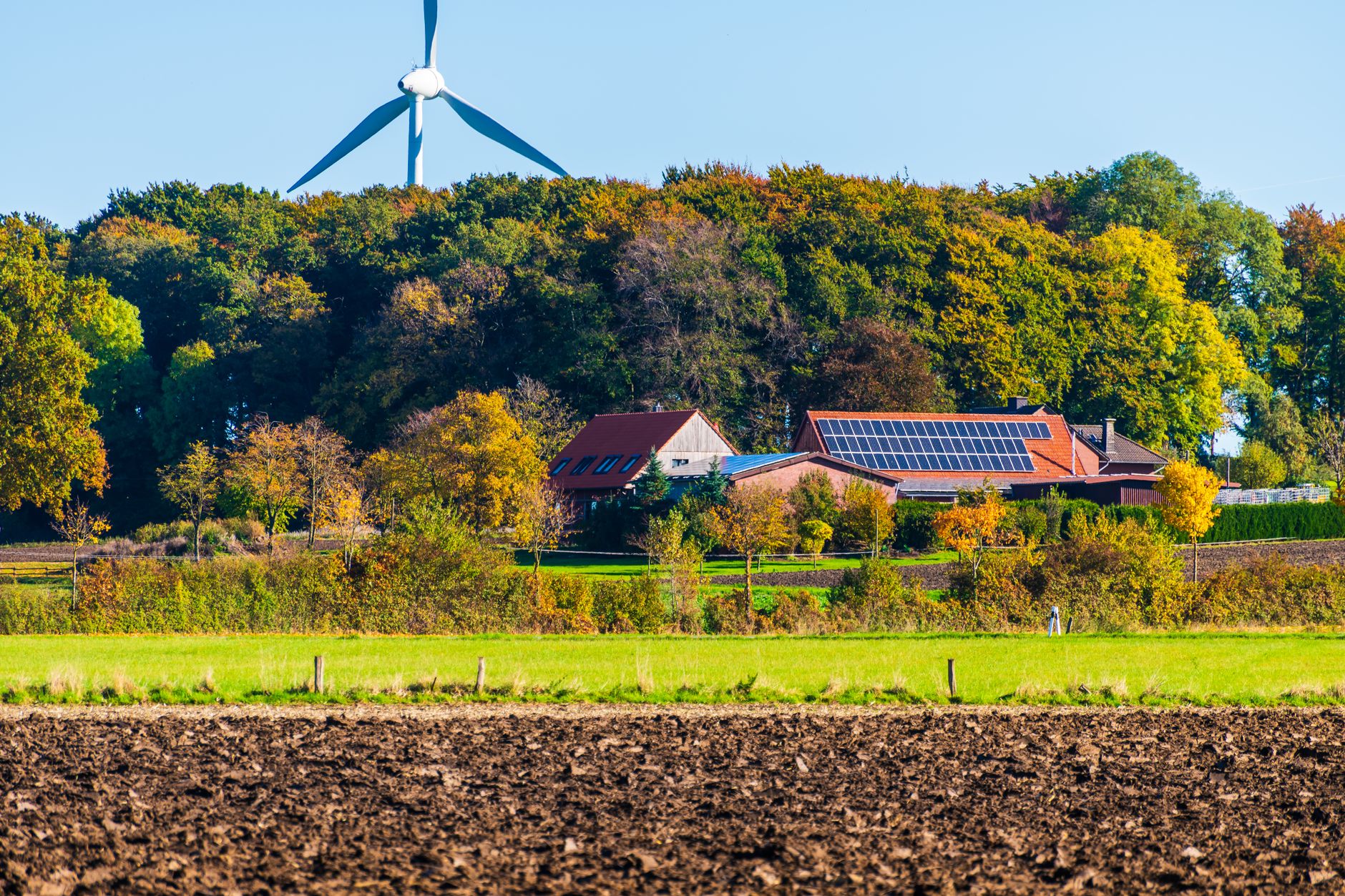
In an era where environmental consciousness is paramount, understanding how to buy green energy plans has become a crucial step for many American households and businesses. Green energy plans, often referred to as renewable energy plans or clean energy plans, are electricity supply options that source power from environmentally friendly, sustainable resources. Unlike traditional electricity, which predominantly comes from fossil fuels like coal and natural gas, green energy is generated from sources that replenish naturally and produce minimal to no greenhouse gas emissions or pollutants. These include solar power, wind power, hydropower, geothermal energy, and biomass. When you opt for a green energy plan, you're not necessarily getting electrons directly from a solar panel on your roof or a wind turbine in your backyard. Instead, you're ensuring that for every kilowatt-hour (kWh) of electricity you consume, an equivalent amount of renewable energy is generated and fed into the power grid. This is typically facilitated through the purchase of Renewable Energy Certificates (RECs) or similar mechanisms, which verify the generation of renewable energy. By choosing to buy green energy plans, you're making a tangible impact on several fronts. Firstly, you significantly reduce your personal or organizational carbon footprint. This directly contributes to combating climate change by decreasing the demand for fossil fuel-derived electricity. Secondly, your decision stimulates growth in the renewable energy sector. Increased demand encourages investment in new solar farms, wind parks, and other clean energy infrastructure, fostering job creation and technological innovation. Thirdly, supporting green energy helps improve air quality and public health by reducing airborne pollutants associated with fossil fuel combustion. Finally, it enhances energy independence and security for the nation by diversifying our energy portfolio and lessening reliance on finite, often politically volatile, fossil fuel resources. It's a powerful statement that consumers want a sustainable future, and it drives utilities and energy providers to accelerate their transition to cleaner sources. The shift towards green energy is not just an environmental imperative but an economic opportunity, with renewable energy sources becoming increasingly cost-competitive. Many consumers are surprised to find that green energy plans can be comparable in price, or even cheaper, than traditional plans, especially in competitive markets. This makes the decision to switch even more appealing, allowing individuals and businesses to align their values with their utility choices without necessarily incurring higher costs. The availability and structure of these plans vary significantly across the United States, depending on state regulations and the competitive landscape of the energy market. Some states have deregulated markets, giving consumers the power to choose their electricity supplier, while others operate under regulated monopolies. Understanding these regional differences is the first step in navigating the process to
find the best energy plan for your needs. This guide will help you understand these nuances and make an informed decision.
Navigating the US Energy Market: Where Can You Buy Green Energy Plans?
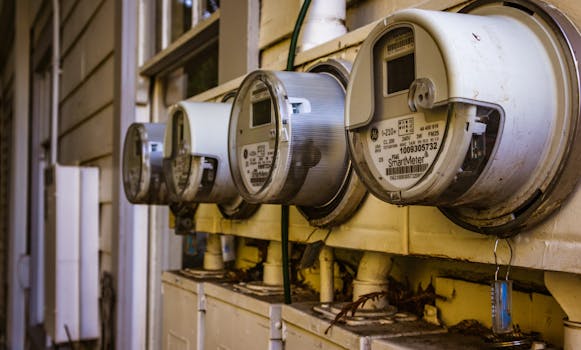 Photo: Robert So / Pexels
The ability to buy green energy plans in the United States is largely determined by the regulatory structure of your state's electricity market. The US energy landscape is broadly divided into two types: regulated markets and deregulated (or restructured) markets. Understanding which type of market you reside in is crucial for identifying your green energy options. In deregulated states, consumers have the power to choose their electricity supplier. This means that while your local utility company still owns and maintains the power lines and delivers electricity to your home, you can select a different company to generate or procure your electricity. This competitive environment has led to a proliferation of energy providers, many of whom specialize in offering green energy plans. States like Texas, Pennsylvania, Ohio, Massachusetts, New York, and Illinois are prime examples of deregulated markets where consumers have a wide array of choices when it comes to green energy suppliers. In these states, you can shop around, compare rates, and choose a plan that aligns with your environmental values and budget. These competitive markets often foster innovation and offer diverse plan structures, including fixed-rate, variable-rate, and even plans that combine electricity with other services. On the other hand, regulated markets operate under a traditional utility monopoly model. In these states, a single utility company is responsible for generating, transmitting, and distributing electricity to all customers in its service territory. Examples include states like Florida, most of the Southeast, and many Western states. While you can't choose an alternative supplier in a regulated market, this doesn't mean green energy options are entirely unavailable. Many regulated utilities are increasingly offering voluntary green power programs. These programs allow customers to pay a small premium on their monthly bill, which goes towards supporting the utility's investment in renewable energy projects or purchasing RECs on behalf of participating customers. While not as direct as choosing a dedicated green supplier, these programs still enable consumers to support clean energy development. To determine your state's market structure, a quick online search for "energy deregulation [your state]" or checking your state's Public Utilities Commission (PUC) website is usually sufficient. Once you know your market type, you can then proceed to identify the specific green energy providers or programs available to you. Even within deregulated states, the availability of specific green energy plans can vary by city or utility service area, so it's always important to input your zip code when researching providers. Additionally, some states or cities have local initiatives or community choice aggregation (CCA) programs that allow local governments to procure electricity on behalf of their residents, often with a focus on renewable sources. These programs can provide another avenue for accessing green energy, even in areas that might otherwise have limited options. The landscape is constantly evolving, with more states exploring deregulation or implementing policies to increase renewable energy adoption. Staying informed about your local energy market is key to making the best choice for your home or business.
Choosing the Right Green Energy Plan: Key Factors to Consider
 Photo: Kindel Media / Pexels
Selecting the best green energy plan involves more than just picking the cheapest option. A thorough evaluation of several key factors will ensure you choose a plan that truly meets your needs, budget, and environmental goals. First and foremost, consider the renewable energy percentage. While many plans are advertised as "green," the actual percentage of renewable energy they source can vary. Some plans offer 100% renewable energy, meaning every electron is offset by a renewable source, while others might offer 50% or a lower percentage. If your primary goal is maximum environmental impact, opting for a 100% renewable plan is ideal. Next, delve into the pricing structure. Green energy plans come with various pricing models: fixed-rate, variable-rate, and sometimes even indexed rates. A fixed-rate plan locks in your electricity price per kWh for the duration of your contract, offering predictability and protection against market fluctuations. This is often preferred for budgeting stability. Variable-rate plans, conversely, have prices that can change monthly based on market conditions. While they might offer lower rates at times, they also carry the risk of price spikes. Understand the terms and conditions meticulously. Pay close attention to contract length, early termination fees, and any introductory rates that might expire. Some plans offer attractive rates for the first few months, only to jump significantly afterward. Be wary of hidden fees or charges that could inflate your bill. Look for transparency in billing and clear explanations of all costs. Another critical factor is the source of the renewable energy. While most green plans rely on a mix of solar and wind, some might include hydropower, geothermal, or biomass. If you have a preference for a specific type of renewable energy, verify that the plan aligns with your interests. Reputable providers will disclose their energy mix. Certifications are also vital. Look for independent certifications like Green-e Energy, which ensures that renewable energy products meet strict environmental and consumer protection standards. Green-e certified products verify that the renewable energy was generated from new facilities, is not double-counted, and is sourced from the region specified. This provides assurance that your investment is genuinely supporting renewable energy development. Customer service and company reputation should not be overlooked. Research reviews and ratings of potential providers. A company with excellent customer service can make a significant difference if you encounter any issues or have questions about your bill or plan. Consider the company's commitment to sustainability beyond just their energy offerings. Do they have other environmental initiatives? Do they support local clean energy projects? Finally, assess any additional benefits or perks. Some providers offer smart thermostat integrations, energy efficiency audits, or loyalty programs. While these shouldn't be the primary deciding factor, they can add value to your chosen plan. By carefully weighing these factors, you can confidently buy green energy plans that not only power your home sustainably but also align with your financial and ethical considerations. Making an informed decision ensures you get the most out of your commitment to a cleaner future.
Compare providers carefully.
Avoiding Common Pitfalls When Choosing Green Energy
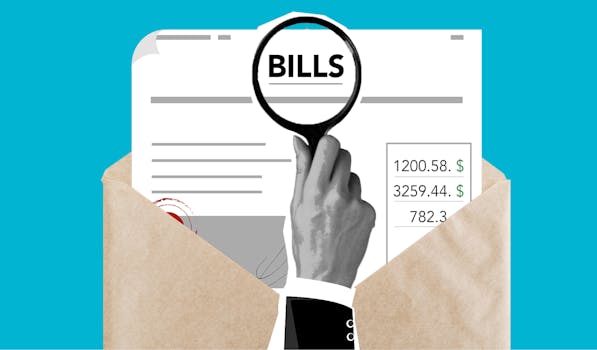 Photo: Monstera Production / Pexels
While the desire to embrace sustainable living by choosing green energy plans is commendable, navigating the market can present certain challenges. Being aware of common pitfalls can help you make a more informed and beneficial decision. Here are some key mistakes to avoid:
* **Not Comparing Enough Options:** One of the biggest errors consumers make is settling for the first green energy plan they encounter. The market, especially in deregulated states, is competitive. Different providers will offer varying rates, contract terms, and renewable energy percentages. Always get quotes from at least three different suppliers to ensure you're getting the best value and the most suitable plan for your consumption habits. Utilize online comparison tools that aggregate different plans in your area.
* **Overlooking Contract Details and Hidden Fees:** The allure of a low introductory rate can be strong, but it's crucial to read the fine print. Many plans have early termination fees that can be substantial if you decide to switch providers before your contract ends. Some plans might have variable rates that spike after an initial fixed-rate period, or they might include monthly service charges that aren't immediately obvious. Always clarify all potential fees, including minimum usage charges or charges for payment methods.
* **Misunderstanding Renewable Energy Certificates (RECs):** While RECs are a legitimate mechanism for supporting renewable energy, some consumers might feel misled if they expect direct electrons from a local solar farm. It's important to understand that RECs ensure that an equivalent amount of clean energy is added to the grid, even if the physical electricity flowing to your home isn't exclusively from renewable sources. Ensure the RECs are Green-e certified or from a reputable source to guarantee their integrity and avoid 'greenwashing.'
* **Ignoring the Percentage of Green Energy:** Not all "green" plans are 100% renewable. Some plans might only source a portion of their electricity from renewable sources, supplementing the rest with traditional power. If your goal is to maximize your environmental impact, always verify the percentage of renewable energy in the plan. Providers should clearly state this information.
* **Failing to Monitor Usage and Bills:** Even after switching to a green energy plan, it's wise to regularly review your monthly electricity bills. This helps you track your consumption, ensure accurate billing, and confirm that the rates you're being charged match your contract. If you notice unexpected changes or discrepancies, contact your provider immediately. Monitoring your usage can also help you identify opportunities for further energy efficiency improvements.
* **Assuming Green Means More Expensive:** While historically green energy was often perceived as a premium product, this is no longer universally true. Due to advancements in technology and economies of scale, renewable energy sources like solar and wind are increasingly cost-competitive, sometimes even cheaper than fossil fuels. Don't let a preconceived notion about cost deter you from exploring green options; you might be pleasantly surprised by the affordability.
By being diligent and informed, you can confidently navigate the green energy market and choose a plan that genuinely benefits both your household and the planet, avoiding common pitfalls along the way.