✓ The US solar market is projected to grow significantly in the coming years, driven by incentives and decreasing costs.
✓ Federal tax credits (ITC) can cover up to 30% of your solar installation costs, making it highly affordable.
✓ Choosing a local installer often provides better customer service and faster response times for maintenance.
✓ Solar panels typically have a lifespan of 25-30 years, offering long-term energy independence.
How It Works
1
Initial Consultation & Site Assessment
Reputable solar companies will conduct an initial consultation to understand your energy needs and perform a detailed site assessment of your property. This includes analyzing roof size, angle, shading, and local zoning requirements.
2
System Design & Proposal
Based on the assessment, engineers design a custom solar system tailored to your energy consumption and property specifics. You'll receive a comprehensive proposal outlining system size, estimated savings, costs, and available incentives.
3
Permitting & Installation
Once you approve the design, the solar company handles all necessary permits and inspections with local authorities. Professional installers then mount the panels, connect the electrical components, and ensure the system is up to code.
4
System Activation & Monitoring
After final inspections and approval from your utility company, your solar system is activated, and you start generating clean energy. Most companies offer monitoring solutions to track performance and troubleshoot any issues.
Navigating the US Solar Market: Choosing Your Installer
Photo: Hoan Ngọc / Pexels
The United States is a dynamic and rapidly expanding market for solar energy, with homeowners and businesses increasingly recognizing the profound benefits of transitioning to renewable power. From significant financial savings on electricity bills to enhanced energy independence and a reduced carbon footprint, the allure of solar is undeniable. However, the decision to 'go solar' is a substantial investment, and selecting the right solar panel installation company in the US is paramount to a successful and satisfying experience. With countless providers vying for your business, understanding what distinguishes a truly excellent installer from an average one is crucial. This section will guide you through the essential considerations, helping you navigate the complexities of the US solar market to make an informed decision.
First and foremost, experience and reputation are non-negotiable. A company with a long-standing history in the solar industry, particularly within your specific region, often signifies a deep understanding of local regulations, permitting processes, and weather conditions that can impact system performance. Look for companies with a robust portfolio of completed projects and a strong track record of positive customer reviews. Websites like Yelp, Google Reviews, and industry-specific platforms are excellent resources for gauging customer satisfaction and identifying any recurring issues. Furthermore, check if the company is accredited by relevant industry bodies, such as the North American Board of Certified Energy Practitioners (NABCEP), which indicates a commitment to high standards of professionalism and technical expertise.
Another critical factor is the range of services offered. Some companies specialize solely in installation, while others provide a full suite of services, including system design, permitting, financing options, and ongoing maintenance. A full-service provider can simplify the entire process, acting as a single point of contact from initial consultation to post-installation support. This integrated approach can save you time, reduce potential headaches, and ensure seamless coordination across all project phases. Additionally, inquire about the types of solar panels and inverters they offer. Top-tier companies typically partner with leading manufacturers, providing high-efficiency, durable products backed by strong warranties. Understanding the technology being proposed is essential for assessing the long-term performance and reliability of your solar investment. For more information on the broader benefits of adopting renewable power, explore our insights on sustainable energy solutions.
Finally, transparency in pricing and financing options cannot be overstated. A reputable solar panel installation company in the US will provide a clear, itemized quote that breaks down all costs, including equipment, labor, permits, and any potential fees. Be wary of quotes that seem unusually low or lack detailed breakdowns, as these may hide additional charges. Many companies offer various financing solutions, such as outright purchase, solar loans, or power purchase agreements (PPAs). Understand the pros and cons of each option and choose the one that best aligns with your financial goals and risk tolerance. Don't hesitate to ask for multiple quotes from different providers to compare offerings and ensure you're getting the best value for your investment. This diligent approach will empower you to select an installer that not only meets your technical requirements but also aligns with your budgetary expectations and provides peace of mind throughout the solar journey.
Key Factors Influencing Solar System Performance and Savings
Photo: Kindel Media / Pexels
While choosing the right solar panel installation company in the US is the first step, understanding the factors that influence your solar system's performance and long-term savings is equally important. These elements directly impact how much electricity your system generates, how quickly you recoup your initial investment, and the overall value you derive from going solar. Being aware of these variables allows you to have more informed discussions with your installer and make decisions that optimize your energy production.
One of the most significant factors is the amount of sunlight your property receives, often referred to as solar irradiance. This is influenced by your geographical location, local weather patterns, and the presence of any shading. While you can't change your location, a good installer will conduct a thorough shade analysis to identify optimal panel placement and recommend solutions like micro-inverters or power optimizers that can mitigate the impact of partial shading. These technologies allow individual panels to operate independently, preventing a single shaded panel from reducing the output of the entire array. The orientation and tilt of your roof also play a crucial role. In the Northern Hemisphere, south-facing roofs with a tilt angle close to your latitude typically receive the most direct sunlight throughout the day, maximizing energy capture. If your roof isn't ideally oriented, a skilled installer can often design a system that still performs efficiently, perhaps by utilizing different roof sections or ground-mounted arrays.
The quality and efficiency of the solar panels and inverters chosen for your system are another critical determinant of performance. Higher efficiency panels can convert more sunlight into electricity within a smaller footprint, which is particularly beneficial for roofs with limited space. While premium panels might have a higher upfront cost, their increased output can lead to greater long-term savings. Similarly, the inverter, which converts the DC electricity from your panels into AC electricity usable by your home, is a vital component. String inverters, micro-inverters, and power optimizers each have their advantages, and the best choice depends on your specific system design and budget. Discuss these options thoroughly with your installer to understand the implications for performance, monitoring, and future maintenance.
Finally, understanding the financial incentives and policies available in your state and at the federal level is crucial for maximizing savings. The federal Solar Investment Tax Credit (ITC) allows you to deduct a percentage of the cost of your solar system from your federal taxes, making solar significantly more affordable. Beyond the federal ITC, many states offer additional incentives, such as state tax credits, rebates, or performance-based incentives (PBIs) that pay you for the electricity your system generates. Net metering policies are also vital, allowing you to send excess electricity generated by your panels back to the grid in exchange for credits on your utility bill. These credits can offset the cost of electricity you draw from the grid when your panels aren't producing enough power. Keeping abreast of these evolving policies and ensuring your chosen solar panel installation company in the US is knowledgeable about them can unlock substantial financial benefits, significantly reducing your payback period and increasing your overall return on investment.
Understanding Warranties, Maintenance, and Long-Term Support
Photo: Kindel Media / Pexels
Investing in a solar energy system is a long-term commitment, often spanning 25 years or more. Therefore, understanding the warranties, maintenance requirements, and long-term support offered by solar panel installation companies in the US is just as important as the initial installation process. These aspects ensure your investment is protected, your system operates efficiently for its entire lifespan, and you have reliable assistance should any issues arise. Neglecting to scrutinize these details can lead to unexpected costs and frustrations down the line.
Solar systems typically come with several types of warranties. The most common are the equipment warranty (or product warranty), performance warranty, and workmanship warranty. The equipment warranty, usually provided by the panel manufacturer, covers manufacturing defects and material failures, often for 10-12 years, though some premium panels offer 25-year product warranties. The performance warranty guarantees that your panels will produce a certain percentage of their rated power output for a specified period, typically 25 years, often guaranteeing 80-85% of original output by year 25. The workmanship warranty, provided by your solar installer, covers the installation itself, including the mounting, wiring, and roof penetrations. This warranty is critical, as improper installation can lead to leaks or system failures. Ensure your chosen company offers a robust workmanship warranty, ideally for at least 10 years, demonstrating confidence in their installation quality. Always read the fine print of all warranties to understand what is covered, for how long, and the process for making a claim. This due diligence ensures your investment is safeguarded for decades.
While solar systems are generally low-maintenance, they are not entirely maintenance-free. Regular monitoring of your system's performance is crucial, and many modern systems come with online monitoring platforms that allow you to track energy production in real-time. This helps you quickly identify any drops in performance that might indicate an issue. Physical maintenance typically involves keeping the panels clean to prevent dirt, dust, and debris from accumulating and reducing efficiency. In most regions, natural rainfall is sufficient to keep panels clean, but in drier or dustier areas, occasional manual cleaning may be necessary. It's also advisable to have your system inspected periodically by a professional to check electrical connections, inverter health, and structural integrity. Some solar panel installation companies in the US offer maintenance packages or extended service plans, which can provide peace of mind and ensure your system continues to operate at peak efficiency. Understanding these long-term care requirements and factoring them into your decision is essential for maximizing your return on investment.
Finally, consider the long-term support and customer service offered by the company. What is their response time for service calls? Do they have a dedicated support team? What happens if your inverter fails after the manufacturer's warranty expires? A company that stands behind its work and offers accessible, responsive support is invaluable. Look for companies with a local presence, if possible, as this can often translate to quicker service and a more personalized experience. Ask about their process for handling warranty claims and technical issues. A strong commitment to post-installation support ensures that your solar journey is smooth, and any potential challenges are addressed promptly and effectively, securing the enduring value of your renewable energy investment.
Avoiding Common Pitfalls When Hiring Solar Installers
Photo: Ron Lach / Pexels
While the benefits of solar energy are immense, the process of selecting and working with solar panel installation companies in the US can present certain challenges if you're not careful. Being aware of common pitfalls can help you avoid costly mistakes, frustrating delays, and dissatisfaction with your solar investment. A proactive and informed approach is your best defense against potential issues.
One significant pitfall is falling for high-pressure sales tactics or unrealistic promises. Be wary of companies that demand an immediate decision, offer deals that seem too good to be true, or refuse to provide detailed, itemized quotes. Reputable installers understand that solar is a major decision and will give you ample time to review proposals, ask questions, and compare options. Similarly, be skeptical of claims of 'zero-dollar electric bills' or payback periods that seem incredibly short. While solar can dramatically reduce your electricity costs, a completely zero bill is often an exaggeration, especially if you rely on grid power during peak demand or cloudy days. Always seek realistic projections based on your actual energy consumption and local solar irradiance data.
Another common mistake is not thoroughly vetting the company's licensing, insurance, and certifications. In many states, solar installers must hold specific licenses. Verify that the company is properly licensed and insured to protect yourself from liability in case of accidents or property damage during installation. Ask for proof of insurance, including general liability and worker's compensation. Furthermore, check for certifications like NABCEP, which signifies a commitment to industry best practices and technician expertise. A company that cannot readily provide this information should raise a red flag.
Finally, neglecting to review the contract carefully before signing is a pitfall that can lead to significant problems. Read every clause, paying close attention to payment schedules, cancellation policies, warranty details, and what happens if there are project delays. Ensure that the contract explicitly states the total system size, panel and inverter models, estimated energy production, and the full installed price. If anything is unclear, ask for clarification in writing. Do not sign a contract that includes blank spaces or promises that are only verbally communicated. It's often advisable to have an independent legal review of the contract, especially for larger commercial installations, to ensure your interests are fully protected. By taking these precautions, you can significantly mitigate risks and ensure a smooth, successful solar installation experience.
Comparison
Feature
Local Installer
National Chain
DIY (Not Recommended)
Personalized Service
High
Medium
N/A
Local Expertise/Permits
Excellent
Good
Challenging
Pricing Competitiveness
Variable (often good)
Often competitive
Lowest (but risky)
Warranty & Support
Reliable (local)
Reliable (corporate)
Dependent on component mfrs
Installation Speed
Potentially faster
Can be slower
Very slow
Financing Options
Good
Excellent
None
Risk of Issues
Low
Low
High
What Readers Say
★★★★★
"After researching numerous solar panel installation companies US, I chose a local provider, and I couldn't be happier. The team was professional, explained everything clearly, and my electricity bills have plummeted. Highly recommend their service!"
Sarah J. · Austin, TX
★★★★★
"Our experience with solar installation was seamless thanks to our chosen company. From the initial quote to final activation, they handled every detail. Our system is performing exactly as promised, and we're seeing significant savings each month."
Michael D. · San Diego, CA
★★★★★
"We were looking for reliable solar panel installation companies US and found one that exceeded our expectations. They helped us navigate all the state incentives, and our first full month with solar resulted in a $15 utility bill, down from $200!"
Emily R. · Boston, MA
★★★★★
"The installation process was mostly smooth, though there was a slight delay with permitting. However, the company's communication was excellent, and the system is now generating plenty of power. Very satisfied with the overall outcome."
David L. · Phoenix, AZ
★★★★★
"As a small business owner, finding commercial solar panel installation companies US that understood our unique needs was crucial. Our chosen partner delivered a robust system that perfectly fits our energy demands and budget, making our operations greener and more cost-effective."
Jessica M. · Denver, CO
Frequently Asked Questions
What is the average cost of solar panel installation in the US?
The average cost of solar panel installation in the US typically ranges from $15,000 to $25,000 before incentives, depending on system size, location, and equipment. However, with the federal ITC and various state programs, the net cost can be significantly reduced, making solar more accessible and affordable for many homeowners.
How long does it take to install solar panels?
While the physical installation of solar panels on your roof usually takes 1-3 days, the entire process from initial consultation to system activation can take anywhere from 1 to 3 months. This timeframe includes site assessment, system design, permitting, utility approval, and final inspections, all handled by solar panel installation companies US.
What kind of maintenance do solar panels require?
Solar panels require relatively low maintenance. Generally, natural rainfall is sufficient to keep them clean. However, in dusty areas or during prolonged dry spells, occasional cleaning might be beneficial. It's also recommended to monitor your system's performance and have a professional inspection every few years to ensure optimal operation and longevity.
Will solar panels increase my home's value?
Yes, numerous studies indicate that homes with owned solar panel systems sell faster and at a premium compared to comparable homes without solar. The exact increase in value can vary based on location, system size, and local electricity rates, but it's generally considered a sound investment that enhances property appeal and marketability.
Are there any government incentives for installing solar panels in the US?
Absolutely. The primary federal incentive is the Solar Investment Tax Credit (ITC), which currently offers a 30% tax credit on the cost of your solar system. Many states and even local municipalities also offer additional incentives such as rebates, state tax credits, property tax exemptions, or performance-based incentives, significantly reducing your upfront costs.
Who should consider installing solar panels?
Anyone looking to reduce their monthly electricity bills, increase their home's value, gain energy independence, or decrease their carbon footprint should consider installing solar panels. It's particularly beneficial for homeowners in areas with high electricity rates and ample sunlight, and those planning to stay in their homes for several years to realize the full financial benefits.
What happens if my solar panels produce more energy than I use?
If your solar panels produce more electricity than your home consumes, the excess power is typically sent back to the electrical grid. Under 'net metering' policies, your utility company credits your account for this surplus energy, which can then be used to offset your electricity consumption from the grid during times when your panels are not producing enough power, like at night or on cloudy days.
What are the future trends for solar panel installation companies US?
Future trends for solar panel installation companies in the US include increased integration with battery storage systems for enhanced energy independence and resilience, advancements in panel efficiency and aesthetics (e.g., solar shingles), and the expansion of smart home energy management systems that optimize solar usage. We also expect continued growth in community solar projects and innovative financing models.
Ready to embrace sustainable energy and significant savings? Connect with leading solar panel installation companies US today to get a personalized quote and begin your journey toward energy independence. Make an informed choice and power your future with sunshine.

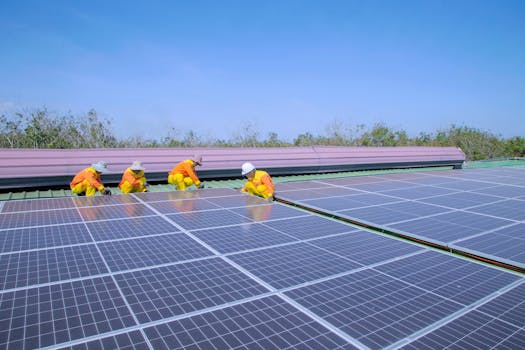 Photo: Hoan Ngọc / Pexels
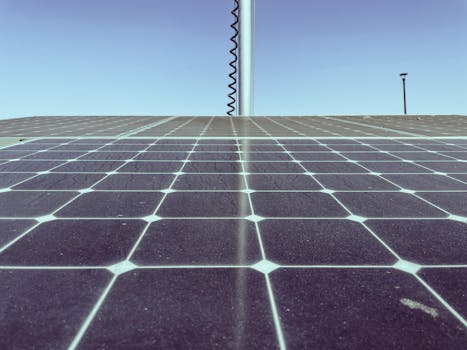 Photo: Kindel Media / Pexels
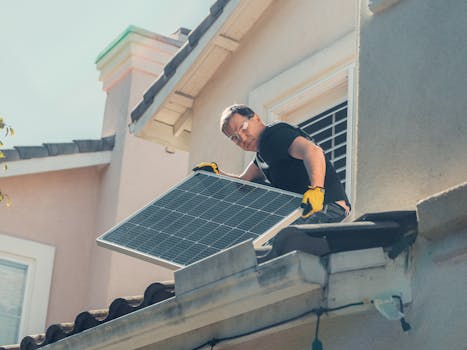 Photo: Kindel Media / Pexels
 Photo: Ron Lach / Pexels