
Find the Best Portable Power Station for Camping Adventures
Never run out of power on your outdoor excursions with our expert guide to the top portable power stations.
Power Up Your Camp!Key Takeaways
- ✓ Portable power stations offer silent, fume-free electricity for camping.
- ✓ Key considerations include capacity (Wh), output (W), and charging methods.
- ✓ Lithium-ion batteries are standard, with LiFePO4 offering longer lifespans.
- ✓ Solar panel compatibility significantly extends off-grid utility.
How It Works
Plug your portable power station into a wall outlet, car charger, or solar panel to fully charge its internal battery. This prepares it for your camping trip, ensuring maximum power availability.
Safely pack and transport the power station to your desired camping location. Their rugged design and often compact form factor make them ideal for vehicle or even backpack transport.
Once at the campsite, simply plug your devices – phones, laptops, mini-fridges, lights – into the various output ports (AC, DC, USB). The power station converts its stored energy into usable electricity.
Monitor the power station's battery level and recharge it using available methods like solar panels during the day or a car charger on the go. This ensures continuous power throughout your multi-day adventures.
Why a Portable Power Station is Essential for Modern Camping
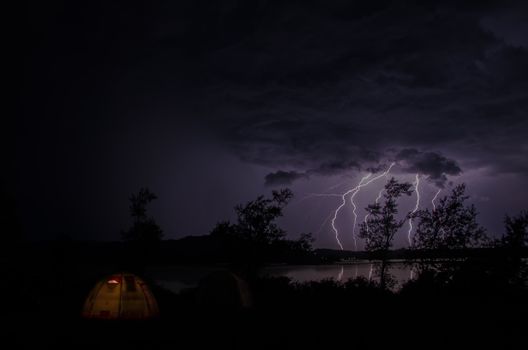 Photo: Роман Раскошный / Pexels
Key Features to Consider When Buying a Camping Power Station
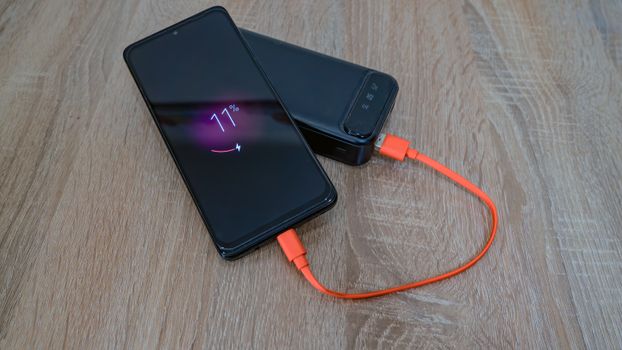 Photo: Eleonora Vokueva / Pexels
Top Portable Power Station Models for Diverse Camping Needs
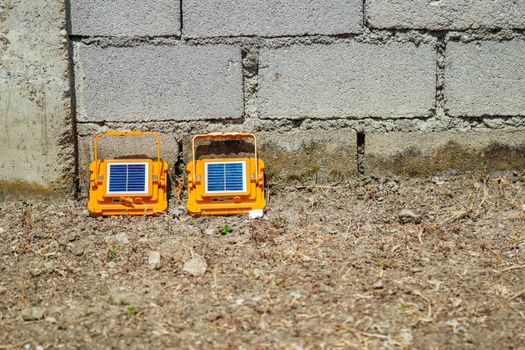 Photo: Nothing Ahead / Pexels
Maximizing Your Portable Power Station's Lifespan and Efficiency
 Photo: Tuấn Nguyễn Văn / Pexels
Comparison
| Feature | Jackery Explorer 1000 Pro | EcoFlow River 2 Pro | Goal Zero Yeti 700 |
|---|---|---|---|
| Capacity (Wh) | 1002Wh | 768Wh | 676Wh |
| Output (W) | 1000W (2000W surge) | 800W (1600W surge) | 600W (1200W surge) |
| Battery Type | Li-ion NMC | LiFePO4 | Li-ion NMC |
| Charging Time (AC) | 1.8 hrs | 70 mins | 3 hrs |
| Solar Input (W) | Up to 800W | Up to 220W | Up to 200W |
| Weight | 25.4 lbs | 17.2 lbs | 15.4 lbs |
| App Control | ✗ | ✓ | ✓ |
What Readers Say
"The EcoFlow River 2 Pro is the best portable power station for camping I've ever owned. It charged my phone, laptop, and ran my mini-fridge all weekend. Absolutely essential for longer trips!"
Sarah J. · Denver, CO"I can't believe how quiet and powerful my Jackery Explorer 1000 Pro is. It kept all our devices powered during a week-long camping trip in Big Bend, even with solar panels. Highly recommend for any serious camper."
Mark D. · Austin, TX"My Goal Zero Yeti 700 saved our trip! My CPAP machine ran flawlessly for three nights on a single charge. No more worrying about finding outlets in the wilderness. Peace of mind is priceless."
Jessica L. · Portland, OR"The Bluetti AC50S is a great compact unit for weekend trips. It's a bit heavier than I expected for its size, but the build quality is excellent, and it handles all my charging needs for short excursions."
Kevin S. · Miami, FL"As an outdoor photographer, keeping my drone and camera batteries charged is crucial. My portable power station (Jackery Explorer 500) has been a game-changer for multi-day shoots in remote locations. Never miss a shot due to dead batteries!"
Emily R. · Seattle, WAFrequently Asked Questions
What is the ideal capacity (Wh) for a portable power station for camping?
The ideal capacity depends entirely on your power needs. For light use (phones, lights) for a weekend, 200-500Wh might suffice. For powering a mini-fridge, laptop, or medical devices for several days, aim for 700Wh to 1500Wh+. Calculate the total wattage of your devices and multiply by their expected run time to get a good estimate.
Are portable power stations safe to use inside a tent?
Yes, unlike gas generators, portable power stations are completely safe to use inside a tent or enclosed space. They produce no fumes, operate silently, and generate minimal heat. This makes them ideal for powering devices overnight or during inclement weather without safety concerns.
How do I charge a portable power station while camping?
Most portable power stations offer multiple charging methods. The most common are AC wall outlets (for charging before your trip), 12V car chargers (for charging while driving), and solar panels. Connecting compatible solar panels allows you to replenish the battery using sunlight, making them perfect for extended off-grid camping.
Is a portable power station worth the investment for occasional campers?
Even for occasional campers, a portable power station can be a worthwhile investment. It provides peace of mind for charging essential devices, enhances comfort with portable appliances, and serves as a reliable emergency power source at home. Its versatility extends beyond camping to tailgating, backyard parties, and power outages.
What's the difference between a portable power station and a power bank?
Portable power stations are significantly larger and more powerful than power banks. Power banks are typically designed for charging small electronics like phones and tablets via USB. Power stations, however, have much higher capacities, offer AC outlets for standard appliances, and can power multiple devices simultaneously for extended periods, making them suitable for camping and off-grid use.
Who should prioritize a portable power station with LiFePO4 batteries?
Campers who plan on frequent use, those needing a very long-lasting battery, or anyone prioritizing enhanced safety should opt for LiFePO4 batteries. They offer significantly more charge cycles (2000-3500+) compared to traditional Li-ion (500-1000) and are more thermally stable, making them a more durable and safer long-term investment.
Can I leave my portable power station charging in the sun with solar panels all day?
Yes, most modern portable power stations have advanced battery management systems (BMS) that prevent overcharging. You can generally leave them connected to solar panels all day. However, it's always wise to monitor the unit, especially in extreme heat, and refer to your specific model's manual for optimal charging practices and temperature limits.
What future trends are expected in portable power stations for camping?
Future trends include increased energy density for more power in smaller packages, faster charging technologies, even longer-lasting LiFePO4 batteries, and enhanced smart features like AI-powered energy management and more robust app integration. We can also expect greater integration with smart home ecosystems and more eco-friendly manufacturing processes.
Embark on your next adventure fully powered. Choosing the best portable power station for camping means unlocking greater comfort, safety, and connectivity in the great outdoors. Don't let a dead battery cut your wilderness experience short; invest in reliable power today and make every camping trip unforgettable.