Best Energy Monitoring Devices for Home: Save Money & Power
best energy monitoring devices for home

Best Energy Monitoring Devices for Home: Save Money & Power

Unlock significant savings and gain complete control over your home's electricity consumption with top-rated monitoring solutions.

Find Your Perfect Monitor

Key Takeaways

  • ✓ Energy monitors can reduce electricity bills by 10-20% by identifying phantom load and inefficient appliances.
  • ✓ There are various types: whole-home, plug-in, and smart thermostat integrations.
  • ✓ Real-time data and historical trends help pinpoint energy hogs and optimize usage patterns.
  • ✓ Many devices offer smartphone app control, alerts, and integration with other smart home systems.

How It Works

1
Install the Device

Depending on the type, installation can be as simple as plugging into an outlet or require professional installation at your electrical panel. Follow manufacturer instructions carefully for safe setup.

2
Collect Data

Once installed, the device immediately begins collecting data on your electricity consumption. This can be at the whole-home level or for individual appliances, measuring voltage, current, and power.

3
Analyze Insights

The collected data is then transmitted to a user-friendly interface, usually a smartphone app or web portal. Here, you can view real-time usage, historical trends, and identify spikes or consistent energy drains.

4
Optimize Usage & Save

Armed with insights, you can make informed decisions: unplug phantom loads, replace inefficient appliances, or adjust usage habits. This direct feedback empowers you to significantly reduce your energy consumption and costs.

Understanding Home Energy Consumption and Why It Matters
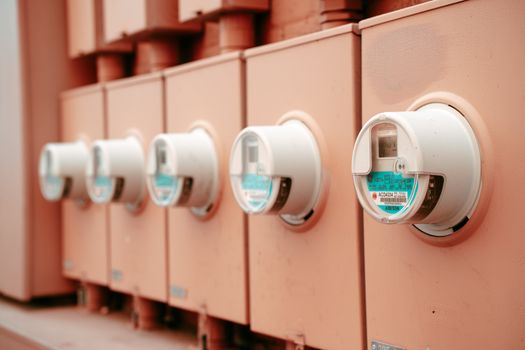
Close-up view of a row of industrial electricity meters for power monitoring and technology. Photo: Connor Scott McManus / Pexels
In an era where sustainability is paramount and household budgets are constantly scrutinized, understanding your home's energy consumption isn't just a niche interest—it's a financial imperative and an environmental responsibility. For many homeowners across the US, electricity bills represent a significant, often mysterious, monthly expenditure. Without clear insights into *how* and *where* energy is being used, it's virtually impossible to identify inefficiencies, make informed decisions, or implement effective energy-saving strategies. This is precisely where the best energy monitoring devices for home come into play, transforming opaque utility statements into actionable data. Energy consumption in a typical American home is a complex tapestry woven from a multitude of appliances, lighting, heating, and cooling systems. From the moment you wake up and turn on the coffee maker, to the constant hum of your refrigerator, to the hours spent watching TV, every action contributes to your overall energy footprint. The challenge lies in distinguishing essential usage from wasteful habits or inefficient appliances. Many homeowners are surprised to learn about 'phantom load' or 'vampire drain'—the electricity consumed by devices even when they are turned off but still plugged in. Think about your TV, computer, or phone charger; they subtly draw power around the clock, adding up to a considerable amount over time. Heating and cooling systems, often the largest energy consumers, also present opportunities for significant savings through better management. Beyond the immediate financial benefits of reducing your electricity bill, there are broader implications for understanding and managing home energy. Reducing consumption lessens your carbon footprint, contributing to a healthier planet. It also enhances your home's resilience against rising energy costs and potential grid instability. Moreover, smart energy management can increase the overall value and appeal of your property, aligning with a growing trend towards sustainable living. The ability to see real-time data, track historical trends, and receive alerts about unusual consumption patterns empowers you to become a proactive participant in your home's energy narrative, rather than a passive recipient of monthly bills. This foundational understanding is the first step towards achieving true energy independence and maximizing your home's efficiency. Learn more about optimizing your home energy usage.

Types of Energy Monitoring Devices: Finding Your Perfect Fit
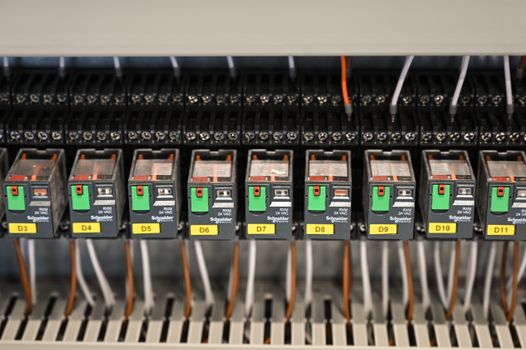
Close-up view of electrical relays in an industrial panel box showcasing circuit components. Photo: Vladimir Srajber / Pexels
The market for energy monitoring devices has expanded significantly, offering a range of options tailored to different needs, budgets, and technical comfort levels. Understanding the distinctions between these types is crucial for selecting the best energy monitoring devices for home that align with your specific goals. Generally, these devices can be categorized into three main types: whole-home monitors, plug-in monitors, and smart thermostat integrations. **Whole-Home Energy Monitors** are perhaps the most comprehensive solution. These devices are typically installed directly into your home's electrical panel (breaker box) and provide a real-time, aggregated view of your entire household's electricity consumption. They use current clamps that attach to the main service wires, measuring the total flow of electricity. Many advanced models can even disaggregate data, using machine learning algorithms to identify individual appliances based on their unique energy signatures. This means you might see that your HVAC system consumed X kWh, your water heater Y kWh, and your refrigerator Z kWh, all without individual sensors on each appliance. Installation often requires comfort with basic electrical work or the assistance of a qualified electrician, as it involves working within the main electrical panel. Benefits include a holistic overview, detailed breakdowns, and the ability to detect issues like faulty wiring or inefficient large appliances. Brands like Sense, Emporia Vue, and Lumin Smart Panel are prominent in this category. **Plug-in Energy Monitors** are the simplest and most accessible type. These devices, often called 'smart plugs' or 'power meters,' are designed to monitor the energy consumption of individual appliances. You simply plug the monitor into a wall outlet, and then plug the appliance into the monitor. They provide granular data for specific devices, allowing you to identify 'energy hogs' like old refrigerators, gaming consoles, or specific electronics. While they don't offer a whole-home view unless you purchase many of them, they are excellent for pinpointing specific problem areas and are incredibly easy to install and move around. They are ideal for renters or those who want to focus on optimizing a few key appliances without the complexity of a panel-based system. Popular examples include the Kill A Watt meter, TP-Link Kasa Smart Plug with Energy Monitoring, and Wyze Plug Outdoor. **Smart Thermostat Integrations** offer a more specialized form of energy monitoring, primarily focusing on your home's heating and cooling systems. While not comprehensive whole-home monitors, many modern smart thermostats (like Nest or Ecobee) provide detailed reports on HVAC run times, temperature settings, and how these factors impact your energy consumption. They often integrate with utility programs and can learn your habits to optimize temperature settings for energy savings. While they don't measure plug loads, they tackle the largest energy consumer in most homes, offering significant savings potential. Some smart thermostats can also connect with other smart home devices, providing a more integrated approach to energy management. Choosing the right type depends on whether you need a broad overview, specific appliance insights, or focused HVAC optimization, all contributing to a more energy-efficient household.

Top Features to Look For in the Best Energy Monitoring Devices for Home

Close-up shot of a smartphone screen showing various app icons, indicating digital technology use. Photo: Amarnath Radhakrishnan / Pexels
When evaluating the best energy monitoring devices for home, a myriad of features can enhance their utility and your overall experience. The right combination of these features will not only help you save money but also make the process of energy management intuitive and effective. Understanding what to prioritize can make a significant difference in your long-term satisfaction and success in reducing your energy footprint. Explore more ways to make your home energy efficient. **Real-time Data and Historical Reporting:** This is arguably the most crucial feature. Real-time data allows you to see the immediate impact of turning on or off an appliance, providing instant feedback. Historical reporting, on the other hand, lets you track trends over days, weeks, months, or even years. This historical context is vital for identifying seasonal spikes, understanding the long-term effects of energy-saving efforts, and comparing your usage patterns over time. Look for devices that offer granular data (e.g., minute-by-minute or second-by-second) and present it in clear, easy-to-understand graphs and charts. **App Interface and User Experience:** The data collected by your energy monitor is only as useful as its presentation. A well-designed, intuitive smartphone app or web portal is essential. It should be easy to navigate, provide clear visuals, and offer customizable dashboards. Features like push notifications for unusual usage spikes, alerts for high consumption, and personalized tips for saving energy can greatly enhance the user experience. The best apps will simplify complex data into actionable insights, making it easy for anyone to understand their energy habits. **Integration with Smart Home Ecosystems:** For those with existing smart home setups (e.g., Google Home, Amazon Alexa, Apple HomeKit), seamless integration is a huge plus. This allows you to view energy data alongside other smart home metrics, potentially automate actions based on energy consumption (e.g., turn off lights if usage is low and nobody is home), and control devices through voice commands. Compatibility with IFTTT (If This Then That) can also expand automation possibilities. **Disaggregation Technology (Appliance Recognition):** Found primarily in whole-home monitors, disaggregation technology uses sophisticated algorithms to identify individual appliances' energy signatures from the total electrical load. This means you don't need separate sensors for your refrigerator, washing machine, or oven. The monitor 'learns' what each appliance sounds like electrically and reports its individual consumption. This feature is a game-changer for pinpointing specific energy hogs without extensive manual setup. **Accuracy and Reliability:** The data provided by your monitor must be accurate to be useful. Look for devices with high accuracy ratings (typically within 1-5%). Reliability in data transmission and consistent operation is also key. You want a device that works continuously without frequent dropouts or glitches. **Installation Complexity:** Consider your comfort level with electrical work. Plug-in monitors are DIY-friendly, while whole-home monitors often require professional installation or a confident DIYer with electrical knowledge. Some whole-home systems offer easy-install clamp sensors, but working inside the electrical panel always carries inherent risks. **Cost vs. Features:** Balance the upfront cost of the device with the features it offers and its potential for long-term savings. More advanced features often come with a higher price tag, but they might also provide deeper insights that lead to greater savings over time. Evaluate the return on investment (ROI) based on your current energy bill and desired level of detail. By carefully considering these features, you can select an energy monitoring device that not only meets your technical requirements but also empowers you to take meaningful control of your home's energy consumption, leading to a more sustainable and cost-effective lifestyle.

Optimizing Your Home's Energy: Practical Tips and Common Mistakes
Two LED light bulbs on a bright yellow background, emphasizing modern energy-efficient lighting. Photo: Riki Risnandar / Pexels
Acquiring one of the best energy monitoring devices for home is a fantastic first step, but the real magic happens when you leverage the data it provides to optimize your energy usage. Without taking action, the monitor is just a fancy gadget. Here are practical tips to maximize your savings and common mistakes to avoid. **Practical Tips for Energy Optimization:** * **Identify Phantom Loads:** Use your plug-in monitor or whole-home disaggregation feature to find devices that draw power even when off. Unplug them when not in use, or connect them to smart power strips that cut power entirely. * **Schedule High-Energy Appliances:** If your utility offers time-of-use (TOU) rates, schedule washing machines, dishwashers, and electric vehicle charging during off-peak hours when electricity is cheaper. Your monitor can help you confirm these savings. * **Optimize HVAC Settings:** Your smart thermostat and energy monitor can work together. Set your thermostat to energy-saving temperatures when you're away or asleep. Use your monitor to see the direct impact of minor temperature adjustments. * **Upgrade Inefficient Appliances:** Your monitor can quickly reveal if an old refrigerator or freezer is consuming excessive power. Use this data to justify upgrading to an Energy Star rated appliance, which often pays for itself in energy savings. * **Improve Insulation and Sealing:** While not directly monitored by the device, higher energy consumption for heating/cooling can indicate poor insulation or air leaks. Address these issues to reduce the workload on your HVAC system. * **Educate Your Household:** Share the insights from your energy monitor with family members. Seeing real-time consumption can be a powerful motivator for everyone to adopt more energy-conscious habits. * **Monitor Solar Production (if applicable):** Some advanced monitors can also track solar panel output, allowing you to optimize self-consumption and understand your net energy usage. **Common Mistakes to Avoid:** * **Ignoring the Data:** The biggest mistake is buying a monitor and then not regularly checking the app or acting on the insights. Treat it as an active tool, not a passive display. * **Over-Focusing on Small Loads:** While phantom loads add up, don't get so fixated on tiny draws that you neglect the larger energy consumers like HVAC, water heaters, and major appliances. * **Not Calibrating or Setting Up Properly:** Ensure your whole-home monitor is correctly installed and configured (e.g., correct CT clamp orientation, accurate utility rate input) for precise data. * **Expecting Instant Miracles:** Energy savings are often incremental. Be patient, make gradual changes, and celebrate small victories. Consistent effort yields significant long-term results. * **Not Comparing Before and After:** To truly understand the impact of your changes, keep a record of your energy bills before and after implementing energy-saving measures. Your monitor's historical data is invaluable here. * **Ignoring Peak Demand Charges:** If your utility has demand charges, understanding when your peak usage occurs is critical. Avoid running multiple high-draw appliances simultaneously during peak periods. By actively engaging with your energy monitoring device and avoiding these common pitfalls, you can transform your home into a beacon of energy efficiency, saving money, reducing your environmental impact, and gaining unparalleled control over your power consumption.

Comparison

FeatureEmporia Vue 2 (Whole Home)Sense Energy Monitor (Whole Home)TP-Link Kasa Smart Plug (Plug-in)
InstallationDIY (electrical panel)DIY/Pro (electrical panel)Plug-in outlet
Monitoring ScopeWhole home, circuit-levelWhole home, appliance disaggregationSingle appliance
Real-time Data
Appliance RecognitionVia add-on sensorsBuilt-in ML, learns over timeN/A
Smart Home IntegrationAlexa, Google Home, IFTTTAlexa, Google Home, IFTTTAlexa, Google Home, SmartThings
Cost (approx.)$150-$200$300-$350$15-$25 per plug
Requires Professional InstallOptional/RecommendedOptional/Recommended
Solar Monitoring✓ (with expansion)

What Readers Say

"Installing our Emporia Vue was a game-changer! We finally understood why our summer bills were so high. Seeing the real-time usage of our AC unit helped us optimize our thermostat settings, and we've already seen a 15% drop in our electricity bill after just two months. It's truly one of the best energy monitoring devices for home."

Sarah J. · Austin, TX

"The Sense monitor took a little while to learn our appliances, but now it's incredibly accurate. It identified our old fridge as a major energy hog, which prompted us to replace it. The app is fantastic, giving us a clear picture of our energy footprint every day."

Mark D. · Denver, CO

"We used a few TP-Link Kasa smart plugs to track our entertainment center and office equipment. Turns out, our gaming PC was a huge phantom load! Unplugging it at night, thanks to the data from these simple devices, saves us about $10 a month. Small changes add up!"

Emily R. · Miami, FL

"The installation of my whole-home monitor was a bit intimidating, but the instructions were clear. I wish the appliance recognition was a little faster, but the overall data quality and insights are excellent. It's definitely helping me be more conscious about my usage."

David L. · Seattle, WA

"As someone interested in reducing my carbon footprint, having a detailed breakdown of my energy use is invaluable. My energy monitoring device helps me see the direct impact of my conservation efforts, which is incredibly motivating. It's empowering to take control."

Jessica M. · Chicago, IL

Frequently Asked Questions

What is the most accurate type of energy monitoring device for home?

Whole-home energy monitors installed directly in your electrical panel generally offer the highest accuracy, as they measure the total electrical current entering your home. Devices with individual circuit clamps or advanced disaggregation technology provide even more precise data for specific areas or appliances.

Do I need an electrician to install an energy monitoring device?

For plug-in energy monitors, no, you simply plug them into an outlet. However, for whole-home energy monitors that install in your electrical panel, it is strongly recommended to hire a qualified electrician, especially if you are not comfortable working with high voltage electricity. Incorrect installation can be dangerous.

How quickly will I see savings after installing an energy monitor?

You can start seeing potential savings immediately, especially if you act on real-time data to turn off high-draw appliances or identify phantom loads. Significant, measurable savings on your utility bill typically appear within 1-3 months as you implement consistent changes based on the insights the monitor provides.

Are energy monitoring devices worth the investment?

Absolutely. While there's an upfront cost, the best energy monitoring devices for home can pay for themselves quickly through reduced electricity bills, often within a year or two. The long-term savings, coupled with increased awareness and environmental benefits, make them a worthwhile investment for most homeowners.

How do whole-home monitors differentiate between appliances?

Many whole-home monitors use Non-Intrusive Load Monitoring (NILM) technology. This involves sophisticated machine learning algorithms that analyze the unique electrical 'signature' (power draw, waveform changes) of each appliance when it turns on or off, allowing the monitor to identify and track individual devices from the main power line.

Who benefits most from using an energy monitoring device?

Anyone looking to reduce their electricity bill, homeowners with older appliances, those interested in smart home integration, and individuals committed to environmental sustainability will benefit significantly. They are particularly useful for those who want concrete data to make informed energy-saving decisions rather than just guessing.

Are there any privacy concerns with energy monitoring devices?

Most reputable energy monitoring devices encrypt your data and adhere to strict privacy policies. However, it's always wise to review the manufacturer's privacy statement to understand how your energy consumption data is collected, stored, and used. Prioritize brands with a strong commitment to data security.

What's the future of home energy monitoring technology?

The future points towards even more advanced AI-driven disaggregation, deeper integration with smart grids and utility demand response programs, and proactive energy management suggestions. Expect devices that not only tell you what's using energy but also intelligently optimize usage based on dynamic pricing, weather, and household patterns.

Ready to take control of your energy consumption and unlock significant savings? Invest in one of the best energy monitoring devices for home today and transform the way you power your life. Start your journey towards a more efficient and sustainable household.

Topics: best energy monitoring devices for homehome energy managementelectricity usage monitorsmart home energyreduce electricity bill
Leo List
Brampton weed
Adultwork EstrelaBet Vai de Bet R7 Bet Betão Galera Bet Rainbet Bet9ja Shop SportyBet BetKing Sisal Loto Foot Hollywoodbets YesPlay Odibets RushBet Jugabet BetWarrior BetCity MSport betPawa Fortebet