
Easy Steps to Switch Energy Supplier US & Save Big
switch energy supplier US

Easy Steps to Switch Energy Supplier US & Save Big

Unlock significant savings and greater control over your utility bills by exploring your power to choose.

Find Your Best Rate Now

Key Takeaways

  • ✓ Millions of Americans can choose their electricity or natural gas supplier.
  • ✓ Switching is often free and can be done online in minutes.
  • ✓ You can save hundreds of dollars annually by comparing rates.
  • ✓ Your local utility still delivers power and handles outages.

How It Works

1
Check Eligibility

Confirm if your state and specific utility service area participate in energy deregulation. Not all regions allow consumers to choose their supplier.

2
Compare Plans & Rates

Utilize online comparison tools to evaluate various energy plans, rates (fixed vs. variable), contract lengths, and renewable energy options from different suppliers.

3
Select a New Supplier

Choose the plan that best fits your needs and budget. Sign up directly with the new supplier; they will handle the transition seamlessly.

4
Enjoy Savings & Benefits

Your new supplier will automatically take over your energy supply. Your local utility will continue to deliver power and send a single bill.

Understanding Energy Deregulation and Your Power to Choose
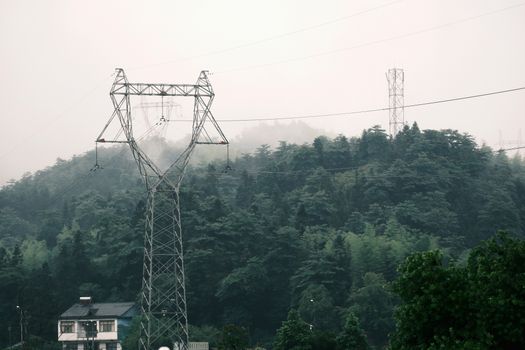
A misty forest landscape with a towering transmission tower and distant architecture, blending nature and industry. Photo: Yifan Lai / Pexels
For many consumers across the United States, the idea of choosing their electricity or natural gas provider seems foreign. We've grown accustomed to a single, monolithic utility company being our only option for energy. However, thanks to energy deregulation, a significant portion of the US population now has the power to switch energy supplier US. This fundamental shift in how energy is sold and delivered means that while your local utility company still owns and maintains the infrastructure (the power lines and pipes that bring energy to your home), you can often select a different company to generate or procure that energy. This separation of supply and delivery creates a competitive market where various energy suppliers vie for your business by offering different rates, plans, and incentives. Energy deregulation began in the 1990s as a way to introduce competition into the energy market, with the goal of lowering prices and improving service for consumers. States like Texas, Pennsylvania, New York, and many others have embraced this model, giving millions of households and businesses the freedom to choose. Before deregulation, utilities operated as monopolies, setting their own rates with little external pressure. With deregulation, the generation and sale of energy are opened up to multiple companies, fostering innovation and competition. This means you, as a consumer, are no longer beholden to the rates set by your default utility for the supply portion of your bill. Instead, you can shop around, compare offers, and select a plan that aligns with your financial goals and values, such as opting for renewable energy sources. Understanding this distinction is the first crucial step towards taking control of your energy costs. It's about recognizing that the company delivering your energy isn't necessarily the only company that can sell it to you. This knowledge empowers you to seek out better deals and potentially save a substantial amount of money on your monthly energy expenditures. The process is designed to be consumer-friendly, ensuring a smooth transition without interruption to your service. Your local utility continues to be responsible for infrastructure maintenance, emergency response, and billing, while your chosen supplier handles the pricing and sourcing of the energy itself. This dual-company model is standard in deregulated markets and ensures reliability while promoting competition. By grasping the concept of deregulation, you unlock a world of potential savings and choices previously unavailable.

The Benefits of Switching Your Energy Provider in the US

A white piggy bank with a €20 note inserted, symbolizing savings. Photo: El Jundi / Pexels
The advantages of exercising your right to switch energy supplier US extend far beyond simply finding a lower rate, although that is undoubtedly one of the most compelling reasons. In a competitive market, energy suppliers are constantly innovating to attract and retain customers, leading to a host of benefits for savvy consumers. The most immediate and tangible benefit is often cost savings. Different suppliers have different operating costs, purchasing strategies, and profit margins, which translate into varying rates. By comparing these rates, you can frequently find a plan that offers a significantly lower price per kilowatt-hour (kWh) for electricity or per therm for natural gas than your current default utility's supply rate. Over the course of a year, these savings can add up to hundreds of dollars, freeing up funds for other household expenses or savings goals. Beyond cost, switching offers greater flexibility and control. Many suppliers offer a variety of plan types to suit different needs. You might choose a fixed-rate plan, which locks in your energy price for the duration of your contract (e.g., 12, 24, or 36 months), providing predictability and protection against market price fluctuations. This is particularly appealing during periods of energy price volatility. Alternatively, some consumers prefer variable-rate plans, which can offer lower prices when market rates are low, though they carry the risk of higher prices if the market shifts. Additionally, many alternative suppliers are at the forefront of offering green energy plans. If environmental sustainability is important to you, you can actively choose a supplier that sources a significant percentage of its energy from renewable sources like solar, wind, or hydropower. This allows you to reduce your carbon footprint and support clean energy initiatives directly through your energy choice. Another significant benefit is improved customer service. In a competitive environment, suppliers are motivated to provide excellent service to distinguish themselves. This can mean more responsive support, clearer billing, and better online account management tools. While your local utility still handles outages and infrastructure, your chosen supplier is responsible for addressing questions related to your billing and plan details. The ability to switch encourages suppliers to compete not just on price, but also on the quality of their service offerings. Furthermore, some suppliers offer additional perks, such as smart home device bundles, rewards programs, or even energy audits to help you further reduce consumption. This dynamic marketplace empowers you to customize your energy experience, finding a provider that aligns not just with your budget, but also with your personal values and preferences. Ultimately, switching is about making an informed choice that puts you in the driver's seat of your energy consumption and costs, rather than passively accepting what's given.

Step-by-Step Guide to a Seamless Energy Supplier Transition

Businesswoman showing a receipt during a home office work session, highlighting technology integration. Photo: https://kaboompics.com/ / Pexels
Embarking on the journey to switch energy supplier US can seem daunting at first glance, but the process is surprisingly straightforward and designed to be seamless for the consumer. The key is to approach it systematically, ensuring you make an informed decision without any service interruptions. The very first step, as mentioned, is to confirm your eligibility. Not all states or even all areas within deregulated states allow consumers to choose their supplier. You can typically verify this by visiting your state's Public Utility Commission website or by checking comparison sites that specifically serve your zip code. Once confirmed, you'll need a recent copy of your electricity or natural gas bill. This bill contains crucial information, including your account number, service address, and most importantly, your current usage data (measured in kWh for electricity or therms for natural gas). Your historical usage is vital for accurately comparing plans, as it allows you to estimate what your monthly bill would be under different rate structures. With your bill in hand, proceed to comparison. Numerous online platforms specialize in aggregating energy plans from various suppliers in deregulated markets. These sites allow you to input your zip code and usage data, then present a side-by-side comparison of available plans. When comparing, pay close attention to several factors: the price per kWh/therm (often presented as an 'effective rate' that includes all supply charges), the contract term (e.g., 6, 12, 24 months), whether it's a fixed or variable rate, any early termination fees, and whether the plan includes renewable energy options. Don't be swayed solely by the lowest advertised rate; understand the terms and conditions thoroughly. A plan with a slightly higher rate but no early termination fee might be preferable if you anticipate moving or needing flexibility. Similarly, if you value environmental responsibility, prioritize plans with a high percentage of renewable energy credits. Once you've identified the best plan for your needs, signing up is the next step. This is typically done directly through the chosen supplier's website or over the phone. You'll provide your account information from your current utility bill, and the new supplier will handle all the necessary paperwork and coordination with your local utility. There's no need to contact your old supplier or local utility to inform them of the switch – your new provider manages the entire transfer process. This ensures a smooth transition without any interruption to your energy service. You won't experience any downtime or physical changes to your home's energy infrastructure. The only noticeable difference will be on your next bill, where your new supplier's rates will be reflected for the supply portion. The billing itself might remain consolidated (one bill from your local utility showing both delivery and supply charges from your new provider) or you might receive separate bills, depending on the state and utility. Always review your first few bills carefully to ensure the new rates are applied correctly. Remember, the goal is to secure a plan that offers both savings and peace of mind, making the transition an empowering move for your household budget and energy choices. Compare energy plans today and take control.

Common Pitfalls and Smart Strategies for Choosing an Energy Plan

High angle of crop faceless businesswoman in formal clothes sitting at table with tablet and hot coffee and looking through documents Photo: Sora Shimazaki / Pexels
While the process to switch energy supplier US is designed to be consumer-friendly, there are common pitfalls that can diminish the potential benefits if not navigated carefully. Avoiding these traps and employing smart strategies will ensure you truly maximize your savings and satisfaction. One of the most frequent mistakes is focusing solely on the advertised introductory rate without scrutinizing the contract terms. Many suppliers offer very attractive rates for the first few months, which then jump significantly after the promotional period. Always look for the 'effective rate' and understand what happens when your contract expires. If you don't actively renew or switch again, you might roll over into a much higher variable rate, negating any initial savings. Another pitfall is underestimating early termination fees. While some plans offer flexibility with no exit fees, others can charge a substantial penalty for breaking your contract before the term ends. Factor this into your decision, especially if there's a chance you might move or want to switch again within the contract period. Furthermore, be wary of variable-rate plans unless you have a specific reason for choosing one. While they can be cheaper when market prices are low, they expose you to price spikes, which can lead to unexpectedly high bills. Fixed-rate plans generally offer more predictability and budget stability. **Smart Strategies for Success:** * **Know Your Usage:** Use your past 12 months of energy bills to understand your average and peak consumption. This helps you evaluate if a plan's rate is truly competitive for *your* usage patterns. * **Read the Fine Print:** Always review the Terms of Service (TOS) carefully. Look for details on contract length, early termination fees, renewal procedures, and any hidden charges. * **Compare Apples to Apples:** When using comparison sites, ensure you're comparing similar plan types (e.g., fixed-rate to fixed-rate) and contract lengths. Pay attention to the total estimated monthly cost, not just the per-unit rate. * **Set Reminders for Renewal:** If you choose a fixed-rate plan, mark your calendar for 30-60 days before your contract expires. This gives you ample time to shop for a new plan or renegotiate with your current supplier, avoiding being rolled onto a higher default rate. * **Consider Green Energy:** If sustainability is a priority, actively seek out plans that offer 100% renewable energy. While they might be slightly more expensive, the difference is often marginal and supports a cleaner environment. * **Check Reviews:** Look up reviews of potential suppliers. While individual experiences vary, a pattern of poor customer service or billing issues should be a red flag. * **Understand Billing:** Clarify whether you'll receive one consolidated bill from your utility or separate bills from your utility and your new supplier. This helps manage your finances and expectations. By being diligent and informed, you can confidently navigate the deregulated energy market and consistently secure the best deals for your home or business.

Comparison

FeatureFixed-Rate PlanVariable-Rate PlanGreen Energy Plan
Price Stability✓ (Locked in)✗ (Fluctuates)✓ (Often Fixed)
Protection from SpikesHighLowHigh
Environmental ImpactNeutralNeutral✓ (Renewable Sources)
Potential for Lowest RateModerateHigh (during low market)Moderate to High
Budget PredictabilityExcellentPoorExcellent
Early Termination FeesCommonRareCommon

What Readers Say

"I was skeptical, but deciding to switch energy supplier US was one of my best financial moves this year. I saved about $45 on my first bill alone, and the process was incredibly easy online. No service interruption whatsoever."

Sarah J. · Houston, TX

"After years with the same utility, I finally compared rates. I found a great fixed-rate plan with a new supplier, and my monthly electricity bill dropped by over 20%. Highly recommend everyone check their options."

Mark D. · Philadelphia, PA

"I switched to a 100% renewable energy plan and was pleasantly surprised that my bill actually decreased by a few dollars. It feels good to support green energy without breaking the bank, all thanks to comparing suppliers."

Emily R. · Chicago, IL

"The initial switch was smooth, and I got a good rate. My only minor critique is that their customer service wait times can be a bit long, but overall, the savings make it worthwhile to switch energy supplier US."

David L. · Dallas, TX

"As a small business owner, every dollar counts. Switching my business's electricity supplier resulted in significant savings annually, which I can now reinvest. The process was just as simple for commercial accounts."

Jessica M. · New York, NY

Frequently Asked Questions

What does it mean to switch energy supplier US?

Switching energy supplier means choosing a different company to provide the electricity or natural gas you consume, instead of the default provider assigned by your local utility. In deregulated states, you can select from various suppliers offering different rates and plans, while your local utility still handles delivery and infrastructure maintenance.

Will my power go out if I switch energy suppliers?

No, your power will not go out, and there will be no interruption to your service. Your local utility company remains responsible for delivering the energy, maintaining the lines and pipes, and responding to outages, regardless of which supplier you choose for the energy itself. The switch is a seamless, administrative change.

How do I find out if I can switch energy suppliers in my area?

You can determine if you can switch energy suppliers by checking your state's Public Utility Commission (PUC) website, visiting online energy comparison marketplaces specific to your zip code, or reviewing a recent utility bill which often indicates if you are in a deregulated market.

Does switching energy suppliers really save money?

Yes, for many consumers in deregulated markets, switching energy suppliers can lead to significant savings. Competition among suppliers drives down prices, and by actively comparing plans and rates, you can often find a more affordable option than your default utility's supply rate, potentially saving hundreds of dollars annually.

Is a fixed-rate or variable-rate plan better when I switch energy supplier US?

A fixed-rate plan locks in your price per unit of energy for the contract duration, providing predictable bills and protection from market fluctuations. A variable-rate plan's price changes with the market, potentially offering lower rates when prices are down but exposing you to spikes. For most consumers seeking budget stability, a fixed-rate plan is generally recommended.

Who should consider switching their energy supplier?

Anyone living in a deregulated energy market in the US should consider switching their energy supplier. This includes homeowners, renters, and small businesses looking to save money on their utility bills, gain more control over their energy costs, or choose greener energy options.

What if my new supplier goes out of business after I switch?

If your chosen energy supplier goes out of business, your service will not be interrupted. Your local utility company is legally obligated to continue providing your energy supply, usually at a default rate, ensuring continuous service. You would then have the opportunity to choose a new supplier.

What are the future trends in energy switching?

Future trends in energy switching include increased adoption of smart home technology integration with energy plans, more personalized energy consumption data and insights, expansion of renewable energy options, and potentially broader deregulation to more states as consumer demand for choice and sustainability grows.

Ready to take control of your energy bills and make a smart financial move? Explore your options to switch energy supplier US today and unlock the savings and benefits that await you. Start comparing plans now – your wallet will thank you!

Topics: switch energy supplier UScompare electricity rateschoosing energy providerenergy deregulation USAlower utility bills
Leo List

IE Escorts NO Escorts US Escorts NZ Escorts AU Escorts
Brampton weed
Adultwork EstrelaBet Vai de Bet R7 Bet Betão Galera Bet Rainbet Bet9ja Shop SportyBet BetKing Sisal Loto Foot Hollywoodbets YesPlay Odibets RushBet Jugabet BetWarrior BetCity MSport betPawa Fortebet