Residential Solar Power Systems US: Go Green, Save Big
residential solar power systems US

Residential Solar Power Systems US: Go Green, Save Big

Transform your home with clean, renewable energy and enjoy significant financial and environmental advantages.

Start Your Solar Journey

Key Takeaways

  • ✓ The average US home can save thousands over a solar system's lifespan.
  • ✓ Federal and state incentives can cover a substantial portion of installation costs.
  • ✓ Solar panels typically increase a home's resale value by 3-4%.
  • ✓ Systems are designed to withstand diverse US weather conditions.
  • ✓ Most residential solar systems come with a 25-year performance warranty.

How It Works

1
Sunlight Absorption

Photovoltaic (PV) solar panels mounted on your roof capture sunlight. This sunlight consists of photons that excite electrons in the silicon cells of the panels, generating direct current (DC) electricity.

2
DC to AC Conversion

The DC electricity produced by the panels then flows to an inverter, which is typically located near your main electrical panel. The inverter converts this DC electricity into alternating current (AC) electricity, which is the type of power used by all household appliances.

3
Powering Your Home

The AC electricity from the inverter is fed into your home's electrical panel. From there, it powers your lights, appliances, and all other electrical devices. Any excess electricity generated that your home doesn't immediately use is sent to the utility grid.

4
Net Metering & Storage

When your system generates more power than you use, it's exported to the grid, and you receive credits through a program called net metering. If you have a battery storage system, excess power can be stored for use during nighttime or power outages, providing greater energy independence.

The Unrivaled Benefits of Residential Solar Power Systems in the US
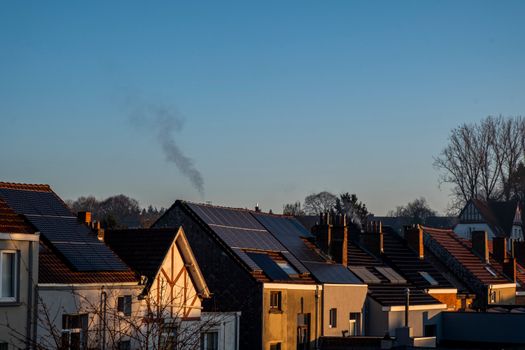
A row of houses displaying solar panels on their rooftops, reflecting sustainable energy practices. Photo: MARIANNE RIXHON / Pexels
Embracing residential solar power systems in the US isn't just a trend; it's a strategic investment in your future, offering a multitude of compelling advantages that extend far beyond simply reducing your carbon footprint. For homeowners across the United States, transitioning to solar energy means unlocking significant financial savings, bolstering energy independence, and contributing positively to the environment. The primary allure for many is the substantial reduction, or even elimination, of monthly electricity bills. Once your solar panels are installed and operational, you're harnessing free energy directly from the sun. This insulates you from fluctuating utility rates, which have historically shown an upward trend. Over the lifespan of a solar system, typically 25-30 years, these savings can amount to tens of thousands of dollars, making solar a truly compelling long-term financial decision. Beyond direct savings, solar panels significantly increase your home's value. Studies consistently show that homes equipped with solar panels sell faster and for a higher price than comparable non-solar homes. This added value is a tangible asset, providing a strong return on investment should you decide to sell your property in the future. The appeal lies in the promise of lower utility bills for the new owners, a highly desirable feature in today's housing market. Another critical benefit is enhanced energy independence and security. With your own power generation system, you become less reliant on the centralized utility grid, which can be vulnerable to outages caused by severe weather, infrastructure failures, or peak demand. A solar system, especially when paired with battery storage, can provide reliable power during blackouts, ensuring your essential appliances and lights remain operational. This peace of mind is invaluable, particularly in regions prone to unpredictable weather events. Furthermore, the environmental impact of residential solar power systems is profound. By generating clean electricity, you're directly reducing your household's reliance on fossil fuels, which are major contributors to greenhouse gas emissions and climate change. Each kilowatt-hour of solar energy produced means one less kilowatt-hour generated from coal, natural gas, or other non-renewable sources. This commitment to sustainability not only benefits the planet but also aligns with a growing desire among homeowners to live more responsibly and ethically. The US government and various state entities recognize these benefits, offering a suite of incentives designed to make solar adoption more accessible and affordable. These can include federal tax credits, state rebates, property tax exemptions, and net metering policies, all of which significantly offset the initial installation costs. Understanding these incentives is crucial for maximizing your financial return and making solar an even more attractive proposition. For a deeper dive into how these incentives work, consider exploring resources on renewable energy policy. The cumulative effect of these benefits — financial savings, increased home value, energy independence, and environmental stewardship — makes residential solar power systems an intelligent and impactful choice for US homeowners looking to secure a brighter, more sustainable future.

Understanding the Components and Types of Home Solar Installations
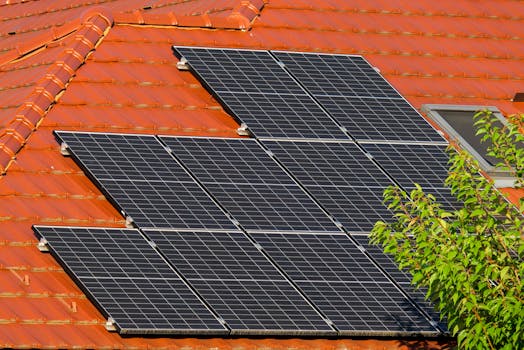
Close-up of solar panels on a red tiled roof in Croatia, highlighting renewable energy. Photo: Vladimir Srajber / Pexels
When considering residential solar power systems in the US, it's essential to understand the core components that make up a functional system, as well as the different types of installations available. This knowledge empowers homeowners to make informed decisions tailored to their specific energy needs and budget. At the heart of every solar system are the photovoltaic (PV) panels. These panels are typically made of silicon cells that convert sunlight directly into direct current (DC) electricity. Panels vary in efficiency, wattage, and physical size, with monocrystalline panels generally offering higher efficiency and a sleek black aesthetic, while polycrystalline panels are often more cost-effective. The choice of panel type can depend on roof space, budget, and desired aesthetic. The next crucial component is the inverter. Since solar panels produce DC power and household appliances use alternating current (AC) power, an inverter is necessary to convert the electricity. There are three main types of inverters: string inverters, microinverters, and power optimizers. String inverters are the most common and connect multiple panels in a 'string,' converting their combined DC output to AC. Microinverters are installed on each individual panel, converting DC to AC at the panel level, which can improve system performance by mitigating the impact of shading on individual panels. Power optimizers are a hybrid solution, installed on each panel to optimize DC output before sending it to a central string inverter, offering similar benefits to microinverters but with a central inverter. The best choice depends on factors like roof layout, potential shading, and budget. Beyond panels and inverters, racking and mounting systems are vital for securely attaching the panels to your roof. These systems are engineered to withstand local wind and snow loads and ensure optimal panel tilt and orientation for maximum sun exposure. Electrical wiring, disconnects, and a monitoring system complete the basic setup, allowing you to track your system's performance in real-time. When it comes to types of installations, the most prevalent is the grid-tied system. These systems are connected to the public utility grid, meaning your home draws power from the grid when your solar panels aren't producing enough electricity (e.g., at night or on heavily overcast days) and sends excess power back to the grid when production is high. Grid-tied systems benefit from net metering, where you receive credits for the electricity you feed into the grid. These are generally the most cost-effective and common for residential use. Off-grid systems are entirely independent of the utility grid. These systems require robust battery storage to store excess power for use during periods of low sunlight. They are typically more complex and expensive due to the need for larger battery banks and sometimes backup generators, but they offer complete energy independence, making them suitable for remote properties or those seeking self-sufficiency. Hybrid systems combine the benefits of both grid-tied and off-grid setups. They are connected to the grid but also include battery storage. This allows homeowners to store excess solar power for self-consumption during peak hours (when electricity rates are highest) or during grid outages, while still having the grid as a backup. Hybrid systems offer a balance of energy independence and grid reliability, often representing a premium solution for comprehensive energy management. The choice between these installation types depends heavily on your specific goals, local utility regulations, and initial investment capacity.

Navigating Costs, Incentives, and Financing for US Home Solar
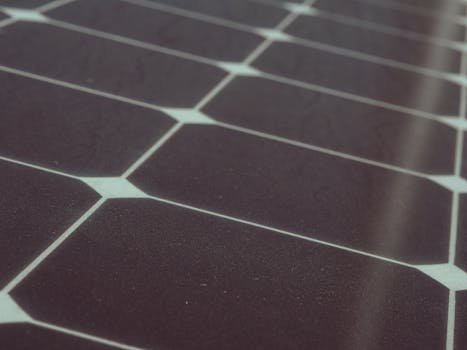
Detailed view of solar panel cells for alternative energy generation and innovation in technology. Photo: Kindel Media / Pexels
The initial investment in residential solar power systems in the US is a significant consideration for any homeowner, but understanding the various cost factors, coupled with the substantial incentives and flexible financing options available, reveals a much more accessible and financially rewarding picture. The average cost of a residential solar system in the US can range widely, typically from $15,000 to $30,000 before incentives, depending on the system size, panel efficiency, installer, and geographic location. This cost encompasses panels, inverters, racking, wiring, labor, permitting fees, and any necessary electrical upgrades. System size is determined by your household's average electricity consumption; a larger home with higher energy needs will require a larger, more powerful system, thus increasing the upfront cost. However, these upfront costs are significantly offset by a robust landscape of incentives. The most impactful is the federal solar tax credit, officially known as the Investment Tax Credit (ITC). This credit allows homeowners to deduct a substantial percentage of the cost of installing a solar energy system from their federal taxes. As of late 2023, the ITC stands at 30% for systems installed through 2032, making a considerable dent in the overall cost. For example, a $25,000 system would qualify for a $7,500 tax credit. This is a dollar-for-dollar reduction in your tax liability, not just a deduction from your taxable income, making it incredibly valuable. Beyond the federal ITC, many states, municipalities, and even local utilities offer their own incentives. These can include state tax credits, rebates (direct cash payments), property tax exemptions (meaning the added value of solar doesn't increase your property taxes), and sales tax exemptions. Net metering programs are another crucial financial incentive, allowing you to sell excess electricity generated by your panels back to the grid, often at the retail rate, effectively turning your meter backward and reducing your monthly utility bill. Researching the specific incentives available in your state and local area is a critical step in assessing the true cost and return on investment for your solar project. For further details on state-specific programs, consulting resources on state renewable energy policies is highly recommended. Financing options have also evolved to make solar more attainable. The most straightforward method is an outright cash purchase, which yields the highest return on investment over time as you own the system entirely and benefit from all incentives and savings. However, for those who prefer not to pay cash, solar loans are widely available from banks, credit unions, and specialized solar lenders. These loans function much like a home improvement loan, allowing you to pay for your system over time while still owning the asset and qualifying for incentives. Another popular option is a solar lease or Power Purchase Agreement (PPA). With a lease, you pay a fixed monthly fee to a solar company to use the panels installed on your roof, while the company owns and maintains the system. With a PPA, you pay for the electricity generated by the panels at a fixed per-kilowatt-hour rate, which is typically lower than your utility's rate. Both leases and PPAs often require no upfront cost, making solar accessible without a large initial investment, though you don't own the system or directly claim the federal tax credit. Each financing option has its pros and cons regarding ownership, long-term savings, and initial outlay, making it essential to evaluate which best aligns with your financial goals and risk tolerance. Understanding this financial landscape is key to unlocking the full potential of residential solar in the US.

Avoiding Common Pitfalls and Ensuring a Successful Solar Installation
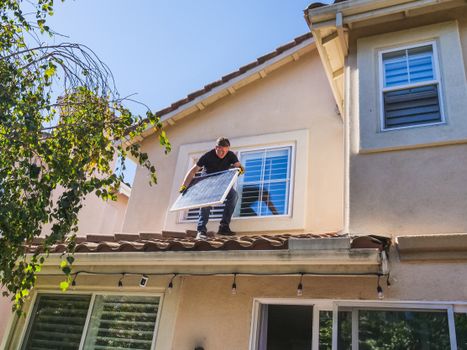
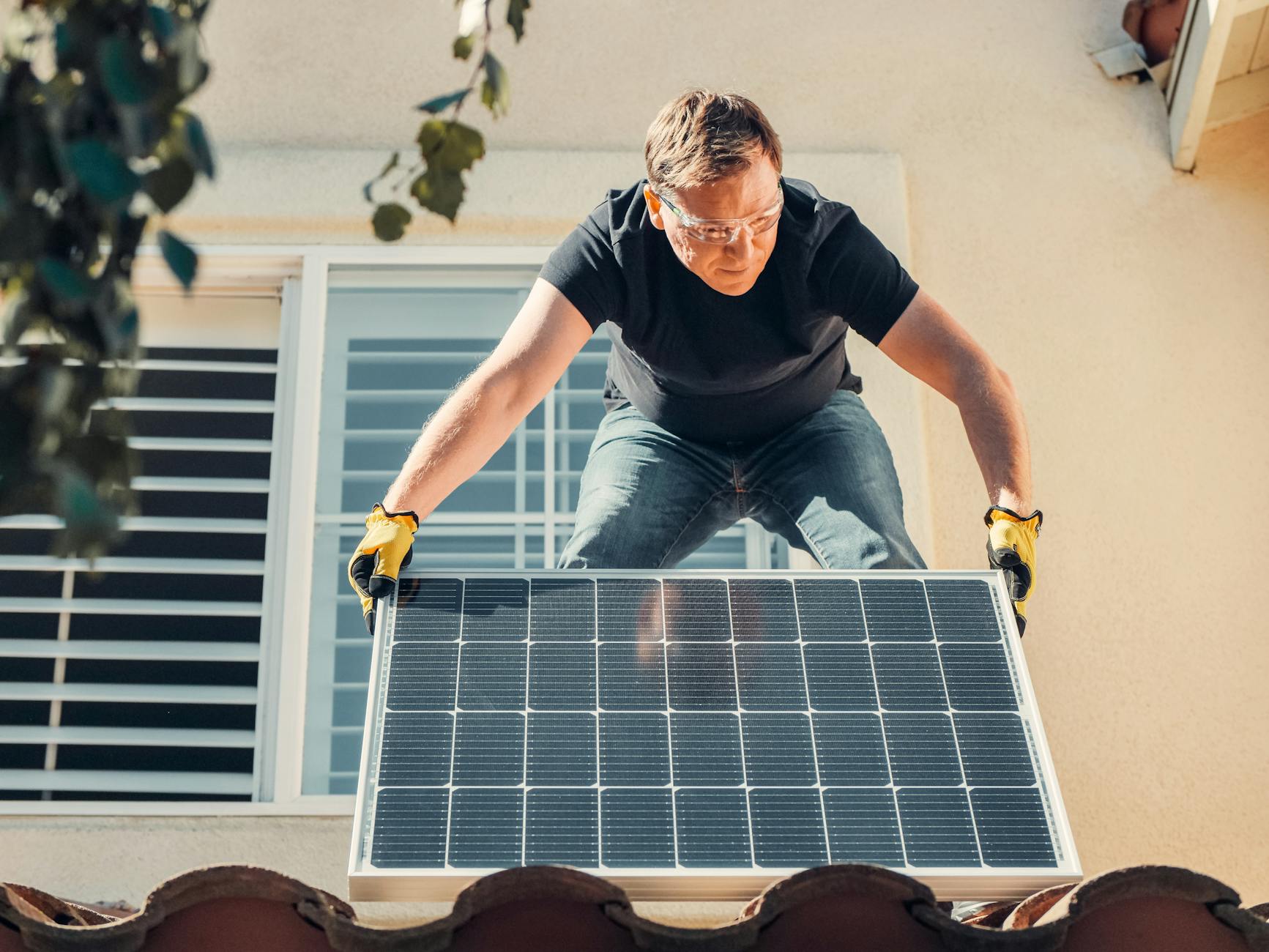
A solar technician installing panels on a house roof, emphasizing renewable energy. Photo: Kindel Media / Pexels
Embarking on a residential solar power system installation in the US can be a highly rewarding endeavor, but like any significant home improvement project, it comes with potential pitfalls that astute homeowners can easily avoid. Being aware of these common mistakes and taking proactive steps will ensure a smooth process and maximum long-term benefits from your solar investment. **1. Not Getting Multiple Quotes:** This is perhaps the most critical mistake. Relying on a single quote can lead to overpaying or missing out on better system designs or financing options. Always obtain at least three to five quotes from reputable, local solar installers. This allows you to compare pricing, equipment quality, warranties, and customer service. **2. Ignoring Roof Condition and Shading:** Your roof is the foundation of your solar system. If your roof is old or in poor condition, it's more cost-effective to replace it before installing solar panels. Additionally, significant shading from trees or neighboring buildings can drastically reduce panel efficiency. A good installer will conduct a thorough site assessment to identify and mitigate shading issues or recommend alternative panel placements. **3. Overlooking Installer Credentials and Warranties:** Do your due diligence on installers. Check their licenses, certifications (like NABCEP), insurance, and customer reviews. A strong warranty package — covering equipment, performance, and workmanship — is non-negotiable. Ensure you understand what each warranty covers and for how long. **4. Not Understanding Your Energy Consumption:** Before sizing a system, accurately assess your household's annual electricity usage. Review past utility bills (at least 12 months) to understand your consumption patterns. An undersized system won't meet your needs, while an oversized system can be unnecessarily expensive. **5. Focusing Solely on Price:** While cost is important, the cheapest option isn't always the best. A low bid might mean lower quality components, less experienced installers, or inadequate warranties. Balance cost with quality, efficiency, and the installer's reputation. **6. Neglecting Local Regulations and Permitting:** Solar installations require permits and must comply with local building codes. A reputable installer will handle all permitting, but it's wise to be aware of the process and ensure everything is properly filed to avoid delays or issues. **7. Not Understanding Financing Terms:** Whether it's a loan, lease, or PPA, meticulously read and understand the terms and conditions. Be clear on interest rates, repayment schedules, escalation clauses (in leases/PPAs), and who is responsible for maintenance and repairs. **8. Failing to Optimize Energy Efficiency First:** Before going solar, consider making your home more energy-efficient. Upgrading insulation, sealing air leaks, or replacing old appliances can reduce your overall energy demand, allowing you to install a smaller, less expensive solar system to meet your needs. By avoiding these common pitfalls, homeowners can confidently navigate the solar installation process, ensuring their residential solar power system in the US is a successful, cost-effective, and environmentally beneficial addition to their home.

Comparison

FeatureCash PurchaseSolar LoanSolar Lease/PPA
Upfront CostHighLow to ModerateTypically None
System OwnershipYou OwnYou OwnCompany Owns
Federal ITC Claim✗ (Company Claims)
Total Long-Term SavingsHighestHighModerate
Increased Home Value✗ (Limited)
Maintenance ResponsibilityYou (or warranty)You (or warranty)Company Handles
ComplexitiesPermitting, InstallationLoan ApplicationContract Terms

What Readers Say

"Getting residential solar power systems in the US was the best decision for our Austin home. Our electricity bills have plummeted, and we feel great contributing to a cleaner environment. The installation was seamless and the team was incredibly professional."

Sarah J. · Austin, TX

"I was initially hesitant about the cost, but the federal tax credit and state incentives made it incredibly affordable. Our Denver home now runs almost entirely on solar, and the energy independence is a huge relief, especially during peak summer months."

Mark D. · Denver, CO

"Our 3-bedroom home in San Diego saw an average monthly saving of $150 on electricity bills after going solar. The process was transparent, and the system has been flawlessly performing for over two years now, even increasing our home's value."

Emily R. · San Diego, CA

"The solar panels look great on our Boston home, and we're definitely seeing savings. The only minor hiccup was a slight delay in permitting, but our installer kept us informed throughout. Overall, a very positive experience with our residential solar power systems US."

David L. · Boston, MA

"Living in Phoenix, solar just makes sense. Our system handles the intense heat effortlessly, keeping our AC running without the sky-high bills we used to get. It's truly transformed our energy consumption and peace of mind."

Jessica M. · Phoenix, AZ

Frequently Asked Questions

What is the average lifespan of residential solar power systems in the US?

Most residential solar panel systems are designed to last between 25 and 30 years, often with performance warranties guaranteeing a certain percentage of original output even after two decades. While the panels themselves can last much longer, the inverters typically have a shorter lifespan, around 10-15 years, and may need to be replaced once during the system's lifetime.

Are residential solar power systems still worth it if I live in a cloudy area?

Yes, solar power systems can still be highly effective in cloudy areas. While direct sunlight is best, panels still generate electricity from diffused light. Modern solar technology is increasingly efficient, and many cloudy regions still receive enough annual sunlight to make solar a worthwhile investment, especially when coupled with strong local incentives and net metering policies.

How do I get started with installing residential solar power systems in the US?

To get started, first assess your energy needs by reviewing past utility bills. Next, research local solar installers and obtain multiple quotes to compare system designs, costs, and warranties. A reputable installer will then conduct a site assessment, handle permitting, install the system, and guide you through connecting to the grid and claiming incentives.

What is the typical return on investment for residential solar power systems in the US?

The return on investment (ROI) for residential solar power systems in the US varies significantly based on location, system size, energy consumption, and available incentives. However, many homeowners see a payback period of 6-10 years, after which their electricity is essentially free. Over the system's 25-30 year lifespan, the total savings can easily exceed the initial investment by two to three times, not including the added home value.

How do solar panels compare to other renewable energy options for homes?

For most US homes, solar panels are the most practical and cost-effective renewable energy option. While wind turbines or geothermal systems can be highly efficient, they often require specific geographic conditions or significant upfront investments that are not feasible for typical residential properties. Solar offers a scalable, adaptable solution with a proven track record and widespread availability.

Who benefits most from installing residential solar power systems US?

Homeowners who benefit most from residential solar power systems in the US are those with high electricity bills, roofs with good sun exposure, plans to stay in their home for several years, and access to strong federal and state incentives. Those looking to increase their home's value, gain energy independence, and reduce their carbon footprint also stand to benefit significantly.

What are the risks associated with residential solar panel installation?

The risks associated with residential solar panel installation are minimal when working with certified professionals. These can include minor roof leaks if not installed correctly (prevented by experienced installers), potential for reduced efficiency due to shading or poor maintenance, and the rare risk of electrical fires (mitigated by proper wiring and safety standards). Reputable installers carry insurance and offer strong warranties to cover these concerns.

What future trends can we expect for residential solar power systems US?

Future trends for residential solar power systems in the US include continued advancements in panel efficiency and aesthetics, making them more integrated into home design. We'll also see increased adoption of battery storage solutions for greater energy independence and resilience, smarter home energy management systems that optimize solar usage, and potentially more localized microgrids, further decentralizing energy production.

Ready to harness the power of the sun for your home? Explore the transformative benefits of residential solar power systems US and take the first step towards energy independence, significant savings, and a sustainable future. Connect with a trusted solar expert today to discover your customized solution.

Topics: residential solar power systems UShome solar installationsolar energy benefits UScost of solar panels USsolar incentives US
Leo List
Brampton weed
Adultwork EstrelaBet Vai de Bet R7 Bet Betão Galera Bet Rainbet Bet9ja Shop SportyBet BetKing Sisal Loto Foot Hollywoodbets YesPlay Odibets RushBet Jugabet BetWarrior BetCity MSport betPawa Fortebet